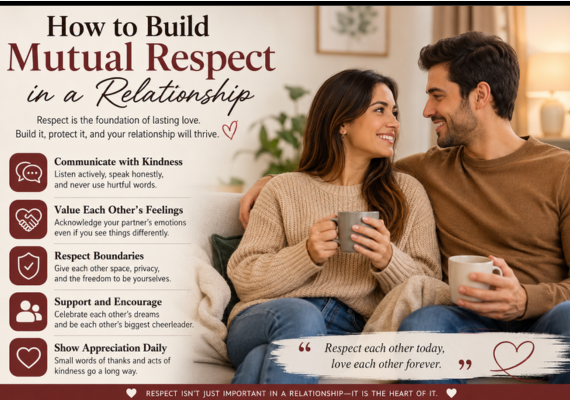
Understanding how to build mutual respect in a relationship is one of the most important foundations of emotional stability and long-term love. In my experience working with relationship dynamics, I have seen that attraction may start a relationship, but respect is what sustains it.
Mutual respect creates emotional safety between two partners. It allows both individuals to express themselves without fear of being judged, ignored, or emotionally dismissed. When respect is strong, communication becomes easier, conflicts become healthier, and emotional connection deepens naturally.
Without respect, even strong love begins to feel unstable. Small misunderstandings turn into repeated arguments, and emotional distance slowly grows. This is why learning how to build mutual respect in a relationship is essential for any couple who wants long-term success.
Why Mutual Respect Matters in a Relationship
Mutual respect is the emotional foundation that shapes how partners treat each other every day. It is not just about being polite; it is about valuing your partner’s feelings, opinions, and boundaries even during disagreements.
When respect is present, couples communicate more openly and resolve issues without unnecessary emotional damage. Both partners feel heard and valued, which strengthens trust and emotional security.
When respect is missing, relationships often fall into criticism, defensiveness, and emotional withdrawal. Over time, this weakens the bond and creates resentment. Even love becomes harder to feel when respect is absent.
This is why mutual respect is not optional. It is a core requirement for a healthy, lasting relationship.
Signs of Mutual Respect in a Healthy Relationship
Mutual respect is not something hidden; it shows clearly in everyday behavior.
One major sign is healthy communication during disagreements. Even when couples argue, they avoid insults, shouting, or emotional humiliation. Instead, they focus on solving the issue.
Another sign is emotional consideration. Partners think before speaking and avoid words that may cause emotional harm, even when they are upset.
Respect also appears in support for each other’s goals. In healthy relationships, both partners encourage personal growth instead of feeling threatened by it.
Acceptance of differences is another strong indicator. Respectful couples understand that they do not need to think alike to stay connected. Instead, they learn to work with their differences.
Common Causes of Disrespect in Relationships
Disrespect in relationships does not happen instantly. It develops gradually through repeated patterns and unresolved emotional issues.
Poor communication is one of the biggest causes. When partners stop expressing themselves clearly, misunderstandings replace healthy dialogue, leading to frustration.
Unresolved resentment is another major cause. Small emotional wounds that are ignored over time often turn into bitterness and emotional distance.
External stress such as financial pressure, work demands, or family issues can also increase irritability, making partners more reactive toward each other.
Weak or unclear boundaries are another hidden cause. When personal limits are not respected, one partner may begin to feel overwhelmed or emotionally neglected.
Understanding these causes is important when learning how to build mutual respect in a relationship because you cannot fix what you do not recognize.
How Communication Builds Mutual Respect Between Partners
Communication is one of the strongest tools for building mutual respect in a relationship. However, it is not about talking more; it is about communicating with clarity, calmness, and intention.
Active listening plays a major role. This means giving your partner full attention without interrupting or preparing your response while they are still speaking. It shows that their thoughts matter.
Another important practice is expressing feelings without blame. Instead of attacking your partner’s character, focus on how a situation makes you feel. For example, saying “I feel ignored when my thoughts are not acknowledged” is more respectful than blaming language.
Timing also matters in communication. Serious conversations should happen when both partners are calm and emotionally available, not during heated moments.
Setting Boundaries as a Foundation of Mutual Respect
Boundaries are essential for maintaining respect in any relationship. A boundary is simply a clear understanding of what behavior is acceptable and what is not.
Without boundaries, misunderstandings and emotional frustration become common. For example, repeated interruptions, lack of privacy, or dismissive behavior can slowly damage emotional connection.
Healthy boundaries are not about controlling your partner. Instead, they protect emotional well-being for both individuals in the relationship.
Boundaries may involve communication rules, personal space, emotional needs, or conflict behavior. What matters most is consistency and mutual agreement.
Trust as a Foundation of Mutual Respect
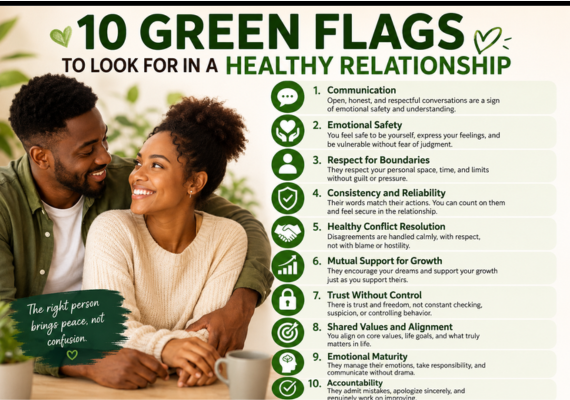
Trust and respect are deeply connected and often grow together. Without trust, respect weakens, and without respect, trust becomes fragile.
Trust is built through consistent actions over time. When a partner is reliable, honest, and emotionally steady, respect naturally strengthens.
However, broken promises or inconsistent behavior damage both trust and respect quickly.
Emotional honesty is also essential. When partners feel they are not being lied to or manipulated, they experience emotional safety. This safety creates a stronger foundation for mutual respect.
At this stage, it becomes clear that learning how to build mutual respect in a relationship is not about one big action. It is about daily habits, emotional awareness, and consistent behavior.
Practical Ways to Show Respect to Your Partner Daily
Building mutual respect in a relationship is not achieved through one-time conversations or emotional promises. It is created through small, consistent daily actions that show your partner they are valued, heard, and emotionally safe with you. In real relationships, I have observed that respect is either strengthened or weakened in the ordinary moments, not just during major events.
One of the simplest but most powerful ways to show respect is through attentiveness. This means giving your partner your full presence when they are speaking or sharing something important. Putting away distractions, making eye contact, and responding thoughtfully signals that they matter to you.
Appreciation is another daily habit that builds respect. Many couples underestimate how powerful simple acknowledgment can be. Saying things like “I appreciate how you handled that situation” or “thank you for being patient with me” reinforces emotional value in the relationship.
Respect also grows when you honor your partner’s time and commitments. Being punctual, keeping promises, and not making your partner feel like an afterthought all contribute to emotional stability and trust.
Even tone of voice matters. Speaking calmly, especially during stressful moments, prevents emotional escalation and shows maturity. Over time, these small behaviors shape how deeply partners respect each other.
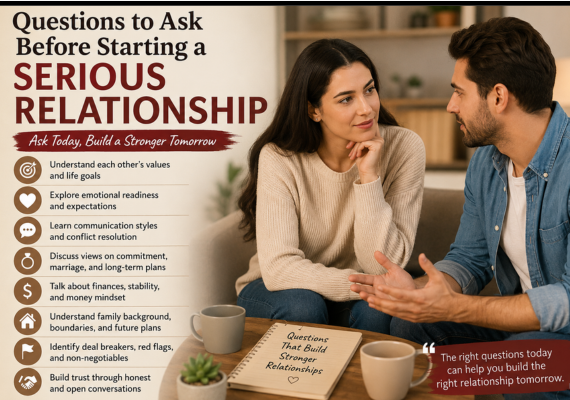
Read: Questions to Ask Before Starting a serious Relationship
How to Handle Conflicts Without Losing Respect
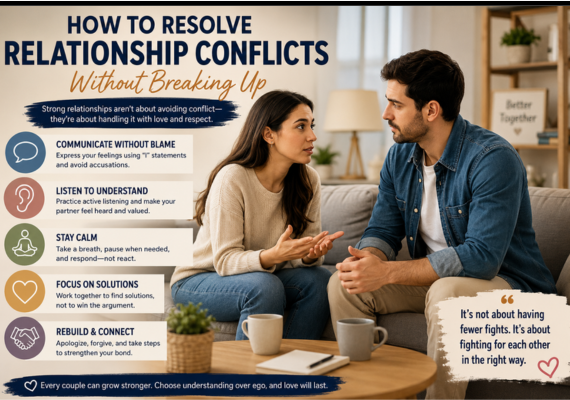
Conflict is unavoidable in any relationship, but disrespect during conflict is what damages long-term connection. Learning how to build mutual respect in a relationship requires learning how to disagree without harming emotional safety.
The first rule in healthy conflict is avoiding personal attacks. Focus on the issue, not your partner’s character. Once conversations shift into insults or blame, respect begins to break down quickly.
Another important approach is taking breaks when emotions are too intense. Continuing a heated argument often leads to words that cannot be taken back. A short pause allows both partners to regain emotional control and return with a clearer mindset.
It is also important to validate your partner’s feelings even when you disagree. Validation does not mean agreement; it simply means acknowledging their emotional experience. For example, saying “I understand why you feel that way” can reduce tension significantly.
Problem-solving should always be the goal of conflict, not winning. When both partners approach disagreements with a solution mindset, respect remains intact even in difficult conversations.
The Role of Emotional Intelligence in Building Mutual Respect
Emotional intelligence plays a major role in maintaining respect in relationships. It refers to the ability to understand your own emotions and respond to your partner’s emotions in a thoughtful way.
Self-awareness is the first step. When you understand your emotional triggers, you are less likely to react impulsively during disagreements. This prevents unnecessary disrespectful behavior.
Empathy is equally important. It allows you to see situations from your partner’s perspective, even when you feel hurt or frustrated. Empathy reduces judgment and increases emotional connection.
Self-control also plays a key role. In emotionally intelligent relationships, partners learn to pause before reacting. This prevents regretful words and actions that damage respect.
When emotional intelligence is present, conflicts become easier to manage, and mutual respect becomes more stable over time.
How Forgiveness and Patience Strengthen Respect Over Time
No relationship is free from mistakes. What determines the strength of a relationship is not perfection, but the ability to forgive and move forward without carrying emotional damage.
Forgiveness helps prevent resentment from building. When small issues are repeatedly held onto, they slowly erode respect. Letting go of minor emotional wounds allows the relationship to stay healthy.
Patience is equally important. People grow and change at different speeds, and expecting immediate transformation can create frustration. Patience allows space for growth without pressure or emotional punishment.
However, forgiveness does not mean ignoring repeated disrespect. Healthy forgiveness is paired with boundaries and communication. It is about healing, not tolerating harmful behavior.
Mistakes That Destroy Mutual Respect in Relationships
Certain behaviors can quickly weaken respect if they are not addressed early. One of the most damaging mistakes is constant criticism. When one partner feels they can never do anything right, emotional distance naturally develops.
Another major mistake is dismissing your partner’s feelings. Ignoring or minimizing emotional concerns sends the message that their feelings do not matter.
Public embarrassment is also highly damaging. Disrespecting your partner in front of others often creates long-lasting emotional wounds.
Keeping score in arguments is another unhealthy habit. When partners constantly bring up past mistakes, it becomes difficult to move forward or rebuild trust.
Avoiding these behaviors is essential if you truly want to understand how to build mutual respect in a relationship.
How to Rebuild Mutual Respect After It Has Been Broken
Rebuilding respect is possible, but it requires intentional effort from both partners. The first step is honest acknowledgment of what went wrong. Without honesty, healing cannot begin.
Next comes consistent behavioral change. Respect is rebuilt through actions, not words. Small daily improvements matter more than grand apologies.
Open communication is also necessary. Both partners must be willing to express how they feel without fear of judgment or retaliation.
Rebuilding respect takes time. Trust and emotional safety are restored gradually through consistency, patience, and emotional maturity.
Read: Questions to Ask Before Starting a serious Relationship
Conclusion
Understanding how to build mutual respect in a relationship is ultimately about consistency, emotional awareness, and intentional behavior. Respect is not built in one moment; it is built in thousands of small interactions over time.
When partners choose kindness during conflict, appreciation during routine life, and patience during emotional challenges, respect naturally grows stronger. A relationship built on mutual respect becomes more stable, more peaceful, and more emotionally fulfilling.
In the end, lasting love is not just about finding the right person. It is about continuously choosing to treat that person with dignity, care, and respect every single day.

Daniel Master is a relationship and marriage writer passionate about helping readers build healthier relationships, stronger marriages, and more meaningful connections. Through practical advice, thoughtful insights, and fresh perspectives on weddings and modern relationships, Daniel creates easy-to-understand content designed to help readers make confident decisions in love and life.