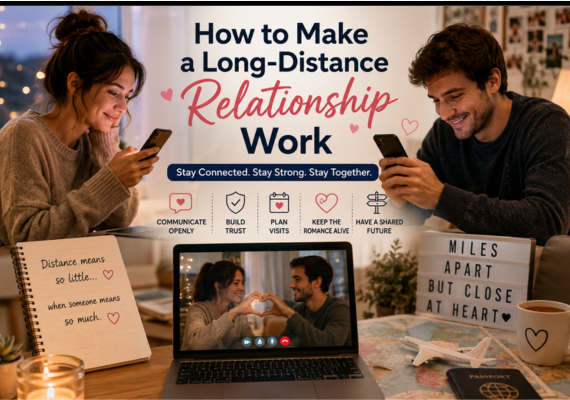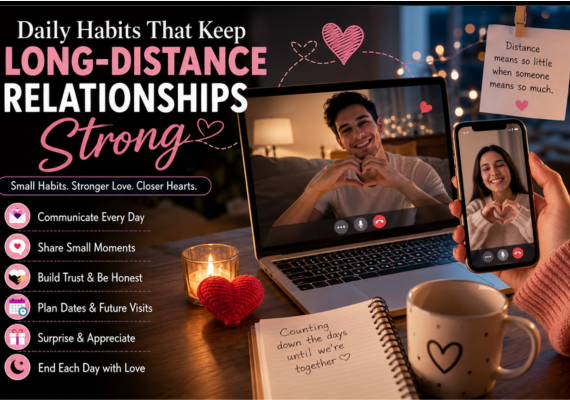

Long-distance relationships are not defined by physical separation alone, but by how well two people maintain emotional closeness despite the distance. In my experience working with couples and relationship dynamics, communication is the foundation that either strengthens or slowly weakens the bond over time. When partners are not physically together, words become the primary source of comfort, clarity, and emotional reassurance.
The keyword here is not just “talking often,” but communicating with intention. Many couples assume that frequent messages are enough, but I have seen relationships struggle because communication lacked depth, consistency, or emotional awareness. The truth is simple: distance does not break relationships—poor communication does.
This article focuses on practical, real-life communication strategies that long-distance couples can use to build trust, reduce misunderstandings, and maintain emotional intimacy even across time zones.
What Makes Long-Distance Communication Different From Regular Relationships
Communication in long-distance relationships carries more emotional weight than in in-person relationships. In a normal setting, tone, body language, and physical presence help fill in emotional gaps. But in long-distance relationships, couples rely heavily on text, voice, and video, which can sometimes lead to misinterpretation.
One of the biggest differences is emotional delay. In face-to-face relationships, reassurance is immediate. In long-distance relationships, responses may be delayed due to time zones, work schedules, or daily responsibilities. This delay can sometimes create anxiety if expectations are not properly managed.
Another key difference is that conversations often become intentional rather than spontaneous. There are fewer casual moments like sitting together in silence or sharing physical experiences. Because of this, couples must learn how to create meaningful conversations instead of relying on random daily updates.
Understanding this difference is the first step toward mastering the best communication tips for long-distance couples, because it helps set realistic expectations and reduces unnecessary emotional pressure.
Common Communication Challenges Long-Distance Couples Face
Even strong relationships face communication challenges when distance becomes a factor. One of the most common issues is misinterpretation of messages. A short reply can easily be misunderstood as disinterest, even when the partner is simply busy.
Another major challenge is inconsistent communication patterns. Some days may involve long conversations, while other days are filled with silence. Without clarity or agreement, this inconsistency can create emotional confusion or insecurity.
Time zone differences also play a significant role. When one partner is starting their day and the other is ending theirs, finding a perfect communication window becomes difficult. Over time, this can lead to reduced conversations or emotional disconnect if not managed carefully.
There is also the challenge of emotional dependency versus independence. Some partners may begin relying too heavily on constant communication for reassurance, while others may unintentionally withdraw due to busy schedules. Both extremes can create imbalance in the relationship.
Recognizing these challenges is important because it allows couples to approach communication with awareness rather than frustration.
Setting Clear Expectations for Communication Frequency and Style
One of the most overlooked but powerful communication strategies in long-distance relationships is setting clear expectations early. Many couples assume they are on the same page, but without explicit discussion, misunderstandings often develop.
For example, one partner may expect texting throughout the day, while the other prefers checking in once or twice daily. Without alignment, both partners may feel neglected or overwhelmed for the wrong reasons.
I always recommend couples openly discuss questions like:
- How often do we want to talk daily or weekly?
- Are we more comfortable with texting, voice notes, or video calls?
- What times of day work best for both of us?
- How do we handle busy days or communication gaps?
The goal is not to create strict rules but to build mutual understanding. When expectations are clear, communication becomes smoother and more emotionally secure. This is one of the strongest foundations for applying the best communication tips for long-distance couples effectively.
Building Emotional Connection Through Daily Conversations
Daily conversations in long-distance relationships should not feel like routine obligations. Instead, they should serve as emotional touchpoints that maintain intimacy and connection. The difference lies in depth.
Instead of only asking “How was your day?”, couples can explore more meaningful emotional engagement. For example:
- “What was the best part of your day and why?”
- “Did anything today make you feel stressed or proud?”
- “What’s something you wish I was there for today?”
These types of questions shift conversations from surface-level updates to emotional sharing. Over time, this creates a deeper sense of presence, even without physical proximity.
Another important aspect is consistency without pressure. Daily communication does not always need to be long or intense. Even short, thoughtful messages like “I thought about you today when I saw this” can strengthen emotional bonding significantly.
The goal is not quantity, but emotional quality. Couples who understand this tend to maintain stronger long-distance relationships over time.
Best Digital Tools and Apps for Long-Distance Communication
Technology plays a major role in modern long-distance relationships, but it should be used as a support system rather than a replacement for emotional effort. There are many tools that can help couples stay connected in meaningful ways.
Video calling apps like Zoom, WhatsApp, or FaceTime allow couples to recreate face-to-face interaction, which helps reduce emotional distance. Seeing facial expressions and hearing tone of voice can significantly improve understanding.
Messaging platforms also remain essential for daily communication, especially when schedules do not align. However, couples should avoid relying only on texting for serious conversations, as it can lead to misinterpretation.
Some couples also use shared apps like digital calendars or couple journals to stay aligned on important events, plans, or emotional check-ins. These tools help create a sense of shared life even when physically apart.
The key is to use technology intentionally. It should enhance communication, not replace emotional effort or meaningful conversation.
How to Maintain Trust Through Honest and Transparent Communication
Trust is the emotional backbone of any long-distance relationship, and communication is the tool that sustains it. Without honesty, even frequent communication loses its value.
One of the most important habits is being transparent about daily life. This does not mean constant reporting, but rather openness about important events, feelings, and changes in routine.
Avoiding hidden emotions is also crucial. When something feels wrong, expressing it early prevents misunderstandings from growing into bigger issues. Silence often creates more damage than the truth.
Trust also grows when partners follow through on their communication promises. If you agree to talk at a certain time, consistency builds reliability. Over time, this creates emotional safety, which is essential in long-distance relationships.
When honesty becomes a habit, communication becomes a bridge of trust rather than a source of doubt.
Active Listening Skills Every Long-Distance Couple Should Practice
Active listening is one of the most underestimated communication skills in long-distance relationships. Many couples think communication is about speaking clearly, but in reality, it is equally about how well each partner listens and responds.
In long-distance relationships, active listening means paying attention not just to words, but to emotions behind those words. When a partner says, “I’m fine,” but their tone suggests otherwise, it takes emotional awareness to recognize that something deeper may be going on.
One practical approach is to respond with reflection instead of reaction. For example, instead of immediately offering advice, a partner can say, “It sounds like today was overwhelming for you.” This creates emotional validation, which strengthens trust and connection.
Active listening also involves avoiding distractions during conversations. Multitasking during calls or rushing replies during chats can make the other partner feel unimportant. Even small moments of full attention can significantly improve emotional closeness.
When couples practice active listening consistently, misunderstandings reduce naturally, and emotional connection becomes stronger even across distance.
How to Handle Misunderstandings and Conflicts From a Distance
Misunderstandings are inevitable in long-distance relationships, but how they are handled determines the strength of the relationship. Without physical presence, tone and intention can easily be misread, leading to unnecessary conflict.
The first rule I always emphasize is to avoid reacting immediately when emotions are high. A delayed, thoughtful response is often more effective than an emotional one sent in the heat of the moment.
Clarification should always come before assumption. Instead of thinking “They ignored me,” it is healthier to ask, “Is everything okay? I felt a little distance today.” This opens space for honest explanation rather than defensive reactions.
It is also important to address issues directly instead of letting them accumulate. In long-distance relationships, unresolved tension tends to grow faster because there are fewer physical moments of reassurance.
After a disagreement, rebuilding emotional safety is essential. A simple message like “I value us and I want to understand you better” can shift the tone from conflict to connection.
Healthy conflict resolution is not about avoiding disagreements but learning how to resolve them with emotional maturity and respect.
Read: How to Make a Long-Distance Relationship Work: 15 Proven Ways
Creating Meaningful Conversations Beyond “How Was Your Day”
One of the biggest communication mistakes long-distance couples make is falling into repetitive conversations. While daily check-ins are important, they should not become emotionally shallow.
To build deeper connection, conversations should include curiosity, imagination, and emotional sharing. Instead of asking only about routine activities, couples can explore thoughts, memories, and future plans.
For example:
- “What’s something you learned about yourself recently?”
- “If we were together right now, what would we be doing?”
- “What’s a dream you haven’t told many people about?”
These types of questions create emotional depth and keep the relationship intellectually and emotionally engaging.
Sharing personal reflections also helps. Talking about fears, ambitions, or meaningful life experiences builds a stronger emotional bond than surface-level updates ever can.
When communication becomes intentional and meaningful, distance feels significantly smaller.
Balancing Communication Without Feeling Overwhelmed or Clingy
One of the most delicate parts of long-distance relationships is finding balance. Too little communication can create emotional distance, while too much can lead to pressure or burnout.
Healthy communication respects individuality. Each partner still has personal responsibilities, social life, and personal space. Recognizing this prevents unrealistic expectations.
Instead of constant messaging, couples should focus on quality communication moments. A meaningful 20-minute conversation can be more valuable than hours of distracted chatting.
It also helps to create emotional independence. This means learning to feel secure even when the partner is not immediately available. Trust plays a major role here, as does having personal goals and routines outside the relationship.
When communication feels natural instead of forced, both partners are more likely to stay emotionally engaged without feeling overwhelmed.
Using Video Calls and Voice Notes to Strengthen Emotional Bond
Text messages are convenient, but they often lack emotional depth. That is why video calls and voice notes are powerful tools in long-distance communication.
Video calls help restore visual connection. Seeing facial expressions, gestures, and reactions brings a sense of closeness that texting cannot provide. Even short video calls can significantly reduce emotional distance.
Voice notes are equally powerful because they carry tone and emotion. Hearing a partner’s voice can provide comfort and reassurance in ways written words cannot.
However, these tools should not feel like obligations. The goal is to enhance emotional connection, not create pressure. Even occasional voice notes like “I just wanted to hear your voice today” can have a strong emotional impact.
Using these tools intentionally helps couples maintain intimacy and reduce emotional misinterpretation.
Keeping Romance Alive Through Words and Digital Gestures
Romance does not disappear in long-distance relationships—it simply needs to be expressed differently. Words become the primary tool for emotional and romantic expression.
Small romantic messages can make a big difference. Compliments, appreciation, and thoughtful expressions of love help maintain emotional warmth. Even simple statements like “I’m proud of you” or “I miss your presence today” carry emotional weight.
Digital gestures also play a role. Sending surprise messages, sharing photos from daily life, or planning virtual dates can help maintain excitement in the relationship.
Some couples also create shared traditions, such as watching a movie together online or sending good morning and good night messages consistently. These habits build emotional rhythm and stability.
Romance in long-distance relationships thrives on consistency, creativity, and emotional sincerity.
Signs Your Communication Pattern Is Healthy or Needs Improvement
Understanding whether communication is working well is essential for long-term relationship success. Healthy communication usually feels calm, supportive, and emotionally safe for both partners.
Some positive signs include:
- Conversations feel natural and not forced
- Both partners feel heard and understood
- Misunderstandings are resolved without long tension
- Communication brings comfort, not anxiety
On the other hand, warning signs may include:
- Frequent misunderstandings or emotional tension
- One-sided effort in communication
- Fear of expressing feelings honestly
- Conversations feeling repetitive or emotionally empty
When these signs appear, it is important to reassess expectations and improve communication habits early before emotional distance grows.
Conclusion
Long-distance relationships are not defined by the miles between two people, but by the strength of their communication. When couples learn how to express themselves clearly, listen actively, and maintain emotional honesty, distance becomes manageable rather than destructive.
The best communication tips for long-distance couples are not complicated theories—they are consistent habits built on trust, empathy, and emotional awareness. With the right communication approach, long-distance relationships can remain deeply connected, stable, and emotionally fulfilling.

Daniel Master is a relationship and marriage writer passionate about helping readers build healthier relationships, stronger marriages, and more meaningful connections. Through practical advice, thoughtful insights, and fresh perspectives on weddings and modern relationships, Daniel creates easy-to-understand content designed to help readers make confident decisions in love and life.