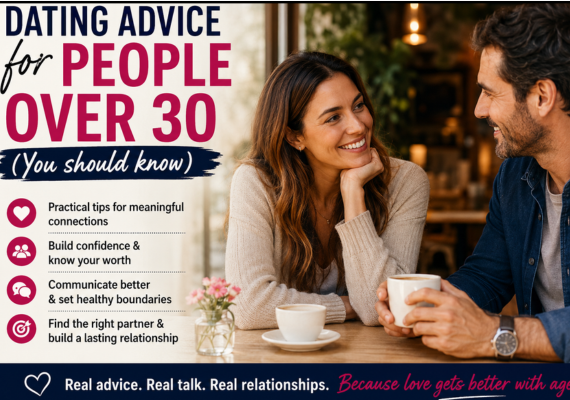
Dating after 30 is not the same experience it was in the early 20s, and that shift is something I’ve seen consistently across modern relationships. At this stage, most people are no longer dating just for fun or curiosity; they are dating with intention. There is usually a clearer awareness of personal values, emotional needs, and long-term goals, which changes how people approach new connections.
Another major difference is time. People over 30 often have established careers, responsibilities, and routines. This naturally reduces the amount of time available for casual dating, which means every interaction tends to feel more significant. Instead of experimenting widely, many individuals begin to prioritize quality over quantity when meeting potential partners.
Emotionally, dating in this stage of life also carries more weight. Past experiences, whether positive or painful, tend to shape expectations. This can be both an advantage and a challenge. On one hand, emotional maturity helps people recognize compatibility faster. On the other hand, past disappointments can create hesitation or guarded behavior in new relationships.
Common Challenges People Over 30 Face in Dating
One of the most common challenges I observe is the shrinking dating pool. As people settle into long-term relationships, marriage, or different life paths, the number of available singles naturally decreases. This can make dating feel more competitive or limited, even though meaningful connections are still very possible.
Another challenge is emotional baggage. By 30 and beyond, most individuals have experienced at least one serious relationship. While these experiences provide valuable lessons, they can also lead to trust issues, fear of repetition, or unrealistic comparisons between past and present partners. These internal barriers often influence dating decisions more than people realize.
There is also the issue of lifestyle compatibility. At this stage, careers, family expectations, and personal goals are more defined. This means that mismatches in lifestyle or long-term vision become more noticeable earlier in the dating process. While this can help avoid wasted time, it also requires clearer communication from the beginning.
Lastly, dating fatigue is very real. Many people over 30 feel exhausted by repetitive conversations, online dating apps, or lack of meaningful progress. This emotional fatigue can reduce motivation, even when the desire for a healthy relationship is still present.
How to Build Confidence When Re-entering the Dating Scene
Confidence in dating after 30 does not come from pretending to be perfect; it comes from self-acceptance and clarity. I always emphasize that confidence begins with understanding your own value outside of relationships. Your career, personal growth, emotional maturity, and life experiences all contribute to what you bring into a relationship.
It is also important to release the pressure of “catching up.” Many people feel like they are behind because they are single at 30 or older, but that mindset creates unnecessary stress. In reality, relationships are not a race. Building confidence means focusing on the present and approaching dating as a new opportunity rather than a correction of the past.
Practical steps also matter. Improving self-presentation, maintaining good health, and engaging in social activities naturally boost confidence. But more importantly, practicing self-respect in dating situations—such as setting boundaries and communicating clearly—reinforces internal confidence over time.
Confidence also grows when expectations are realistic. Not every date will lead to a relationship, and that is completely normal. Viewing each interaction as a learning experience reduces pressure and allows authenticity to come through naturally.
Clear Intent Matters: Knowing What You Want
One of the strongest advantages of dating over 30 is clarity of intent. At this stage, guessing games become less attractive and more exhausting. I always advise being honest with yourself first: what kind of relationship are you actually looking for? Whether it is marriage, long-term commitment, or a serious partnership, clarity shapes better decisions.
When your intent is clear, your dating choices become more aligned. You naturally avoid situations that do not match your goals, which saves time and emotional energy. This also helps you communicate expectations early, reducing misunderstandings later in the relationship.
However, clarity does not mean rigidity. It is important to remain open-minded about how a relationship develops, even if it doesn’t start exactly as planned. Some of the strongest relationships begin in unexpected ways, but they still succeed because both people were honest about their direction in life.
Intent also influences emotional investment. When you know what you want, you are less likely to tolerate inconsistent behavior or unclear communication. This helps protect your emotional well-being while increasing your chances of finding a compatible partner.
Where to Meet Compatible Partners in Your 30s and Beyond
Meeting new people after 30 often requires more intentional effort compared to earlier years. Social circles may feel smaller, so expanding opportunities becomes important. One of the most effective ways is through interest-based environments. This includes workshops, fitness classes, networking events, and hobby groups where people naturally connect over shared interests.
Online dating also remains a practical option, but it requires a more strategic approach. Instead of swiping aimlessly, focusing on platforms that encourage detailed profiles and meaningful conversations tends to yield better results. The key is to treat online dating as a tool, not the entire strategy.
Professional environments and social networking events can also be valuable, especially when approached respectfully and appropriately. Many people over 30 meet potential partners through mutual friends, industry gatherings, or community events where trust and familiarity already exist.
The most important factor is consistency. Meeting compatible partners is not about one perfect place; it is about regularly placing yourself in environments where meaningful connections can happen naturally over time.
Red Flags to Watch Out for When Dating Over 30
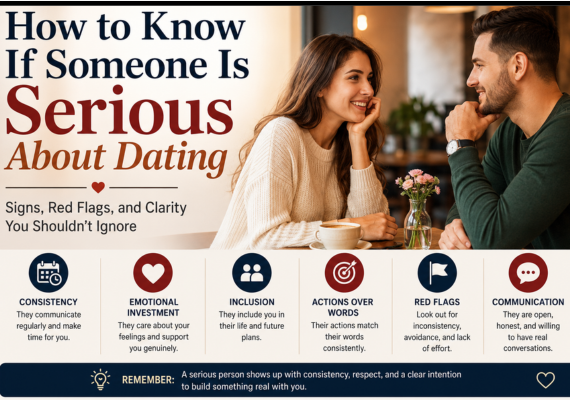
At this stage of dating, recognizing red flags early becomes extremely important. One of the clearest warning signs is inconsistent communication. If someone frequently disappears, avoids clarity, or sends mixed signals, it often indicates emotional unavailability or lack of interest.
Another red flag is unresolved emotional baggage that heavily affects current behavior. While everyone has a past, repeated comparisons to ex-partners or ongoing emotional instability can make building a healthy relationship difficult.
Lack of direction in life is also something to pay attention to. By 30 and beyond, most people have some sense of their personal and professional goals. If someone shows no clarity or avoids discussing the future entirely, it may signal incompatibility in long-term expectations.
Finally, I always advise being cautious of relationships that feel overly rushed or unbalanced. Healthy connections develop steadily, with mutual effort and emotional consistency. If something feels forced or one-sided, it is worth reassessing early rather than later.
Communication Skills That Improve Dating Success After 30
Strong communication becomes one of the most important foundations in dating after 30. At this stage, surface-level conversations are no longer enough to build meaningful attraction. What truly matters is the ability to express thoughts clearly, listen actively, and respond with emotional awareness.
One key skill is honesty without aggression. Saying what you feel does not mean being harsh or blunt in a way that pushes people away. Instead, it is about expressing needs respectfully. For example, instead of saying “you never make time,” a more effective approach is, “I feel more connected when we spend consistent time together.” This kind of communication reduces defensiveness and builds understanding.
Another important aspect is active listening. Many dating issues come from people waiting for their turn to speak instead of truly understanding their partner. At 30 and above, emotional depth matters more, so paying attention to tone, meaning, and unspoken feelings can significantly improve connection quality.
Consistency in communication also builds trust. Mixed signals often create confusion and emotional distance. Clear and steady communication helps both individuals feel secure and valued, which is essential for long-term compatibility.
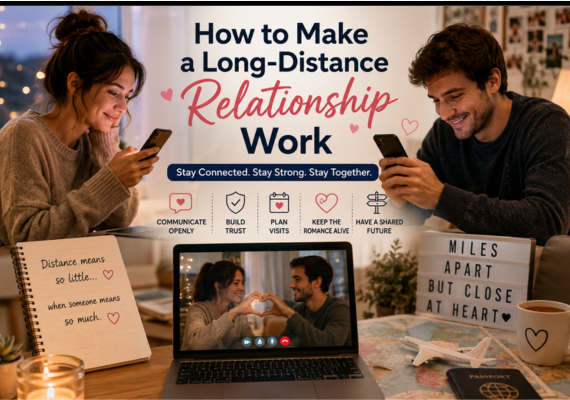
Read: Best Communication Tips for Long-Distance Couples: Stay Connected From Anywhere
Balancing Career, Life Goals, and Romantic Relationships
One of the biggest realities of dating over 30 is the need to balance multiple responsibilities. Careers are often more established, financial goals become more defined, and personal ambitions take priority. This can make dating feel like an additional task, but with the right mindset, it can integrate smoothly into life.
Time management becomes essential. Instead of trying to fit dating into leftover time, it helps to intentionally create space for it. Even simple planning, such as setting aside evenings or weekends for social interaction, can make a big difference in consistency and relationship progress.
It is also important to avoid treating relationships as distractions from personal goals. A healthy relationship should support your growth, not compete with it. When both partners respect each other’s ambitions, it becomes easier to maintain balance without resentment or pressure.
At this stage, compatibility in lifestyle becomes just as important as emotional attraction. Two people do not need identical careers or routines, but they do need mutual understanding of priorities and long-term direction.
How Past Relationships Shape Your Dating Decisions
By the time someone reaches 30, past relationships inevitably influence how they approach new ones. These experiences can be valuable teachers, but they can also create emotional patterns that need awareness.
Positive lessons often include better understanding of communication, boundaries, and emotional needs. However, negative experiences may lead to hesitation, fear of vulnerability, or overly strict expectations. These emotional responses are natural, but they should not control future decisions.
One common issue is comparison. It is easy to compare new partners with past relationships, especially if the previous connection was intense. However, this often prevents people from fully experiencing something new and different. Every relationship has its own dynamics, and fairness requires giving new connections their own space to grow.
Self-awareness is the key here. Recognizing emotional triggers and understanding where they come from helps prevent repeating old patterns. When past experiences are acknowledged but not allowed to dominate present choices, dating becomes healthier and more intentional.
Practical Dating Tips for Busy Adults Over 30
For busy adults, dating needs to be efficient without losing authenticity. One of the most effective approaches is quality-focused dating. Instead of going on frequent casual dates, focusing on fewer but more meaningful interactions helps conserve time and emotional energy.
Being intentional with communication also saves time. Clear messaging about availability, expectations, and interests prevents misunderstandings early in the process. This helps both individuals quickly determine compatibility.
Another practical tip is integrating dating into your lifestyle instead of treating it as a separate activity. This could mean attending social events, joining community groups, or engaging in hobbies where meeting people feels natural rather than forced.
It is also helpful to stay consistent without becoming obsessive. Regular effort matters more than intensity. Even small, steady actions over time lead to better results than irregular bursts of effort.
Emotional Maturity and What It Means in Modern Dating
Emotional maturity is one of the strongest predictors of relationship success after 30. It refers to the ability to manage emotions, handle conflict calmly, and understand both your own needs and your partner’s perspective.
A mature approach to dating includes taking responsibility for your actions instead of blaming others. It also means recognizing when a relationship is not working without unnecessary drama or emotional escalation. This creates healthier transitions and reduces emotional damage.
Another important aspect is patience. Emotional maturity allows people to build relationships gradually rather than rushing into commitments based on excitement alone. Stability develops over time, not overnight.
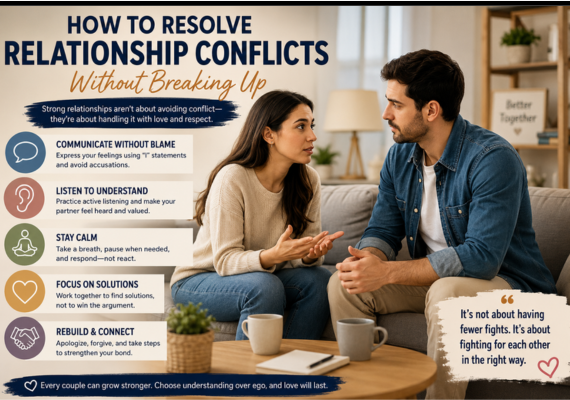
It also involves emotional regulation during conflict. Disagreements are normal, but reacting impulsively often causes long-term damage. Mature individuals focus on resolution instead of winning arguments.
How to Avoid Common Dating Mistakes After 30
One of the most common mistakes is rushing into commitment too quickly due to pressure or fear of being single. While urgency can feel strong, it often leads to mismatched relationships that do not last.
Another mistake is ignoring red flags in the hope that things will improve later. At this stage of life, patterns are usually more stable, so consistent behavior matters more than potential.
Overthinking is also a major challenge. Many people analyze every message, delay decisions, or create unnecessary doubt. While awareness is important, excessive analysis often blocks natural connection flow.
Lastly, some people stop putting effort into dating altogether due to past disappointments. This creates emotional stagnation and limits new opportunities. Consistency, even in small steps, is essential for progress.
Building Healthy Expectations in Long-Term Relationships
Healthy expectations are grounded in reality, not idealism. After 30, it becomes more important to understand that no partner is perfect, and every relationship requires effort from both sides.
One key expectation is mutual respect. Without respect, no relationship can grow sustainably. This includes respect for time, emotions, boundaries, and personal goals.
Another important expectation is emotional consistency. While no one is perfect every day, overall stability in behavior builds trust and security. Inconsistent emotional patterns often lead to confusion and instability.
It is also important to expect growth. A healthy relationship should evolve over time, with both individuals improving together rather than staying stagnant.
Finally, clarity in commitment expectations prevents misunderstandings. Both partners should understand where the relationship is heading and whether their long-term visions align.
Conclusion
Dating after 30 is not about limitations; it is about refinement. At this stage, people have more experience, stronger values, and clearer intentions. While challenges exist, they are balanced by deeper emotional awareness and better decision-making skills.
The key is to approach dating with patience, clarity, and emotional intelligence. When those elements are present, building meaningful and lasting relationships becomes not only possible but far more intentional and fulfilling than earlier stages of life.

Daniel Master is a relationship and marriage writer passionate about helping readers build healthier relationships, stronger marriages, and more meaningful connections. Through practical advice, thoughtful insights, and fresh perspectives on weddings and modern relationships, Daniel creates easy-to-understand content designed to help readers make confident decisions in love and life.