Long-distance relationships are often viewed as one of the biggest challenges a couple can face. Being separated by cities, states, or even countries can create emotional distance if both partners are not intentional about maintaining their connection. Yet, distance alone does not determine whether a relationship succeeds or fails. What truly matters is how both people choose to communicate, build trust, and invest in each other despite the miles between them.
I have seen many couples thrive in long-distance relationships because they understood that love requires consistent effort, not constant physical presence. While being apart can feel lonely at times, it can also strengthen emotional intimacy, improve communication skills, and build a deeper appreciation for one another.
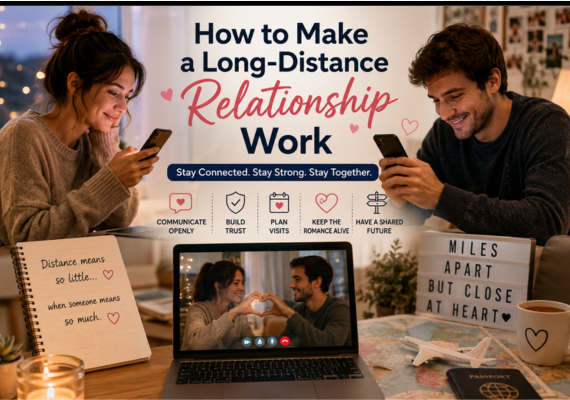
If you’re searching for how to make a long-distance relationship work, you’re likely looking for practical advice that goes beyond generic tips like “text more often.” The truth is that lasting long-distance relationships are built on intentional habits that create security, excitement, and emotional closeness.
In this guide, I’ll share proven strategies that can help you maintain a healthy relationship, overcome common obstacles, and prepare for a stronger future together.
What Makes a Long-Distance Relationship Different?
Every relationship has challenges, but long-distance relationships come with unique circumstances that couples living together rarely experience. Physical separation changes how affection is expressed, how conflicts are resolved, and how daily life is shared.
Instead of spending weekends together or enjoying spontaneous date nights, couples must rely on phone calls, video chats, voice notes, and thoughtful messages to stay connected. While technology has made communication easier than ever, it cannot completely replace face-to-face interaction.
Distance also creates uncertainty. Questions like “When will we see each other again?” or “Can this relationship survive another year apart?” often become part of everyday thinking. Without proper communication, these uncertainties can lead to anxiety, jealousy, or misunderstandings.
However, long-distance relationships also offer surprising advantages. Because couples cannot rely solely on physical presence, they often learn to communicate more openly about their feelings, expectations, and future plans. These conversations can create a stronger emotional foundation than many traditional relationships.
For example, imagine two couples. One spends every day together but rarely discusses long-term goals. Another lives hundreds of miles apart but schedules weekly conversations about their future, finances, career plans, and personal growth. Although separated by distance, the second couple may actually develop a deeper emotional connection because they prioritize meaningful communication.
Understanding these differences is the first step toward building a relationship that remains strong regardless of location.
Why Long-Distance Relationships Can Succeed
Many people believe long-distance relationships are destined to fail. While they certainly require more effort, research and countless real-life success stories prove that distance itself is not the biggest obstacle.
Successful couples usually share several important characteristics.
First, they trust each other. Trust eliminates the need for constant reassurance and allows both partners to enjoy their independent lives without unnecessary suspicion. Instead of worrying about every unanswered message, they give each other the benefit of the doubt.
Second, they communicate intentionally. They don’t simply exchange “Good morning” and “Good night” texts every day. They discuss dreams, fears, achievements, challenges, and future plans. Their conversations strengthen emotional intimacy rather than becoming repetitive.
Third, they understand that temporary distance serves a larger purpose. Perhaps one partner is finishing school, pursuing a career opportunity, serving in the military, or supporting family responsibilities. Having a shared reason for the distance makes the sacrifice easier to accept.
Another important factor is commitment. Long-distance couples who genuinely see each other as part of their future are usually more willing to overcome temporary hardships. Instead of focusing only on today’s loneliness, they remain motivated by the life they hope to build together.
Success also depends on emotional maturity. Couples who respect personal boundaries, manage conflict calmly, and encourage each other’s growth often experience healthier relationships regardless of physical distance.
15 Proven Ways to Make a Long-Distance Relationship Work
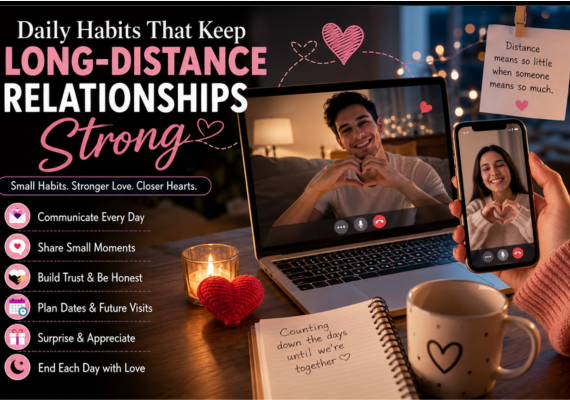
Communicate Consistently Without Overdoing It
Healthy communication is the foundation of every successful long-distance relationship. However, communicating constantly is not the same as communicating effectively.
Many couples mistakenly believe they must text every minute of the day to prove their love. In reality, excessive communication can become exhausting and create unnecessary pressure. Instead, focus on quality conversations that allow both partners to feel heard and understood.
Share your daily experiences, celebrate small victories, discuss challenges, and ask thoughtful questions that encourage meaningful conversations.
For example, instead of asking only, “How was your day?” you might ask:
- What was the best part of your day?
- What made you smile today?
- What’s something you’re looking forward to this week?
- Is there anything on your mind that you’d like to talk about?
These questions create deeper emotional connections than routine conversations.
Remember that both partners may have different schedules. Respect each other’s work, studies, family responsibilities, and personal time. Healthy communication should feel natural, not like an obligation.
Build Trust Every Day
Trust is the emotional glue that keeps long-distance relationships together. Without it, even the smallest misunderstandings can grow into major conflicts.
Building trust isn’t about demanding passwords or constantly checking someone’s location. Genuine trust develops through honesty, reliability, and consistency.
Keep your promises whenever possible. If you say you’ll call at a certain time, make every effort to follow through. If unexpected situations arise, communicate them honestly instead of disappearing without explanation.
Transparency also matters. Share important life updates with your partner rather than allowing them to hear significant news from someone else.
For example, if you’re planning a weekend trip with friends, mentioning it beforehand helps avoid confusion later. Small acts of openness gradually build confidence in the relationship.
Trust also means believing your partner’s intentions unless there is a genuine reason not to. Constant accusations and unnecessary suspicion often damage relationships more than distance itself.
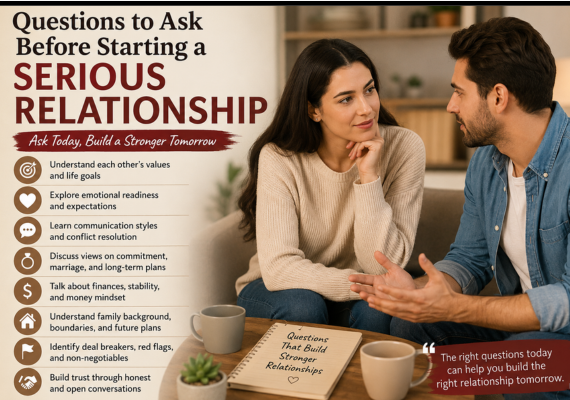
Set Clear Expectations Together
Many long-distance conflicts happen because couples assume they share the same expectations when they actually don’t.
Discuss topics like communication frequency, visit schedules, financial responsibilities for travel, social boundaries, future goals, and long-term plans.
These conversations may feel uncomfortable at first, but they prevent misunderstandings later.
For instance, one partner may expect daily video calls, while the other feels comfortable talking every other day. Without discussing these preferences, both people may unintentionally disappoint each other.
Setting expectations doesn’t mean creating strict rules. Instead, it creates mutual understanding and reduces unnecessary confusion.
The healthiest relationships are built on agreements that both partners genuinely support rather than expectations that only one person assumes.
Make Time for Virtual Dates
One of the biggest mistakes couples make is allowing every conversation to revolve around daily routines. While catching up is important, relationships also need fun, excitement, and shared experiences.
Virtual dates help recreate many of the moments couples enjoy when they’re physically together.
You might watch the same movie while video chatting, cook the same recipe together, play online games, take virtual museum tours, read the same book, or simply enjoy coffee while talking about life.
These activities create new memories instead of making every conversation feel repetitive.
For example, if Friday evenings become your regular virtual date night, both of you will have something to anticipate throughout the week. This sense of routine helps maintain emotional closeness despite the physical distance.
Most importantly, treat virtual dates with the same importance as in-person dates. Avoid distractions, silence unnecessary notifications, and give your partner your full attention.
Celebrate Small Moments Together
Many couples wait for birthdays, anniversaries, or holidays to celebrate their relationship. However, the strongest relationships are built by appreciating ordinary moments as well.
Celebrate job promotions, successful exams, completed projects, fitness milestones, birthdays of family members, or even making it through a particularly difficult week.
A thoughtful message, surprise food delivery, handwritten letter, digital photo album, or unexpected gift can make your partner feel deeply loved and remembered.
Small gestures often have a greater emotional impact than expensive gifts because they demonstrate consistent thoughtfulness.
Distance may prevent you from sharing physical moments, but it should never prevent you from celebrating life’s meaningful milestones together.
Prioritize Quality Visits Instead of Frequent Visits
Whenever you finally get the opportunity to spend time together, focus on making those moments meaningful rather than trying to fit in too many activities. It can be tempting to create a packed itinerary because you want to make every second count, but that often leads to stress instead of enjoyment.
Instead, balance exciting outings with quiet moments. Cook dinner together, take a walk, watch your favorite movie, or simply sit and talk without distractions. These ordinary experiences often become the memories couples cherish the most because they reflect what everyday life together could look like.
Quality visits also provide a chance to discuss your relationship face-to-face. While difficult conversations can happen over a video call, they are often easier to navigate when you are physically together. Use some of your time to talk about your future plans, celebrate your progress as a couple, and address any concerns before returning to your separate locations.
Remember that saying goodbye after a visit is never easy. Rather than focusing only on the sadness of leaving, make plans for your next visit before parting ways. Having another reunion to look forward to can make the distance feel much more manageable.
Support Each Other’s Individual Growth
One of the greatest advantages of a long-distance relationship is that both partners have the opportunity to grow as individuals while building a future together.
Instead of viewing the distance as time lost, use it to become the best version of yourself. Pursue your education, advance your career, develop new hobbies, improve your health, or strengthen your friendships. Encourage your partner to do the same.
Healthy relationships are built by two complete individuals who inspire each other to succeed. If one partner feels forced to pause their personal goals because of the relationship, resentment can slowly develop.
For example, imagine your partner receives an incredible career opportunity in another city. Supporting their ambition instead of viewing it as competition demonstrates maturity and strengthens your bond. When both people celebrate each other’s achievements, the relationship becomes a source of motivation rather than limitation.
Personal growth also gives you more to talk about during your conversations. Sharing new experiences, accomplishments, and lessons learned keeps your relationship exciting and continually evolving.
Learn to Resolve Conflicts Calmly
Disagreements happen in every relationship, regardless of the distance. The difference lies in how those disagreements are handled.
Long-distance couples should avoid resolving conflicts through short text messages whenever possible. Without facial expressions or tone of voice, even innocent messages can be misunderstood.
If an important issue arises, suggest a phone or video call instead. Hearing each other’s voices can prevent unnecessary misunderstandings and allow both partners to express themselves more clearly.
When discussing a disagreement, focus on solving the problem rather than proving who is right. Listen carefully, acknowledge your partner’s feelings, and avoid interrupting. Sometimes your partner simply wants to feel understood before looking for a solution.
For example, if one partner feels neglected because communication has become less frequent, instead of responding with defensiveness, ask questions to understand their perspective. You might discover that your busy schedule unintentionally made them feel unimportant.
Approaching conflicts with empathy strengthens trust and prevents small issues from becoming major problems.
Always Have a Shared Future Plan
One of the biggest reasons long-distance relationships fail is uncertainty. If neither partner knows when the distance will end, frustration can slowly replace hope.
Having a shared vision gives both people something meaningful to work toward. Talk openly about questions such as:
- When do you hope to live in the same city?
- What career goals need to happen first?
- Are you planning to get married someday?
- Where would you like to build your life together?
- What financial goals should you accomplish before closing the distance?
These conversations create direction and reduce anxiety. Even if your timeline changes, having a plan reminds both partners that the distance is temporary rather than permanent.
A shared future also helps couples stay motivated during difficult seasons. Every sacrifice feels more worthwhile when it brings you closer to your long-term goals.
Keep the Romance Alive
Romance should never disappear simply because you’re apart.
Small, thoughtful gestures can have an enormous emotional impact. Surprise your partner with a handwritten letter, send flowers for no special occasion, order their favorite meal after a stressful day, or create a playlist filled with songs that remind you of your relationship.
Technology also offers creative ways to stay romantic. You can schedule virtual dinner dates, watch sunsets together over a video call, play online games, or count down the days until your next visit using a shared calendar.
Don’t underestimate the power of expressing appreciation regularly. A heartfelt message that says, “I’m proud of you,” or “I’m grateful to have you in my life,” can brighten your partner’s entire day.
Romance is less about grand gestures and more about consistently making your partner feel loved, valued, and remembered.
Common Mistakes to Avoid in a Long-Distance Relationship
Even the strongest couples can fall into habits that weaken their relationship. Being aware of these common mistakes can help you avoid unnecessary problems.
Some of the biggest mistakes include:
- Assuming instead of communicating.
- Expecting constant texting throughout the day.
- Allowing jealousy to control your behavior.
- Ignoring conflicts instead of addressing them.
- Breaking promises repeatedly.
- Neglecting your own personal growth.
- Failing to plan visits or discuss the future.
- Taking your partner’s effort for granted.
These mistakes often develop gradually rather than overnight. Regular, honest conversations help identify and correct them before they damage the relationship.
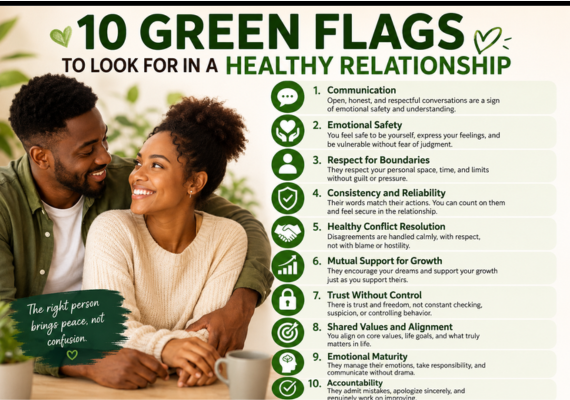
Signs Your Long-Distance Relationship Is Healthy
Wondering whether your relationship is on the right track? Healthy long-distance relationships often share several positive characteristics.
You trust each other without needing constant reassurance.
You communicate honestly, even during difficult conversations.
Both of you support each other’s goals and celebrate achievements.
You make time for one another despite busy schedules.
Conflicts are resolved respectfully instead of turning into prolonged arguments.
You both feel emotionally safe expressing your thoughts and feelings.
Most importantly, you share a clear vision for your future together. Knowing that both partners are equally committed provides reassurance during challenging times.
A healthy relationship isn’t perfect, but both people consistently choose to work as a team rather than against each other.
How to Stay Emotionally Connected Despite the Distance
Emotional intimacy doesn’t depend on physical closeness. It grows through vulnerability, consistency, and genuine interest in each other’s lives.
Take time to ask meaningful questions instead of only discussing daily routines. Talk about your dreams, childhood memories, fears, future plans, and personal goals. These conversations help you continue discovering new things about each other.
Create traditions that belong only to your relationship. For example, you might have Sunday evening video calls, monthly online game nights, or a habit of sharing one thing you’re grateful for before going to bed. These routines create stability and something to look forward to each week.
It also helps to include your partner in your everyday life. Send a photo of your morning coffee, a funny moment at work, or the beautiful sunset you noticed during your evening walk. Small updates make your partner feel like they’re still part of your daily experiences.
Above all, continue expressing love in ways your partner appreciates most. Whether it’s encouraging words, thoughtful gifts, quality conversations, or acts of kindness, consistently showing affection keeps your emotional connection strong.
When a Long-Distance Relationship May Not Be Working
While many long-distance relationships succeed, it’s also important to recognize when deeper issues exist.
Repeated dishonesty, broken trust, complete lack of communication, unwillingness to make time for each other, or having no intention of closing the distance may indicate that the relationship needs serious attention.
If only one person is putting in effort while the other remains emotionally unavailable, frustration and disappointment will continue to grow.
That doesn’t necessarily mean the relationship is beyond saving. Honest conversations, mutual commitment, and a willingness to address problems can often rebuild a struggling relationship.
However, both partners must genuinely want the relationship to succeed. Healthy love requires effort from both sides, not just one.
Frequently Asked Questions (FAQ)
How often should long-distance couples communicate?
There isn’t a perfect schedule that works for everyone. The healthiest couples communicate in a way that fits both of their lifestyles. Focus on meaningful conversations instead of constantly messaging throughout the day.
Can a long-distance relationship really last?
Yes. Many couples successfully maintain long-distance relationships and eventually build happy marriages. Success depends on trust, communication, commitment, and having a shared plan for the future.
What is the biggest challenge in a long-distance relationship?
For many couples, uncertainty is the biggest challenge. Not knowing when the distance will end can become emotionally draining. Having a realistic plan for your future together helps reduce this stress.
How do you keep the relationship exciting?
Try new virtual activities together, celebrate milestones, plan future visits, surprise each other with thoughtful gestures, and continue learning about one another through meaningful conversations.
Conclusion
Learning how to make a long-distance relationship work isn’t about finding a single secret formula. It’s about building daily habits that strengthen trust, improve communication, and keep your emotional connection alive despite the miles between you.
Distance may test your patience, but it can also deepen your appreciation for one another. Couples who communicate honestly, support each other’s personal growth, resolve conflicts respectfully, and work toward a shared future often emerge from long-distance relationships stronger than ever.
No relationship is perfect, and there will be difficult days. What matters most is your willingness to choose each other consistently, even when it’s not easy. If both partners remain committed, intentional, and hopeful, the distance can become a chapter in your love story rather than the ending.

Daniel Master is a relationship and marriage writer passionate about helping readers build healthier relationships, stronger marriages, and more meaningful connections. Through practical advice, thoughtful insights, and fresh perspectives on weddings and modern relationships, Daniel creates easy-to-understand content designed to help readers make confident decisions in love and life.