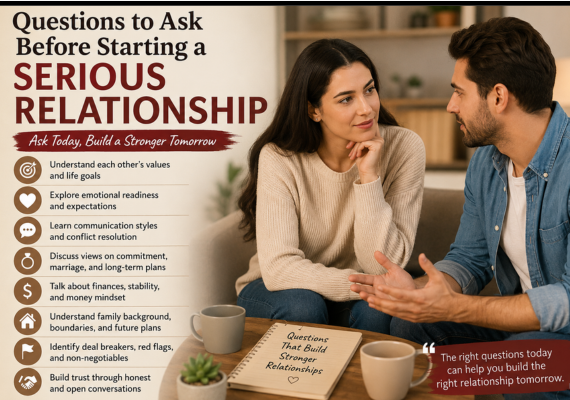
Starting a serious relationship is never just about emotions or attraction alone. From experience, I’ve learned that while feelings can initiate a connection, they are not enough to sustain it. What truly determines whether a relationship will last is clarity—clarity about values, expectations, emotional readiness, and long-term goals.
When people search for “questions to ask before starting a serious relationship,” what they are really looking for is direction. They want to avoid confusion, heartbreak, and mismatched expectations. I approach this topic from a practical standpoint: asking the right questions early does not ruin romance; it protects it.
A strong relationship is not built on guessing or assumptions. It is built on understanding two individuals deeply enough to know whether their lives can genuinely align.
Understanding Personal Values and Life Goals
One of the first things I always focus on in any relationship is values. Values shape decisions, reactions, priorities, and even how someone handles pressure. If two people have completely different core values, love alone will not bridge that gap for long.
In real-life situations, I’ve seen couples struggle not because they didn’t care about each other, but because they were moving in different directions. One partner may prioritize stability and family life, while the other prioritizes freedom, travel, or career growth. Neither is wrong—but without awareness, it becomes a source of conflict.
This is why early conversations about life goals matter so much. Questions like where someone sees themselves in five or ten years, what success means to them, or how they define a meaningful life are not small talk—they are foundational alignment checks.
When two people understand each other’s direction in life, it becomes easier to decide whether they are walking the same path or just temporarily standing side by side.
Emotional Readiness and Relationship Expectations
Emotional readiness is one of the most overlooked factors in modern relationships. Many people want companionship, but not everyone is prepared for the emotional responsibility that comes with a serious relationship.
From what I’ve observed, emotional readiness is shown through consistency, self-awareness, and accountability. A person who is ready for a serious relationship does not avoid difficult conversations or disappear when things become uncomfortable. Instead, they are willing to communicate, reflect, and grow.
This is why it’s important to ask questions that go beyond surface-level romance. For example, how someone handles emotional stress, what love means to them in practical terms, and whether they have processed past relationships.
Unresolved emotional baggage often appears later in subtle but damaging ways—trust issues, fear of commitment, or emotional withdrawal. Addressing this early does not mean judging someone; it means understanding whether they are truly available for something serious.
Communication Styles and Conflict Resolution Patterns
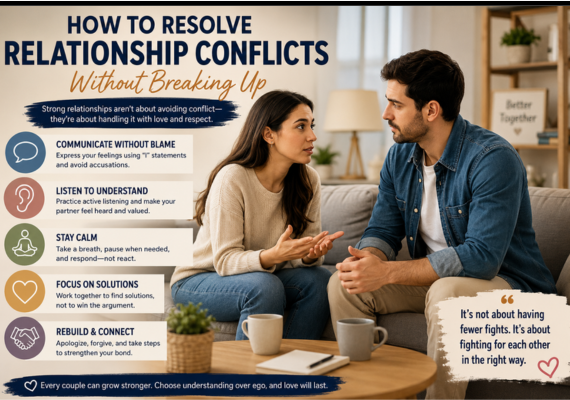
Communication is one of the strongest indicators of long-term relationship success. However, it is not just about how often people talk—it is about how they behave when they disagree.
I’ve seen relationships that looked perfect on the outside fall apart simply because the couple did not understand each other’s conflict style. Some people shut down during arguments, others become defensive, and some prefer immediate resolution. None of these styles are necessarily wrong, but they must be understood.
That is why I always encourage questions such as how someone handles conflict, whether they prefer space or discussion during emotional tension, and how they usually express frustration.
When communication styles are understood early, misunderstandings become easier to manage. But when they are ignored, even small disagreements can escalate into repeated emotional distance.
Views on Commitment, Marriage, and Long-Term Plans
Commitment is where intentions become reality. Many relationships begin with strong chemistry but fail later because both individuals never discussed what they actually want long-term.
In my experience, this is one of the most common hidden causes of heartbreak. Two people may be deeply connected, but one is thinking about marriage while the other is only thinking about companionship without long-term structure.
That is why conversations about commitment are essential. Questions like what commitment means to someone, whether they believe in marriage, and what kind of long-term relationship they envision help bring clarity early.
These discussions are not about pressure or rushing decisions. They are about ensuring that emotional investment is not built on assumptions. When expectations are aligned, relationships gain direction and stability instead of confusion.
Financial Habits, Stability, and Money Mindset
Money is one of the most sensitive but important topics in relationships. It is not only about income—it is about mindset, discipline, and long-term financial behavior.
From experience, I’ve seen many couples underestimate how much financial habits can affect emotional harmony. One partner may be structured and saving-oriented, while the other may be spontaneous with spending. Without awareness, this difference can create ongoing tension.
This is why financial questions matter early on. Understanding how someone manages money, whether they are a saver or spender, and what their financial goals look like helps build transparency.
Financial compatibility is not about having identical incomes—it is about having aligned values when it comes to money management and future planning.
Family Background, Boundaries, and Future Family Plans
Family background plays a much deeper role in relationships than most people realize. From experience, I’ve seen that people don’t just enter relationships as individuals—they bring along their upbringing, family values, and learned emotional patterns. These influences quietly shape how they handle conflict, commitment, and communication.
Understanding someone’s family dynamics is not about judgment. It is about awareness. Questions like how close they are to their family, how decisions are made in their household, and what role family opinions play in their personal life can reveal a lot about long-term compatibility.
Boundaries are equally important. I always pay attention to whether someone can set healthy limits with family members, especially when it comes to future relationships and marriage. Without boundaries, external influence can easily become a source of tension between partners.
Future family plans are another critical area. Questions such as whether they want children, how they view parenting responsibilities, and what kind of family structure they imagine help prevent future misunderstandings. These conversations may feel early, but they save couples from discovering major incompatibilities later in the relationship.
Lifestyle Compatibility and Daily Life Expectations
Lifestyle compatibility is often underestimated because it does not seem as serious as values or commitment. However, in real-life relationships, daily habits often determine long-term harmony more than anything else.
I always encourage understanding how someone lives on a normal day. Do they prefer a structured routine or a flexible lifestyle? Are they social or more introverted? How do they spend their free time? These details may seem small, but they become very important when two people start sharing space and time consistently.
Even sleeping habits, cleanliness standards, and social preferences can create friction if not understood early. For example, one partner may enjoy quiet evenings at home, while the other thrives on constant social activity. Without balance or compromise, these differences can lead to frustration.
Lifestyle compatibility does not mean being identical. It means understanding differences early and deciding whether both lifestyles can coexist peacefully without constant tension.
Deal Breakers, Red Flags, and Non-Negotiables to Discuss Early
Every person has boundaries, even if they are not always clearly stated. In relationships, I always advise being honest about deal breakers early instead of discovering them after emotional attachment has formed.
Deal breakers are personal, but they often include things like dishonesty, lack of ambition, poor communication, or incompatible life goals. The key is not just identifying them internally, but also understanding your partner’s.
Questions about what someone cannot tolerate in a relationship, what behaviors they consider unacceptable, and what would cause them to walk away are extremely important. These conversations bring clarity and prevent emotional surprises later.
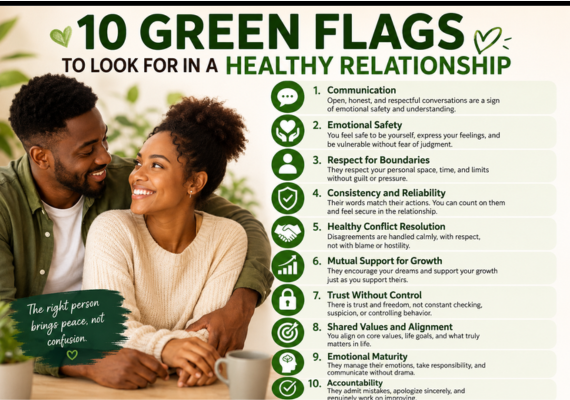
Red flags should also be observed carefully. Consistent inconsistency, avoidance of accountability, or refusal to communicate openly are patterns that should not be ignored. In my experience, people often overlook these early signs because of emotional excitement, but they rarely disappear with time.
Non-negotiables help define emotional safety. When both partners understand each other’s boundaries, the relationship becomes more stable and respectful.
Building Trust Through Honest Conversations
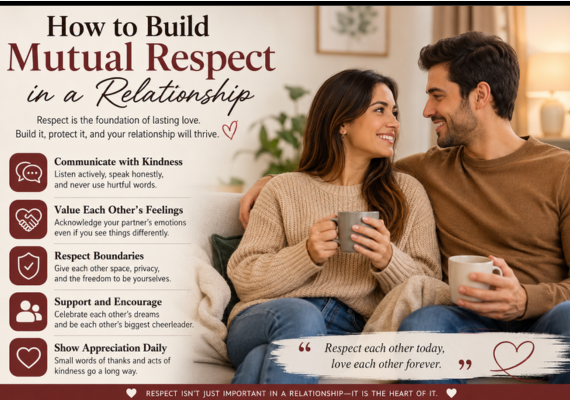
Trust is not something that appears automatically—it is built through consistent honesty and transparency. I’ve seen relationships grow stronger not because everything was perfect, but because both people were willing to be open even when it was uncomfortable.
Honest conversations create emotional safety. When partners feel safe to express thoughts without fear of judgment, trust naturally deepens over time. This includes talking about fears, past experiences, expectations, and even insecurities.
Avoiding difficult conversations often leads to assumptions, and assumptions are one of the fastest ways trust breaks down. That is why I always emphasize openness over perfection.
Trust also grows when actions match words. It is not enough to say the right things—consistency in behavior is what builds long-term confidence in a partner.
Read: How to Make a Long-Distance Relationship Work: 15 Proven Ways
Conclusion
Starting a serious relationship should never be based on emotion alone. From my experience, the strongest relationships are the ones where both individuals take time to understand each other deeply before committing.
Asking the right questions before entering a serious relationship is not about creating distance—it is about creating clarity. It helps reveal compatibility, emotional readiness, communication styles, and long-term alignment.
When these conversations happen early, relationships become more intentional and less confusing. Instead of guessing or hoping things will work out, both partners enter with awareness and mutual understanding.
A lasting relationship is not built on chance. It is built on informed decisions, honest communication, and shared direction in life.

Daniel Master is a relationship and marriage writer passionate about helping readers build healthier relationships, stronger marriages, and more meaningful connections. Through practical advice, thoughtful insights, and fresh perspectives on weddings and modern relationships, Daniel creates easy-to-understand content designed to help readers make confident decisions in love and life.