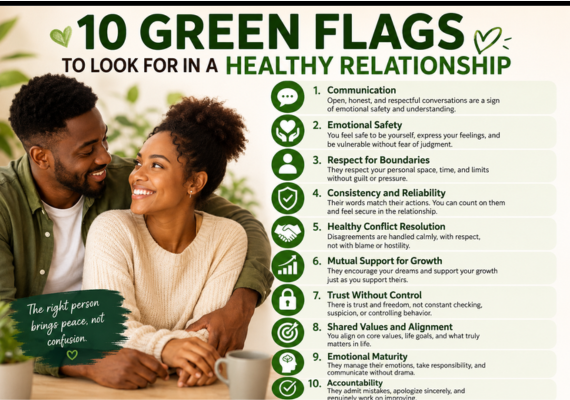
In modern dating and marriage conversations, a lot of attention is placed on red flags, but I’ve found that healthy relationships are better understood through what is going right rather than what is going wrong. Green flags are the positive signs that show emotional safety, stability, respect, and long-term potential between two people. They are the quiet indicators that a relationship is built on something solid, not just attraction or temporary excitement.
When I talk about green flags in relationships, I’m referring to the consistent behaviors that make love feel safe, not confusing. Many people enter relationships focusing on chemistry alone, but over time, emotional patterns matter far more than initial attraction. Recognizing these positive signs early can save people from unnecessary heartbreak and guide them toward more fulfilling partnerships.
Why Green Flags Matter More Than Red Flags in a Healthy Relationship
One of the most overlooked truths in relationships is that focusing only on red flags creates fear-based dating. While it is important to avoid toxic patterns, it is equally important to recognize what healthy love actually looks like in practice. Green flags give direction. They show what should be present, not just what should be avoided.
From my experience observing relationship dynamics, couples who prioritize green flags tend to build stronger emotional foundations. Instead of constantly questioning their partner’s intentions, they experience clarity and emotional stability. This doesn’t mean the relationship is perfect, but it does mean both people are consistently showing up in a respectful and emotionally responsible way.
When someone understands green flags, they begin to date with intention rather than anxiety. They are no longer only trying to avoid pain; they are actively looking for emotional compatibility and long-term peace.
Communication as a Foundation of a Healthy Relationship
Strong communication is one of the clearest green flags in any relationship. When two people can express their thoughts, feelings, and concerns without fear of judgment or punishment, the relationship becomes emotionally safe.
Healthy communication is not just about talking often; it is about talking honestly and listening with intent. I often tell people that communication should feel like understanding, not winning. In a healthy relationship, conversations don’t turn into competitions where one person must be right.
For example, if a disagreement arises and both partners can calmly express how they feel, ask questions, and reach mutual understanding without shouting or shutting down, that is a strong green flag. It shows emotional maturity and respect for each other’s perspective.
Poor communication, on the other hand, creates confusion and emotional distance. That is why the ability to communicate clearly and calmly is one of the strongest predictors of long-term relationship success.
Emotional Safety and Feeling Secure With Your Partner
Emotional safety is a deeper layer of relationship health that many people overlook. It is the feeling that you can be yourself without fear of humiliation, manipulation, or emotional punishment.
When emotional safety exists, both partners feel comfortable expressing vulnerability. This includes sharing fears, past experiences, insecurities, and dreams without being dismissed or judged. A partner who creates emotional safety does not use your vulnerability against you later.
For instance, if someone opens up about a past mistake and their partner responds with understanding instead of ridicule, that is a powerful green flag. It shows that the relationship is a safe space, not an emotional battlefield.
Without emotional safety, even love can feel exhausting. But with it, relationships become a place of peace, healing, and growth.
Respect for Boundaries and Personal Space
Another strong green flag in a healthy relationship is respect for boundaries. Boundaries are not barriers to love; they are structures that protect individuality within a relationship.
In a healthy dynamic, both partners understand that love does not require constant access or control. Each person still maintains their identity, friendships, personal time, and individual interests without guilt or pressure.
For example, if one partner needs time alone after a stressful day and the other respects that without taking it personally, that is emotional maturity in action. It shows understanding that space does not mean rejection.
Relationships that lack boundary respect often become controlling or emotionally draining. But when boundaries are honored, trust grows naturally and resentment is reduced.
Consistency and Reliability in Behavior
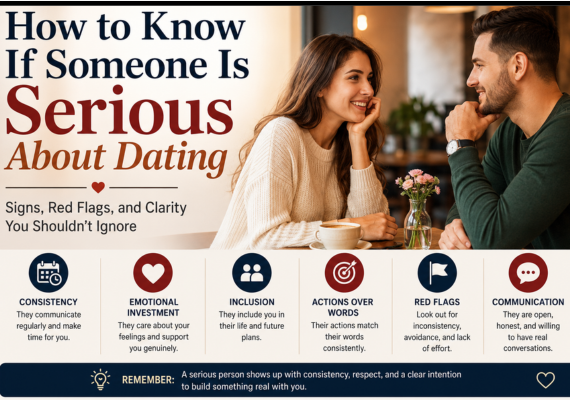
Consistency is one of the most reassuring green flags in any relationship. It means a partner’s words match their actions over time. There is no emotional confusion, no unpredictable behavior patterns, and no constant guessing about where you stand.
A consistent partner does not only show love when it is convenient. They communicate regularly, show up when they say they will, and maintain emotional stability even during challenges.
For example, someone who is affectionate one day and completely distant the next without explanation creates emotional instability. But a consistent partner provides a sense of emotional grounding, even during disagreements.
Consistency builds trust. And without trust, emotional security becomes impossible. That is why reliability is one of the strongest indicators of long-term relationship health.
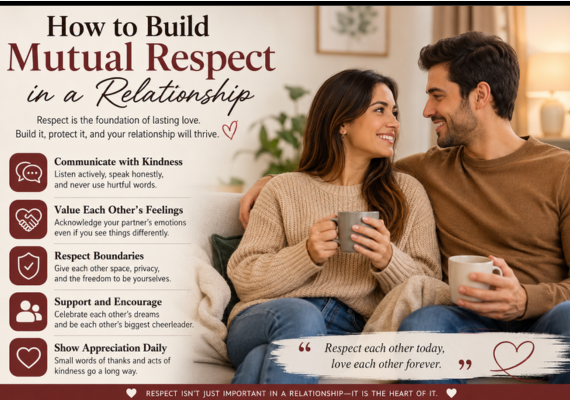
Read: How to Build Mutual Respect in a Relationship: A Practical Guide for Lasting Love
Healthy Conflict Resolution and Problem-Solving Skills
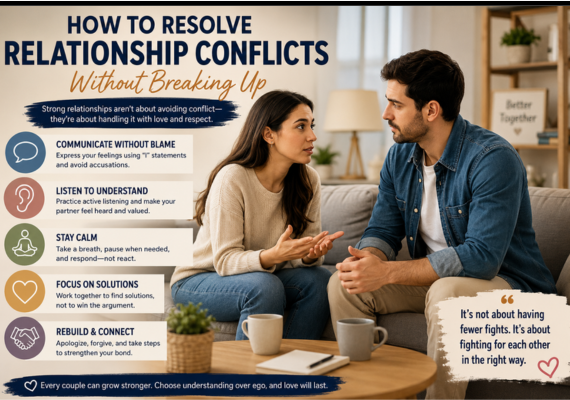
Conflict is unavoidable in any relationship, but how it is handled determines the strength of the bond. A major green flag is the ability to resolve disagreements in a calm and constructive way.
In healthy relationships, conflicts are not about winning or proving superiority. Instead, both partners focus on understanding each other and finding solutions. This often includes active listening, taking responsibility when necessary, and avoiding harmful language during arguments.
For example, instead of saying hurtful things like “you always do this,” a healthy partner might say, “I felt hurt when this happened, and I want us to understand it better.” This shift in communication reduces defensiveness and encourages resolution.
Couples who handle conflict well don’t avoid problems—they face them together. That is a powerful indicator of emotional maturity and long-term compatibility.
Mutual Support for Growth and Personal Goals
One of the strongest green flags in a healthy relationship is mutual support for each other’s personal growth. A healthy partner does not feel threatened by your progress; instead, they encourage it. Growth in a relationship should feel like a shared journey, not a competition.
In strong relationships, both individuals understand that personal goals do not weaken the bond—they strengthen it. Whether it is career development, education, spiritual growth, or personal hobbies, a supportive partner celebrates progress rather than discouraging it.
For example, if one partner decides to pursue a new career path or start a business, a supportive relationship will include encouragement, constructive feedback, and emotional backing. There is no jealousy or insecurity, only shared excitement for success.
When both partners grow individually while still supporting each other, the relationship becomes more stable, mature, and fulfilling over time.
Trust Without Excessive Control or Suspicion
Trust is one of the most important foundations of any healthy relationship, and its presence is a clear green flag. However, true trust is not just about saying “I trust you”—it is demonstrated through behavior that avoids unnecessary control, monitoring, or suspicion.
In a healthy relationship, partners do not constantly check each other’s phones, demand explanations for every movement, or create emotional pressure through doubt. Instead, there is a natural sense of confidence in each other’s loyalty and intentions.
For example, if one partner goes out with friends, the other does not assume wrongdoing or demand constant updates. There is freedom combined with responsibility, not surveillance.
From experience, relationships built on trust feel lighter and more peaceful. There is no emotional exhaustion caused by constant questioning or insecurity. Instead, both partners feel emotionally free while still being committed to each other.
Trust grows over time through consistent behavior, honesty, and emotional reliability. Without it, even strong attraction eventually weakens.
Shared Values and Relationship Alignment
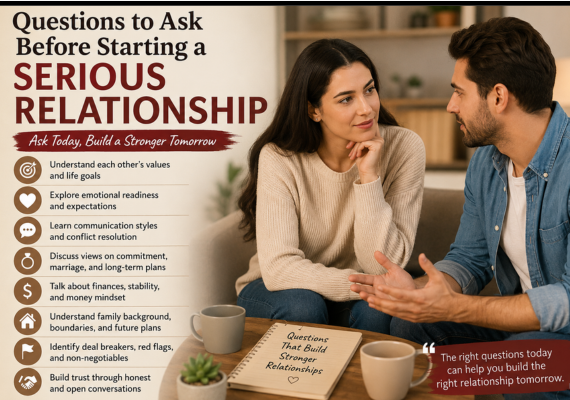
While differences can exist in a relationship, shared core values are essential for long-term compatibility. A strong green flag is when two people align on important life principles such as family values, financial mindset, life goals, and emotional priorities.
Shared values do not mean both partners must agree on everything. Instead, it means they are moving in the same general direction in life. This alignment reduces major conflicts and creates a sense of unity.
For example, if both partners value honesty, commitment, and emotional respect, their relationship is more likely to remain stable during challenges. On the other hand, if one partner values stability while the other prefers unpredictability without communication, tension will naturally arise over time.
When values align, decision-making becomes easier, misunderstandings reduce, and long-term planning becomes more realistic and peaceful.
Emotional Maturity and Accountability
Emotional maturity is a powerful green flag that often determines whether a relationship will survive long-term challenges. It refers to the ability to take responsibility for actions, manage emotions effectively, and respond to situations with calmness rather than impulsivity.
In emotionally mature relationships, partners are not afraid to admit when they are wrong. Instead of blaming each other, they focus on understanding the impact of their behavior and making improvements.
For example, if one partner unintentionally hurts the other, an emotionally mature response would be acknowledging the mistake, apologizing sincerely, and working on change rather than becoming defensive or dismissive.
Accountability builds trust and emotional safety. It shows that both individuals are willing to grow together rather than repeat destructive patterns. Without emotional maturity, small misunderstandings can quickly turn into major conflicts.
Read: Questions to Ask Before Starting a Serious Relationship
Conclusion
A healthy relationship is not defined by the absence of problems, but by the presence of consistent positive behaviors that create emotional safety, trust, and growth. Recognizing these green flags allows individuals to choose partners who contribute to peace rather than confusion.
When I look at long-lasting relationships, I see a pattern: communication is open, boundaries are respected, trust is strong, and both partners are committed to personal and shared growth. These are not random traits—they are intentional behaviors that build emotional stability over time.
Instead of focusing only on what to avoid, it is more powerful to focus on what to actively seek. Green flags give direction, clarity, and confidence in choosing the right partner.
A relationship built on these principles does not just survive challenges—it grows stronger because of them.

Daniel Master is a relationship and marriage writer passionate about helping readers build healthier relationships, stronger marriages, and more meaningful connections. Through practical advice, thoughtful insights, and fresh perspectives on weddings and modern relationships, Daniel creates easy-to-understand content designed to help readers make confident decisions in love and life.