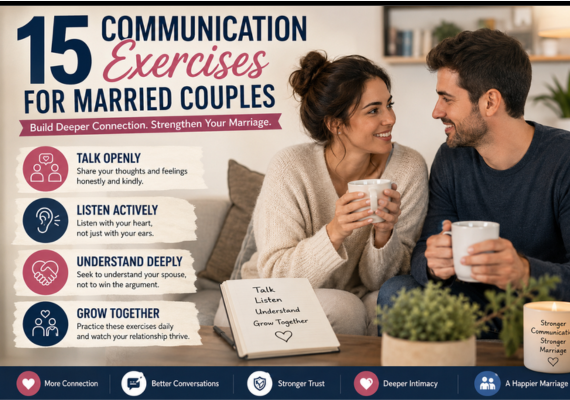
Healthy communication is one of the strongest foundations of a successful marriage. No matter how deeply two people love each other, misunderstandings, stress, busy schedules, and life changes can slowly weaken the way they communicate. Over the years, I have learned that many marriage problems do not begin because couples stop loving each other. Instead, they often begin because they stop communicating in meaningful and intentional ways.
If you have been searching for communication exercises for married couples, chances are you want practical solutions rather than relationship theories. Maybe you and your spouse find yourselves having the same arguments repeatedly. Perhaps conversations feel forced, or one partner talks while the other simply listens without truly understanding. You may even feel like roommates instead of life partners.
The good news is that communication is not a talent that only a few couples possess. It is a skill that can be developed through consistent practice. Just as people exercise to strengthen their bodies, married couples can practice simple communication exercises to strengthen emotional intimacy, improve trust, and create healthier conversations.
In this guide, I will share 15 communication exercises for married couples that are practical, easy to implement, and suitable for newlyweds as well as couples who have been married for decades. These exercises are designed to help you listen better, express yourself honestly, resolve disagreements peacefully, and build a stronger emotional connection with your spouse.
By the end of this article, you will have a collection of communication habits that can transform everyday conversations into opportunities for deeper love, greater understanding, and lasting intimacy.
Why Communication Matters in Marriage
Communication is much more than talking. It is the bridge that connects two people emotionally, mentally, and even spiritually. Every successful marriage depends on open conversations where both partners feel heard, respected, and appreciated.
Many couples believe their biggest problem is money, parenting, household responsibilities, or intimacy. In reality, these challenges often become overwhelming because communication has broken down. When couples struggle to communicate effectively, even small disagreements can grow into major conflicts.
Strong communication creates emotional safety. It allows both spouses to express their thoughts without fear of criticism or rejection. When you know your partner genuinely wants to understand your feelings instead of preparing a response, trust naturally grows.
Communication also prevents assumptions. Instead of guessing what your spouse is thinking, healthy conversations replace confusion with clarity. This reduces unnecessary arguments and helps couples work together as a team instead of competing against each other.
Another reason communication is so important is that people change over time. The person you married years ago has experienced personal growth, career changes, family responsibilities, disappointments, and new dreams. Regular conversations help couples stay connected as they grow together rather than apart.
Good communication also strengthens emotional intimacy. Romantic relationships thrive when partners openly share their fears, hopes, frustrations, and victories. These conversations create closeness that physical affection alone cannot replace.
Perhaps most importantly, effective communication teaches couples how to solve problems together. Every marriage experiences conflict, but successful couples understand that the goal is not winning an argument. The goal is finding solutions that strengthen the relationship.
When communication improves, many other areas of marriage improve naturally. Trust becomes stronger, misunderstandings become less frequent, forgiveness becomes easier, and daily life becomes more peaceful.
This is exactly why practicing intentional communication exercises can make such a significant difference. They help couples replace unhealthy habits with positive communication patterns that become stronger over time.
Signs Your Marriage Needs Better Communication
Many couples assume communication problems only exist when there are constant arguments. However, poor communication often appears in subtle ways long before serious relationship issues develop. Recognizing these signs early gives you the opportunity to strengthen your marriage before frustration builds.
One common sign is having the same disagreement repeatedly without finding a lasting solution. If every discussion seems to circle back to the same issue, chances are the real problem is not the topic itself but how both partners communicate about it.
Another warning sign is avoiding important conversations altogether. Some couples stop discussing finances, parenting, future plans, or personal concerns simply because they fear another argument. While avoiding conflict may seem peaceful in the short term, it often creates emotional distance over time.
Feeling misunderstood is another indicator that communication needs improvement. You may explain your feelings clearly, yet your spouse consistently misunderstands your intentions. Likewise, you may realize that you often misinterpret what your partner is trying to say. These misunderstandings can gradually lead to resentment if they are never addressed.
Many married couples also experience communication breakdowns when one partner dominates every conversation while the other remains silent. Healthy communication requires both people to speak honestly and listen actively. When only one voice is consistently heard, emotional balance disappears.
Short, surface-level conversations can also signal deeper communication issues. If most discussions revolve around work schedules, bills, household chores, or children’s activities, emotional intimacy may slowly fade. Meaningful conversations are essential for maintaining a strong marriage.
Technology can contribute to communication challenges as well. Couples may spend hours looking at their phones while spending only a few minutes genuinely talking to each other. Although they live in the same home, emotional connection gradually weakens because quality conversations become less frequent.
Another overlooked sign is becoming defensive whenever your spouse offers feedback. Instead of listening with an open mind, both partners may immediately justify their actions or assign blame. This defensive cycle makes honest communication increasingly difficult.
Some couples also stop expressing appreciation. They assume their spouse already knows they are loved and valued, so encouraging words become rare. Over time, this silence can leave both partners feeling unnoticed and emotionally disconnected.
For example, imagine a husband comes home from work exhausted and barely speaks during dinner. His wife assumes he is upset with her, while he simply had a stressful day at work. Without open communication, both partners create different stories in their minds, leading to unnecessary tension that could have been avoided with one honest conversation.
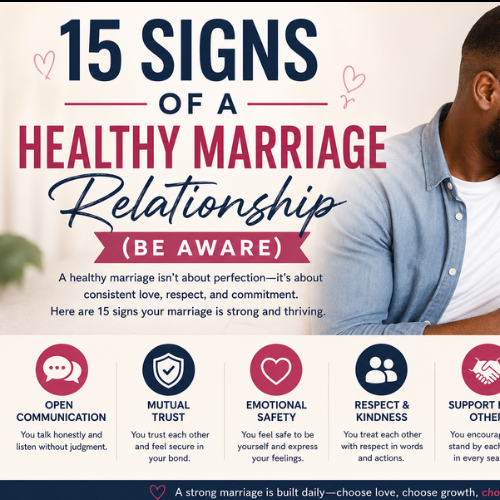
Read: 15 Signs of a Healthy Marriage Relationship (Be Aware)
The encouraging news is that communication problems are not permanent. With intentional effort and regular practice, couples can rebuild trust, improve understanding, and create conversations that strengthen rather than weaken their relationship.
15 Communication Exercises for Married Couples
Improving communication in marriage does not require expensive counseling sessions or complicated relationship techniques. In my experience, the greatest improvements often come from simple exercises that are practiced consistently. The key is not trying every exercise at once but choosing one or two that fit your relationship and making them part of your routine.
Below are 15 effective communication exercises that can help married couples strengthen trust, improve understanding, and create healthier conversations.
1. The Daily 15-Minute Check-In
One of the simplest yet most powerful communication exercises is setting aside 15 uninterrupted minutes every day to talk. During this time, avoid discussing bills, children, work deadlines, or household chores unless they are emotionally important.
Instead, focus on how each of you is feeling. Share your highs, your lows, and anything that has been on your mind throughout the day.
For example, instead of saying, “Work was okay,” try saying, “I felt overwhelmed during a meeting today, but I was proud that I stayed calm.” This invites a deeper conversation and helps your spouse understand your emotional world.
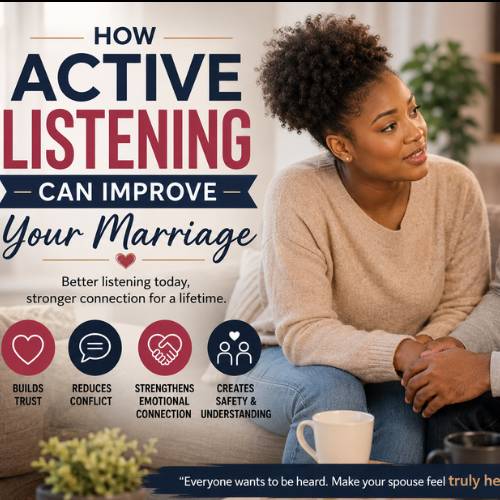
2. Practice Active Listening
Listening is one of the most overlooked communication skills in marriage. Many people listen just long enough to prepare their next response instead of genuinely understanding their spouse.
During this exercise, one partner speaks for three to five minutes while the other simply listens without interrupting. Once the speaker finishes, the listener summarizes what they heard before responding.
For example:
“I hear that you’ve been feeling stressed because I’ve been working late, and you miss spending time together.”
This simple habit reduces misunderstandings and helps both partners feel respected.
3. Ask Open-Ended Questions
Yes-or-no questions often end conversations quickly.
Instead of asking:
“Did you have a good day?”
Try asking:
“What was the most interesting part of your day?”
Open-ended questions encourage your spouse to share thoughts, feelings, and experiences that might otherwise remain hidden. Over time, these conversations create stronger emotional intimacy.
4. Share Three Appreciations Every Day
Many couples become experts at noticing mistakes while overlooking acts of kindness.
Each day, tell your spouse three specific things you appreciate about them.
These can be simple observations, such as:
- “Thank you for making breakfast this morning.”
- “I appreciate how patient you were with the children today.”
- “I love how you always encourage me when I’m discouraged.”
Specific appreciation feels more sincere than general compliments and reminds both partners that they are valued.
5. The No-Interrupting Conversation
Interrupting often makes people feel unheard.
Choose one topic and allow each partner to speak for five uninterrupted minutes. The listening spouse should maintain eye contact, avoid checking their phone, and resist the urge to defend themselves.
When both partners have spoken, discuss possible solutions together.
This exercise encourages patience and improves mutual respect.
6. Create Weekly Marriage Meetings
Many successful couples intentionally schedule time to discuss their relationship rather than waiting until problems arise.
A weekly marriage meeting can include topics such as:
- What went well this week?
- What could we improve?
- Is there anything either of us needs?
- How can I support you this week?
These meetings create a safe environment for honest conversations before small frustrations become larger conflicts.
7. Practice Using “I” Statements
Blaming language often creates defensiveness.
Instead of saying:
“You never listen to me.”
Try saying:
“I feel unheard when I’m interrupted.”
“I” statements focus on personal feelings instead of attacking your spouse’s character. This small adjustment often changes the entire tone of a conversation.
8. Dream Together About the Future
Communication should not revolve only around solving problems.
Spend time discussing future dreams, travel goals, financial plans, family aspirations, retirement ideas, or personal ambitions.
For example, ask questions like:
- Where would you love us to travel?
- What goal should we achieve together this year?
- What dream have you never shared with me?
These conversations remind couples that they are building a future together rather than simply managing today’s responsibilities.
9. Read a Relationship Book Together
Learning together creates opportunities for meaningful discussion.
Read one chapter each week from a trusted marriage book and discuss what stood out to each of you.
Ask questions like:
- What surprised you?
- Which advice could strengthen our marriage?
- What should we start doing differently?
This exercise encourages growth without making either partner feel criticized.
10. Use a Feelings Check-In
Sometimes spouses struggle because they cannot identify what they are actually feeling.
Once or twice a week, ask each other:
“What emotion have you experienced the most this week?”
Possible answers might include:
- Excited
- Worried
- Grateful
- Lonely
- Encouraged
- Frustrated
- Hopeful
Naming emotions makes it easier to communicate them honestly.
11. Take Turns Planning Date Conversations
Date nights often become discussions about responsibilities instead of connection.
Before each date, prepare three thoughtful questions for your spouse.
Examples include:
- What is one memory of us that still makes you smile?
- What challenge are you facing right now?
- How can I become a better husband or wife?
These questions encourage vulnerability and meaningful conversation.
12. Practice Reflective Responses
Instead of immediately giving advice, reflect your spouse’s feelings first.
For example:
“It sounds like you’re disappointed.”
“I can understand why that situation frustrated you.”
Reflective responses show empathy before offering solutions, making your spouse feel understood rather than judged.
13. Eliminate Digital Distractions
Communication suffers when phones constantly compete for attention.
Choose one period every day—perhaps during dinner or before bedtime—when both partners put away their phones, tablets, and televisions.
Giving your spouse your full attention communicates respect and strengthens emotional connection.
14. Solve One Small Problem Together
Rather than waiting for major disagreements, work together to solve a small issue.
It might involve organizing the house, planning a weekend activity, creating a monthly budget, or deciding on family routines.
Working together strengthens teamwork and builds confidence in handling larger challenges later.
15. End Every Day with Meaningful Conversation
Before going to sleep, spend a few quiet minutes talking.
Discuss questions like:
- What made you smile today?
- What challenged you today?
- Is there anything weighing on your heart?
- What are you looking forward to tomorrow?
Ending the day with connection instead of silence helps couples stay emotionally close, even during busy seasons of life.
How to Get the Best Results from These Communication Exercises
Communication exercises only produce lasting change when they become regular habits rather than occasional activities. Consistency is far more important than perfection. Even if you only practice one exercise several times a week, you are more likely to see meaningful improvements than if you try all fifteen once and never revisit them.
Choose exercises that fit your current relationship. If conversations often become heated, begin with active listening or “I” statements. If emotional distance is the bigger issue, focus on daily check-ins or appreciation exercises. Starting with the areas where you struggle most makes the exercises feel practical and immediately beneficial.
Be patient with each other during the process. Breaking years of communication habits takes time, and there will be moments when old patterns resurface. Instead of becoming discouraged, view each conversation as another opportunity to learn and grow together.
It is also important to create an environment where both spouses feel emotionally safe. Avoid using these exercises to criticize, win arguments, or point out faults. Their purpose is to strengthen understanding, not prove who is right. When both partners approach each exercise with humility and a willingness to listen, positive change becomes much more likely.
Most importantly, celebrate progress, even if it seems small. A calmer disagreement, a deeper conversation, or a sincere apology are all signs that your communication is improving. These small victories build momentum and encourage both partners to keep investing in their marriage.
Common Communication Mistakes Married Couples Should Avoid
Even the best communication exercises can lose their effectiveness if certain unhealthy habits continue. Over the years, I have noticed that many marriages struggle not because couples refuse to communicate, but because they unknowingly communicate in ways that create distance instead of closeness.
Recognizing these common mistakes is the first step toward replacing them with healthier habits. The goal is not to become perfect communicators overnight but to become more intentional with every conversation.
Assuming Instead of Asking
One of the quickest ways to create misunderstandings is to assume you already know what your spouse is thinking or feeling.
For example, if your spouse comes home quiet after work, it is easy to assume they are upset with you. In reality, they may simply be exhausted or dealing with pressure at work. Instead of making assumptions, ask thoughtful questions with genuine curiosity.
A simple question like, “You seem quieter than usual today. Is everything okay?” can prevent unnecessary conflict and open the door to an honest conversation.
Listening Only to Respond
Many people hear words without truly listening to their spouse’s message.
Instead of planning your response while your partner is speaking, focus entirely on understanding their perspective. Pay attention to their emotions, body language, and tone of voice as much as the words they use.
When your spouse feels understood, they are often more willing to understand your perspective as well.
Bringing Up Past Mistakes
Healthy communication focuses on solving today’s problem rather than reopening yesterday’s arguments.
Constantly reminding your spouse of old mistakes makes it difficult to move forward. While learning from the past is important, repeatedly using previous failures as weapons damages trust and slows healing.
If an issue has genuinely been forgiven, avoid bringing it into every disagreement.
Using Hurtful Words During Conflict
Words spoken in anger can leave emotional scars long after the argument ends.
Avoid insults, sarcasm, ridicule, name-calling, or statements like:
- “You always ruin everything.”
- “You never care about me.”
- “I’m done talking to you.”
Instead, choose respectful language even when emotions are running high. Speaking with kindness during disagreement shows maturity and strengthens the relationship.
Ignoring Nonverbal Communication
Communication is about much more than spoken words.
Eye contact, facial expressions, posture, tone of voice, and body language all send powerful messages. Crossing your arms, rolling your eyes, or constantly checking your phone can communicate disinterest even if your words sound positive.
Make an effort to give your spouse your full attention whenever you are having an important conversation.
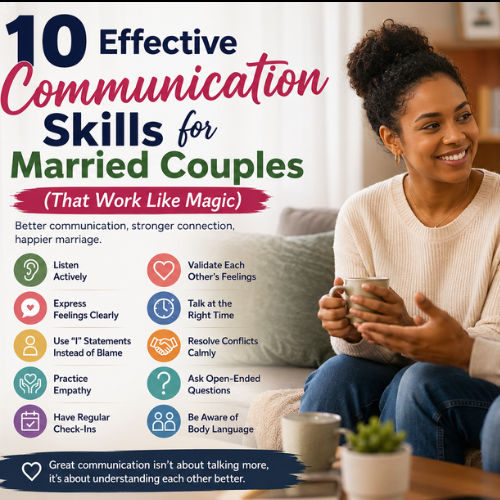
Read: 10 Effective Communication Skills for Married Couples (That Work Like Magic)
Trying to Win Every Argument
Marriage is not a competition.
When one spouse wins and the other loses, the relationship loses.
Instead of asking, “How can I prove I’m right?” ask, “How can we solve this together?”
Approaching conflict as teammates rather than opponents changes the entire atmosphere of difficult conversations.
Avoiding Difficult Conversations
Some couples believe silence keeps the peace.
Unfortunately, avoiding important conversations usually allows frustration to grow beneath the surface. Over time, unresolved issues become larger and more emotionally charged.
Healthy couples address concerns with honesty, kindness, and respect instead of pretending they do not exist.
Forgetting to Express Appreciation
Many spouses naturally notice what their partner forgot to do while overlooking everything they did well.
Gratitude strengthens communication because it reminds both people that they are valued. Never underestimate the impact of saying “thank you,” “I appreciate you,” or “I’m proud of you.”
Consistent appreciation creates an atmosphere where positive communication becomes the norm rather than the exception.
Frequently Asked Questions (FAQ)
Do communication exercises really help married couples?
Yes. Communication exercises help couples build healthier habits by encouraging active listening, empathy, honesty, and emotional connection. While they are not an instant solution, practicing them consistently can significantly improve the quality of conversations and reduce misunderstandings over time.
How often should married couples practice communication exercises?
I recommend practicing at least one communication exercise every day, even if it only takes 10 to 15 minutes. Consistency is more important than spending hours trying to fix everything at once. Small daily efforts often produce lasting results.
What if my spouse is not interested in trying these exercises?
Start by leading through your own actions rather than pressure. Improve the way you communicate, listen more carefully, and show appreciation consistently. Positive changes in your own communication often encourage your spouse to participate naturally. If communication problems continue to affect your marriage, seeking guidance from a qualified marriage counselor can also be beneficial.
Which communication exercise is best for newly married couples?
The Daily 15-Minute Check-In is one of the best starting points. It helps couples develop the habit of talking openly before poor communication patterns have time to develop. Pairing it with daily appreciation can also strengthen emotional intimacy from the beginning of marriage.
Can communication exercises help after years of marriage?
Absolutely. Couples who have been married for many years can still strengthen their relationship through intentional communication. It is never too late to improve listening skills, rebuild emotional intimacy, and create healthier conversation habits.
How long does it take to see improvement?
Every marriage is different, but many couples begin noticing positive changes within a few weeks of practicing consistently. Greater trust, fewer misunderstandings, and more meaningful conversations often develop gradually as new communication habits replace old ones.
Conclusion
Every strong marriage is built one conversation at a time. Love may bring two people together, but healthy communication is what helps them grow together through every season of life.
The 15 communication exercises for married couples shared in this guide are not complicated techniques reserved for relationship experts. They are practical habits that any couple can begin using today. Whether you have been married for six months or several decades, improving the way you communicate can strengthen trust, deepen emotional intimacy, and make everyday life more enjoyable.
Remember that lasting change does not happen overnight. Some conversations will still be challenging, and there will be moments when old habits return. What matters most is your commitment to learning, listening, and growing together. Every honest discussion, every thoughtful question, and every moment spent understanding your spouse is an investment in the future of your marriage.
I encourage you to choose one or two communication exercises from this article and begin practicing them this week. As these small habits become part of your daily routine, you may be surprised by how much closer you and your spouse become. The strongest marriages are not built on perfect communication—they are built on two people who are willing to keep learning how to communicate with love, patience, and respect.

Daniel Master is a relationship and marriage writer passionate about helping readers build healthier relationships, stronger marriages, and more meaningful connections. Through practical advice, thoughtful insights, and fresh perspectives on weddings and modern relationships, Daniel creates easy-to-understand content designed to help readers make confident decisions in love and life.