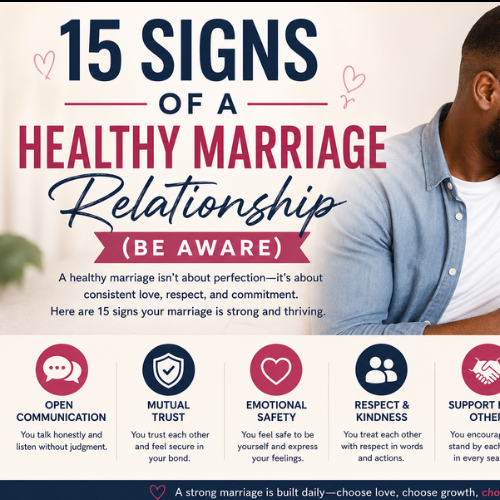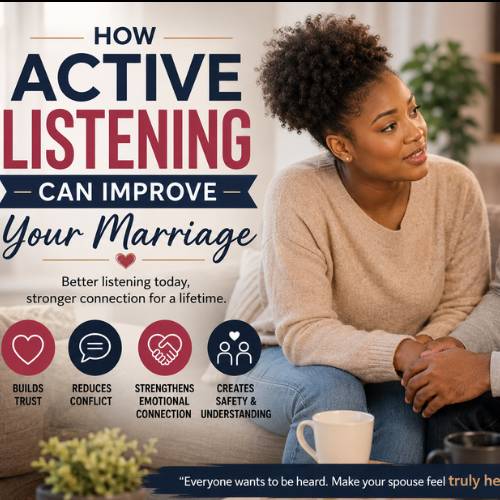
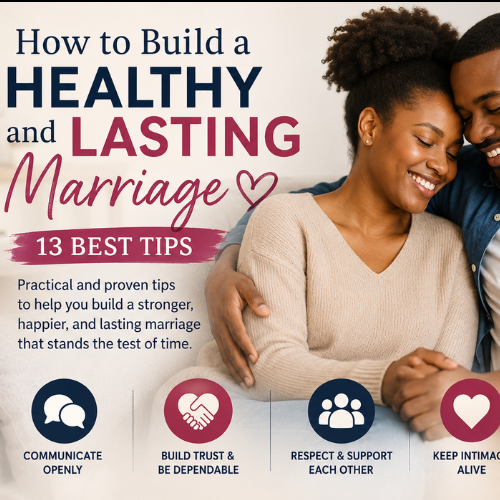
A healthy and lasting marriage is not something that happens by chance. In my experience working with couples and observing long-term relationships, I have learned that strong marriages are built intentionally through consistent effort, emotional awareness, and mutual respect. Many people enter marriage believing love alone is enough, but real life quickly proves otherwise.
The truth is, love is the starting point, not the foundation. What keeps a marriage alive through challenges, change, and pressure is how both partners choose to grow together over time. That is exactly what this guide on how to build a healthy and lasting marriage: 13 best tips is designed to help with.
If you are looking for practical, real-world guidance—not just theory—you are in the right place. I will walk through the exact principles that strengthen marriages and help couples stay connected for years, even decades.
Why Healthy Marriages Don’t “Just Happen”
One of the biggest misconceptions I see is the belief that good marriages are effortless. In reality, every strong marriage requires maintenance, just like anything valuable. Without care, communication breaks down, emotional distance grows, and misunderstandings start to pile up.
Healthy marriages don’t happen automatically because two people are in love. They happen because two people continuously choose patience, understanding, and growth even when it is uncomfortable. Over time, small habits either strengthen or weaken the relationship.
I have noticed that couples who thrive long-term are not the ones who never struggle. Instead, they are the ones who learn how to handle struggles without damaging their connection. That mindset shift alone can completely transform a relationship.
Now, let’s go into the practical steps that truly make a difference.
1. Build a Strong Foundation of Friendship
Before anything else, a lasting marriage is built on friendship. Romantic attraction may bring two people together, but friendship is what keeps them emotionally connected over time. I always encourage couples to ask themselves: “Do I genuinely enjoy spending time with my partner even when romance is not the focus?”
Friendship in marriage means laughing together, sharing everyday thoughts, and feeling emotionally safe with each other. It is about being able to talk freely without fear of judgment.
When friendship is strong, conflicts become easier to navigate because both partners still like and respect each other, even during disagreements. Without it, even small problems can feel emotionally heavy.
2. Prioritize Open and Honest Communication
Communication is the backbone of any healthy relationship. I have seen many marriages struggle not because of lack of love, but because of unspoken feelings and misunderstood intentions.
Open communication means expressing thoughts clearly without assuming your partner can “read your mind.” It also means learning to listen with the intention to understand, not just respond.
A practical habit I often recommend is setting aside intentional time to talk without distractions. This could be a simple daily check-in or weekly conversation where both partners share how they are feeling emotionally, mentally, and even physically.
Honesty is equally important. Avoiding difficult conversations may feel easier in the short term, but it creates emotional distance over time.
3. Learn How to Handle Conflict the Right Way
Conflict is not a sign of failure in marriage. In fact, it is completely normal. What matters most is how conflict is handled.
In healthy marriages, disagreements are approached as problems to solve together, not battles to win. I have observed that couples who argue respectfully tend to grow stronger after conflict, while those who attack each other emotionally tend to grow apart.
Some helpful approaches include:
- Focusing on the issue, not personal attacks
- Taking breaks when emotions are too intense
- Returning to the conversation with a calmer mindset
The goal is never to avoid conflict, but to manage it in a way that preserves respect and emotional safety.
4. Practice Emotional Intelligence in Your Relationship
Emotional intelligence is one of the most underrated aspects of a lasting marriage. It involves understanding your own emotions as well as recognizing and responding to your partner’s feelings in a healthy way.
I often tell couples that emotional awareness can prevent many unnecessary arguments. For example, instead of reacting immediately in frustration, taking a moment to understand why you feel triggered can change the entire outcome of a conversation.
Equally important is empathy—being able to step into your partner’s emotional experience even if you do not fully agree with it. This creates deeper emotional connection and reduces misunderstandings.
5. Never Stop Dating Each Other
One mistake many couples make is assuming that dating ends after marriage. In reality, emotional connection needs ongoing effort.
Continuing to “date” your spouse means intentionally creating moments of connection. This could be simple activities like going out for dinner, taking evening walks, or even spending uninterrupted time at home together.
The purpose is not luxury or expense, but presence. When couples continue to prioritize quality time, they maintain emotional closeness and prevent routine from turning into emotional distance.
Even small consistent efforts often matter more than occasional grand gestures.
6. Set Healthy Boundaries as a Couple
Boundaries are often misunderstood in marriage, yet they are one of the clearest signs of a healthy relationship. A boundary is not a wall that separates partners; it is a respectful agreement that protects individuality, emotional safety, and mutual respect.
In my experience, couples who struggle with resentment often lack clear boundaries. For example, one partner may feel overwhelmed by constant interference from extended family, or another may feel emotionally drained because personal space is not respected.
Healthy boundaries might include how time is spent with friends, how finances are handled, or how disagreements are discussed in front of others. The goal is not control, but clarity.
When boundaries are respected, both partners feel secure enough to stay emotionally open without fear of being overstepped or ignored.
7. Develop Trust Through Consistent Actions
Trust is not built through words alone; it is built through consistency over time. Many people think trust is broken only by major betrayals, but in reality, it can also weaken through repeated small disappointments.
I often explain trust as something that is earned daily. Keeping promises, being emotionally dependable, and showing up when it matters are what strengthen trust in marriage.
For example, if a partner consistently follows through on commitments—whether it is being on time, managing responsibilities, or being emotionally present—trust naturally deepens. On the other hand, inconsistency creates doubt, even if love is present.
A lasting marriage depends on the feeling that both partners can rely on each other, not just in good times but especially during stressful moments.
8. Keep Intimacy and Affection Alive
Intimacy in marriage goes far beyond physical connection. It includes emotional closeness, affection, and the ability to feel deeply connected even in silence.
Over time, life responsibilities can reduce intimacy if couples are not intentional about maintaining it. I have seen many relationships where love still exists, but emotional and physical closeness slowly fades due to neglect.
Simple acts of affection—holding hands, kind words, hugs, or thoughtful gestures—can significantly strengthen connection. Emotional intimacy also grows when partners feel safe sharing fears, dreams, and vulnerabilities without judgment.
A strong marriage maintains both emotional and physical closeness, not as a routine obligation, but as a shared expression of care.
9. Support Each Other’s Personal Growth
A healthy marriage does not limit individuality; it encourages it. One of the strongest signs of a lasting relationship is when both partners are growing, not stagnating.
I often remind couples that marriage is not about becoming identical—it is about growing together while still remaining unique individuals. Supporting each other’s personal goals, education, career ambitions, or passions strengthens respect and admiration in the relationship.
For example, if one partner decides to pursue further education or start a business, the other should act as a source of encouragement rather than resistance. Growth should feel shared, not threatening.
When both individuals evolve positively, the marriage becomes stronger because each partner continues to bring something new and valuable into the relationship.
10. Manage Finances as a Team
Money is one of the most common sources of tension in marriage. However, financial stress is often not about the amount of money, but about communication, expectations, and trust.
A strong marriage treats finances as a shared responsibility. This does not always mean combining everything completely, but it does mean transparency and mutual agreement on financial decisions.
I have seen couples benefit greatly from simple practices such as:
- Setting monthly financial goals together
- Discussing major purchases before making them
- Being honest about income, debts, and spending habits
Financial teamwork builds trust and reduces misunderstandings. When both partners feel involved and respected in financial matters, it creates a sense of stability and shared direction.
11. Learn the Power of Forgiveness
No marriage is free from mistakes. What separates strong marriages from struggling ones is the ability to forgive and move forward without holding onto resentment.
Forgiveness does not mean ignoring hurt or pretending nothing happened. Instead, it means choosing to release bitterness so the relationship can heal and grow.
I have observed that couples who struggle to forgive often carry emotional baggage that slowly weakens their bond. On the other hand, couples who practice forgiveness create space for healing and renewal.
Forgiveness is a decision made repeatedly, not a one-time event. It is one of the most powerful tools for long-term emotional stability in marriage.
12. Protect Your Marriage from External Pressures
Every marriage faces external influences—family opinions, friends, social media expectations, or work stress. Without boundaries, these pressures can slowly interfere with the relationship.
I always advise couples to prioritize their marriage above outside opinions. This does not mean isolating from others, but it does mean making joint decisions based on what works best for the relationship.
A strong marriage has a clear “we decide together” mindset. When external voices become too loud, confusion and conflict often follow.
Protecting the relationship means choosing unity over outside interference and ensuring that both partners remain aligned in values and decisions.
13. Keep Shared Goals and Vision for the Future
One of the most powerful ways to maintain a lasting marriage is to have a shared direction. Couples who know where they are going together tend to stay more connected emotionally and mentally.
Shared goals can include financial plans, family planning, travel dreams, career ambitions, or lifestyle choices. The key is not the size of the goal, but the sense of teamwork it creates.
I have seen relationships become stronger simply because partners regularly talk about their future and adjust their plans together. It creates excitement, purpose, and emotional alignment.
When both individuals feel they are building the same future, the marriage becomes more intentional and resilient.
Conclusion: Building a Marriage That Truly Lasts
A healthy and lasting marriage is built through consistent effort, emotional awareness, and shared commitment. There is no perfect formula, but there are clear principles that consistently lead to strong relationships.
From communication and trust to forgiveness and shared vision, every element plays a role in shaping the strength of a marriage. The most important truth I have learned is that lasting marriages are not created by chance—they are created by choice, repeated daily.
If both partners remain committed to growing together, handling challenges with respect, and protecting their connection, the relationship can not only survive but thrive for years to come.

Daniel Master is a relationship and marriage writer passionate about helping readers build healthier relationships, stronger marriages, and more meaningful connections. Through practical advice, thoughtful insights, and fresh perspectives on weddings and modern relationships, Daniel creates easy-to-understand content designed to help readers make confident decisions in love and life.