Choosing a wedding venue is one of the most important decisions in the entire wedding planning journey. From my experience working with couples, I’ve seen that the venue quietly controls almost everything else—your budget distribution, décor style, guest experience, and even the overall emotional feel of the day.
When people search for “how to choose the perfect wedding venue for your budget,” what they are really trying to solve is a deeper problem: how to avoid overspending while still creating a beautiful, meaningful celebration. The truth is, your venue is not just a backdrop. It is the foundation your entire wedding is built on.
A well-chosen venue makes planning easier and reduces stress. A poorly chosen one, however, can stretch your budget, limit your creativity, and force compromises you didn’t anticipate. That is why this decision deserves clarity, not pressure or impulse.
Understanding Your Wedding Vision and Guest Expectations
Before comparing prices or booking tours, I always recommend that couples define their wedding vision first. This step is often skipped, but it is the reason many people struggle with overspending or indecision later on.
Your wedding vision is the emotional and visual direction of your day. It includes your preferred atmosphere, theme, and level of formality. For example, some couples imagine a soft, intimate garden ceremony, while others want a glamorous ballroom celebration with dramatic lighting and luxury details. Both are valid, but they come with very different costs and venue requirements.
Guest experience is another important layer. A venue that looks beautiful online may not work well for your actual guest list. Comfort, accessibility, seating capacity, parking, and layout all influence how your guests will feel throughout the event.
I usually advise couples to clearly define three things at this stage. First, the emotional tone they want the wedding to have. Second, the estimated number of guests. Third, the overall style they are naturally drawn to.
When these three elements are clear, choosing a venue becomes significantly easier because you can immediately eliminate anything that doesn’t align.
Setting a Realistic Wedding Venue Budget
Budgeting for a wedding venue is where many couples either gain control or lose direction. I’ve noticed that the most common mistake is choosing a venue emotionally before understanding what it truly costs to maintain.
A smart approach is to start with your total wedding budget and then decide what portion should realistically go to the venue. In many weddings, the venue and catering together take the largest share of the budget, so this decision shapes everything else.
To make this easier, I encourage couples to break venue costs into clear categories. The first is the base rental fee, which is the cost of the space itself. The second is essential services like seating, tables, lighting, or sound systems. The third is additional charges such as cleaning fees, overtime, or security.
This breakdown helps reveal the true cost of a venue. Many couples get surprised later because they only focus on the base price without considering the full package.
Flexibility also plays a big role in staying within budget. If a venue feels slightly above your range, small adjustments can make it work. Choosing an off-peak date, reducing guest count, or selecting a weekday celebration can significantly reduce overall expenses without sacrificing quality.
Types of Wedding Venues to Consider (and Their Cost Differences)
Understanding different venue types is essential when learning how to choose the perfect wedding venue for your budget. Each type of venue comes with a different cost structure and level of flexibility, and knowing this helps you avoid unrealistic expectations.
Hotels and banquet halls are often the most structured option. They usually offer bundled packages that include catering, basic décor, and coordination services. While the upfront cost may seem higher, the convenience often reduces the need for multiple external vendors.
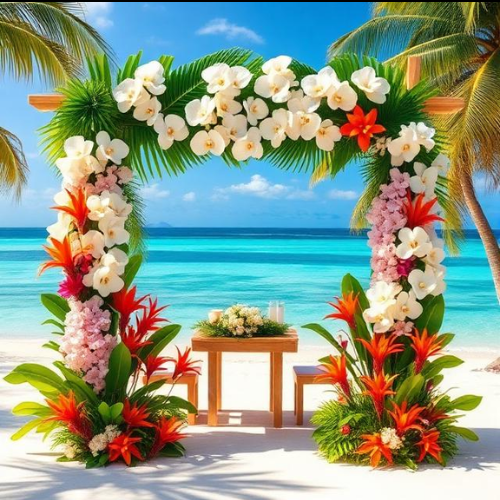
Outdoor venues such as gardens, beaches, or vineyards offer natural beauty that can reduce decoration costs. However, they often require additional spending on rentals like tents, lighting, flooring, and weather backup arrangements. These hidden costs can quickly add up if not planned properly.
Rustic venues, including barns and private estates, offer charm and flexibility. They usually start at a lower rental price, but because they are less structured, couples often need to bring in more external vendors, which increases the total budget.
Destination venues provide a unique and memorable experience, but they come with additional expenses such as travel, accommodation, and extended event logistics. These venues are often chosen for emotional value rather than cost efficiency.
Each venue type has its advantages and limitations, and the key is not to choose the cheapest or most expensive option, but the one that aligns best with both your vision and financial comfort.
How to Shortlist Venues Based on Your Budget
Once your vision and budget are clear, the next step is narrowing down your options. I always recommend starting wide and then filtering strategically rather than falling in love with a single venue too early.
A practical method is to divide potential venues into three groups. The first group includes ideal matches that fit both your budget and vision perfectly. The second group includes flexible options that may require slight adjustments but are still realistic. The third group includes backup options that fit your budget but may not fully align with your vision.
This structure prevents emotional decision-making and helps you stay objective throughout the process.
It is also important not to rely only on online images. Photos can be misleading when it comes to space size, lighting, and atmosphere. Visiting venues in person gives you a clearer understanding of how the space actually feels and functions.
Many couples only realize layout issues or lighting challenges after booking, which is why in-person visits are a critical part of shortlisting.
Key Factors That Affect Wedding Venue Pricing
Wedding venue pricing is influenced by several important factors, and understanding them helps you make smarter financial decisions.
Location is one of the biggest pricing factors. Venues in central or high-demand areas tend to cost more than those in suburban or rural locations. Accessibility and prestige often increase value.
Seasonality also plays a major role. Peak wedding seasons usually come with higher rates, while off-season bookings often offer better flexibility and discounts. Even shifting your wedding by a few weeks can impact pricing significantly.
Guest capacity affects cost as well. Larger venues require more space, staff, and resources, which increases the total price. Even small changes in guest numbers can affect your final budget more than expected.
Finally, included services matter greatly. Some venues provide full packages with catering, furniture, and coordination, while others only offer space rental. What looks cheaper at first may require additional vendors, increasing overall expenses.
Understanding these pricing factors helps you make decisions based on clarity rather than emotion, which is essential when planning a wedding within budget.
Questions to Ask Before Booking a Wedding Venue
Once a venue looks like a strong contender, the next step is asking the right questions before committing. From experience, I can say this is where many couples either protect their budget or unknowingly create future stress. A venue can look perfect during a tour, but the details in the contract and policies are what truly determine whether it fits your budget.
I always advise couples to ask about what is included in the base price. Some venues include chairs, tables, lighting, and basic décor, while others only provide the empty space. This difference alone can significantly affect your total spending once you start renting external items.
It is also important to ask about time restrictions. Some venues charge extra for overtime or have strict time windows for setup and breakdown. These small details often lead to unexpected costs if not clarified early.
Another key question is whether you are allowed to bring external vendors. Some venues require in-house catering or approved vendors only, which can limit your flexibility and affect pricing.
Finally, ask about payment structure and deposit terms. Understanding when payments are due helps you manage cash flow and avoid financial pressure closer to the wedding date.
Hidden Costs You Should Watch Out For
Hidden costs are one of the biggest reasons couples go over budget when choosing a wedding venue. I’ve seen many situations where the initial quote seemed reasonable, but the final bill told a completely different story.
One common hidden cost is service charges. These are often added as a percentage of the total bill and may not be clearly highlighted during the initial discussion. Taxes can also significantly increase the final amount depending on the venue location.
Another frequently overlooked expense is setup and breakdown fees. Some venues charge separately for preparing the space before the event and cleaning it afterward. These costs can quietly add up if you are not aware of them.
Security, parking, and electricity charges are also common. Outdoor and large venues especially may require additional staffing or generators, which are rarely included in the base price.
Decoration restrictions can also lead to extra spending. If a venue limits what you can bring in, you may end up paying more for their in-house décor services or approved vendors.
Understanding these hidden costs helps you evaluate a venue more realistically instead of relying on the initial price alone.
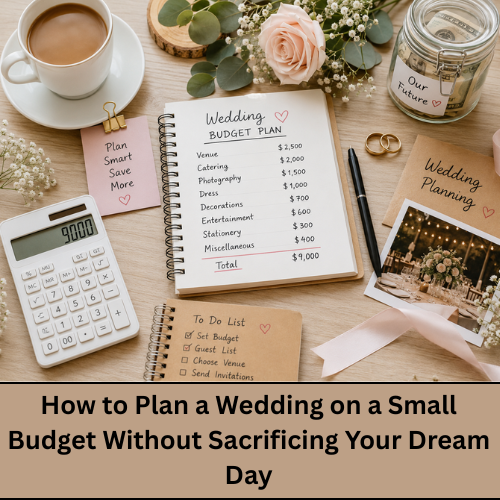
Read: How to Plan a Wedding on a Small Budget Without Sacrificing Your Dream Day
Tips for Getting the Best Value Without Compromising Quality
Getting the best value from a wedding venue is not about choosing the cheapest option. It is about maximizing what you get for what you spend. I always encourage couples to think in terms of value, not just price.
One of the most effective strategies is flexibility with your wedding date. Weekday weddings or off-season bookings often come with better pricing and more availability. Many venues offer discounts during less busy periods.
Another practical approach is adjusting guest count. Even a small reduction in guests can open up better venue options or reduce the need for larger, more expensive spaces.
I also recommend focusing on venues that already match your aesthetic. The more a venue aligns with your natural vision, the less you need to spend on décor and transformation.
Negotiation is another overlooked tool. Many couples assume prices are fixed, but in reality, some venues are open to package adjustments, especially if you are flexible with dates or services.
Finally, always compare at least three venues before making a final decision. This gives you perspective on pricing, inclusions, and value differences, helping you make a more informed choice.
Common Mistakes Couples Make When Choosing a Wedding Venue
Choosing a wedding venue is emotional, and that is exactly why mistakes happen. I’ve seen patterns repeat across many couples, and avoiding them can save both money and stress.
One of the biggest mistakes is choosing a venue based on photos alone. Online images often highlight the best angles and lighting, which can be very different from real-life conditions.
Another common mistake is booking too quickly after a single visit. While excitement is natural, rushing this decision often leads to regret when better or more affordable options are discovered later.
Many couples also underestimate guest count. Choosing a venue that is too small or too large creates unnecessary costs and compromises comfort.
Ignoring hidden fees is another major issue. Couples often focus only on the base price and forget to account for additional charges like taxes, service fees, or vendor restrictions.
Finally, many people fail to read contracts carefully. Venue agreements often include strict policies that can affect flexibility, timing, and overall budget.
Being aware of these mistakes helps you approach the process more strategically and confidently.
Final Checklist Before You Make Your Decision
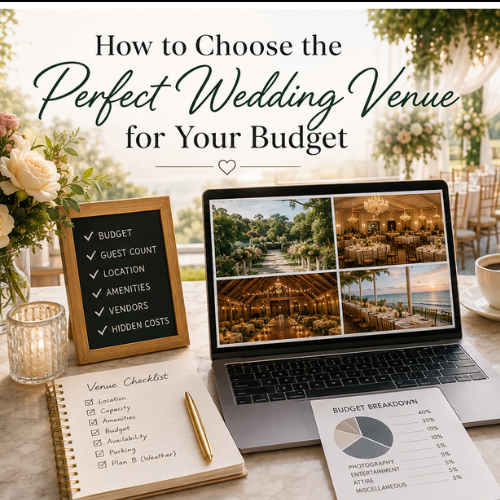
Before confirming any venue, I always recommend using a simple but thorough checklist to ensure nothing is overlooked. This step brings clarity and prevents last-minute surprises.
Start by confirming that the venue fits comfortably within your total budget, including all additional costs. If it only fits the base price but not the full cost, it may not be the right choice.
Next, review whether the venue supports your guest count without feeling overcrowded or too empty. Space balance is important for both comfort and aesthetics.
Check what is included in the package and compare it with your actual needs. If too many essential items are missing, the hidden costs may outweigh the benefits.
Also confirm the venue’s policies on vendors, timing, and decorations. Flexibility in these areas can significantly improve your planning experience.
Finally, ensure that the venue aligns with your original wedding vision. If it meets your budget but not your emotional expectation, it may not be the right long-term choice.
Conclusion: Balancing Dream Venue and Financial Reality
Choosing the perfect wedding venue within your budget is ultimately about balance. I always remind couples that the goal is not perfection on paper, but a meaningful experience that feels right both emotionally and financially.
When you clearly define your vision, understand your budget, compare venue types, and stay aware of hidden costs, the decision becomes much easier. Instead of feeling overwhelmed by options, you begin to see patterns that guide you naturally toward the right choice.
A wedding venue should support your celebration, not stress your finances. When chosen wisely, it becomes the foundation of a beautiful day that feels intentional, memorable, and financially responsible.

Daniel Master is a relationship and marriage writer passionate about helping readers build healthier relationships, stronger marriages, and more meaningful connections. Through practical advice, thoughtful insights, and fresh perspectives on weddings and modern relationships, Daniel creates easy-to-understand content designed to help readers make confident decisions in love and life.