Planning a wedding is exciting, but it can also feel overwhelming once you start seeing the prices of venues, catering, dresses, flowers, and photography. It’s easy to assume that a memorable wedding requires a huge budget, yet that simply isn’t true. Some of the most meaningful celebrations I’ve seen weren’t defined by extravagant spending but by thoughtful planning, smart financial decisions, and a clear focus on what truly mattered to the couple.
Learning how to plan a wedding on a small budget isn’t about settling for less. It’s about spending intentionally, avoiding unnecessary expenses, and finding creative ways to make every dollar count. Whether you’re planning a small backyard ceremony, a simple courthouse wedding followed by a reception, or a traditional celebration with limited funds, careful planning allows you to create a beautiful experience without starting married life under financial pressure.
Another common misconception is that a budget wedding has to look cheap. In reality, guests remember the atmosphere, the emotions, and the people far more than expensive centerpieces or luxury venues. By focusing on meaningful details instead of costly trends, you can create a celebration that feels elegant, personal, and unforgettable.
This guide walks through practical strategies that help reduce wedding costs while maintaining style and quality. From creating a realistic budget to choosing affordable venues and managing your guest list, each decision plays an important role in keeping your finances under control without compromising your vision.
Determine Your Total Wedding Budget
Every successful budget wedding begins with one important question: exactly how much can you comfortably afford to spend?
Many couples make the mistake of choosing a venue or booking vendors before establishing a spending limit. Unfortunately, this often leads to unexpected costs, unnecessary debt, and difficult compromises later in the planning process.
Instead, start by calculating the total amount available for your wedding. Consider savings you’ve already set aside, contributions from family members if they’ve been confirmed, and the amount you’re personally comfortable spending without affecting your financial stability after the wedding.
Avoid basing your budget on expected gifts from guests. Wedding gifts should always be viewed as thoughtful surprises rather than guaranteed income that offsets expenses.
Once you’ve established your overall budget, write it down and commit to treating it as your spending ceiling rather than a flexible target. This mindset makes every future decision much easier because you’ll evaluate every purchase based on whether it fits within your financial plan.
For example, if your total wedding budget is $8,000, every vendor, decoration, outfit, and service should fit comfortably within that amount. If a photographer costs $3,500, you’ll immediately recognize that the expense consumes nearly half your budget and may require sacrifices elsewhere.
Having clear numbers from the beginning helps eliminate emotional spending, which is one of the biggest reasons wedding costs spiral out of control.
Prioritize What Matters Most
One of the smartest ways to plan a wedding on a small budget is to accept that not every element deserves equal financial attention.
Every couple values different parts of their wedding. Some care deeply about photography because the images last forever. Others dream about incredible food, while many simply want an intimate ceremony surrounded by close family and friends.
Spend some time discussing your priorities together.
Ask yourselves questions like:
- What part of the wedding will we remember most?
- What experiences matter more than decorations?
- Which expenses could we reduce without disappointment?
Imagine two couples with identical budgets of $10,000.
The first couple spends nearly half their budget decorating an expensive ballroom but hires an inexperienced photographer. Years later, they have very few quality photographs to remember the day.
The second couple chooses a beautiful public garden for the ceremony, keeps decorations simple, and invests more in photography. Although their venue costs much less, they preserve lasting memories through stunning photographs.
Neither choice is wrong, but understanding priorities helps ensure your money supports what matters most.
This approach also makes it easier to say no when social media or wedding trends encourage unnecessary spending.
Remember that your wedding should reflect your relationship, not someone else’s expectations.
Create a Realistic Guest List
Your guest list influences almost every major wedding expense.
Every additional guest often increases costs for catering, seating, invitations, table settings, favors, beverages, transportation, and even venue size.
Many couples discover that reducing their guest count by just twenty or thirty people can save thousands of dollars.
Instead of feeling obligated to invite everyone you’ve ever met, focus on the people who genuinely play an important role in your life.
A helpful way to simplify your guest list is by creating three categories:
- Immediate family and closest friends
- Extended family and good friends
- Acquaintances, coworkers, and distant relatives
Invite the first group first.
If your budget allows additional guests afterward, continue down your list rather than trying to include everyone from the beginning.
Another effective strategy is limiting plus-ones unless guests are married, engaged, or in long-term relationships.
Small weddings often create warmer, more meaningful experiences because couples spend quality time with each guest instead of briefly greeting hundreds of people throughout the day.
Many couples who initially worried about having fewer guests later admit they enjoyed the intimate atmosphere far more than a larger celebration.
Choose an Affordable Wedding Venue
The venue is often the single largest wedding expense, making it one of the best opportunities to save money.
Luxury hotels and dedicated wedding venues usually include premium pricing because they specialize in weddings. While they offer convenience, they’re not the only option available.
Many beautiful locations cost significantly less while providing just as much charm.
Affordable venue ideas include:
- Public gardens
- Community halls
- Local parks
- Family backyards
- Historic buildings
- Small art galleries
- Libraries with event spaces
- Beaches where permits allow ceremonies
- Farms or orchards
- Restaurants with private dining rooms
An intimate wedding inside a thoughtfully designed art gallery, for example, often requires very little additional decoration because the artwork itself creates visual interest and atmosphere. Rather than spending thousands transforming a blank ballroom, the existing surroundings become part of the experience.
Scheduling also affects venue pricing.
Friday evenings, Sundays, weekday weddings, and off-season dates frequently come with substantial discounts compared to peak Saturday weddings during spring or early autumn.
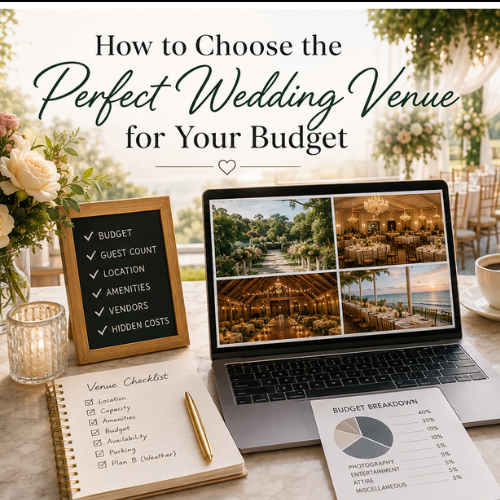
When comparing venues, always ask exactly what’s included.
Some locations provide:
- Tables
- Chairs
- Linens
- Setup and cleanup
- Parking
- Sound systems
- Lighting
- Bridal suites
A venue with a higher rental fee may actually save money if it includes services you’d otherwise rent separately.
Pick a Budget-Friendly Wedding Date
Timing plays a surprisingly large role in wedding costs.
Peak wedding season generally brings higher prices because venues and vendors receive greater demand. Choosing a less competitive date can significantly reduce expenses without affecting the quality of your celebration.
Winter weddings, early spring ceremonies, and late autumn receptions often offer better availability and lower pricing.
Likewise, weekday weddings have become increasingly popular among couples looking to maximize their budgets.
Some venues offer discounts reaching 20% to 50% simply because demand is lower outside traditional Saturday schedules.
If your family and close friends are flexible, selecting a Friday evening or Sunday afternoon wedding could free up enough money to upgrade another part of your celebration without increasing your overall spending.
It’s also worth considering holiday weekends carefully.
Although they may seem convenient, travel expenses and accommodation costs for guests can become more expensive, potentially reducing attendance.
Instead of chasing the “perfect” date, choose one that balances affordability, convenience, and personal significance.
The memories you create together will matter far more than whether your wedding takes place on the most popular weekend of the year.
Save Money on Wedding Attire
Wedding attire often carries emotional significance, but it doesn’t have to consume a large portion of your budget.
Many beautiful wedding dresses cost hundreds rather than thousands of dollars, especially when shopping sample sales, outlet stores, discontinued collections, or pre-owned bridal boutiques.
Some brides even discover designer dresses that have only been worn once and remain in excellent condition.
The same principle applies to suits and tuxedos.
Purchasing a well-tailored suit that can be worn again after the wedding often provides better long-term value than renting an expensive tuxedo for a single day.
Simple alterations can dramatically improve the appearance of affordable clothing.
Proper tailoring creates a polished look regardless of the original price tag.
Accessories also deserve careful consideration.
Rather than purchasing brand-new jewelry, consider borrowing family heirlooms or sentimental pieces from loved ones.
Not only does this reduce costs, but it also adds emotional meaning to your wedding attire.
Remember that confidence, comfort, and proper fit usually make a stronger impression than expensive designer labels.
Guests notice how happy you look far more than the brand inside your dress or suit.
Cut Costs on Food and Drinks
Food and beverages typically represent one of the largest wedding expenses after the venue.
Fortunately, there are numerous ways to provide an enjoyable dining experience without overspending.
One of the simplest strategies is scheduling your wedding outside traditional meal times.
For example, a mid-afternoon ceremony followed by light refreshments usually costs considerably less than serving a formal three-course dinner.
Buffets, food stations, brunch receptions, or family-style meals also tend to be more affordable than individually plated dinners.
Each option creates a relaxed atmosphere while reducing staffing requirements.
Instead of offering a fully stocked open bar throughout the evening, consider alternatives such as:
- Beer and wine only
- Signature cocktails
- Limited bar hours
- Drink vouchers
- Alcohol-free celebration with specialty mocktails
Many guests appreciate quality over quantity.
A carefully crafted menu featuring a few excellent dishes often leaves a stronger impression than an oversized selection designed simply to appear luxurious.
Finally, avoid paying for excessive portions.
Experienced caterers can help estimate realistic serving sizes based on your guest count, preventing unnecessary food waste while keeping costs under control.
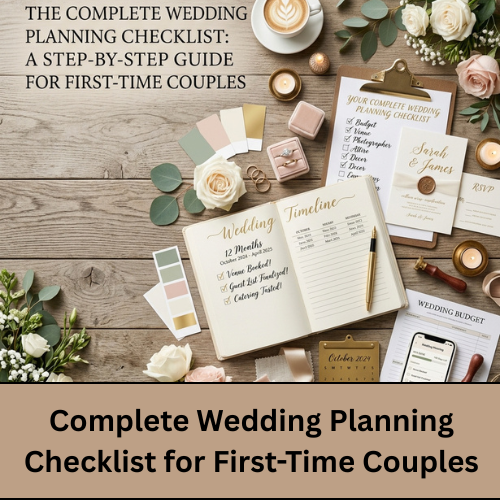
Read: Complete Wedding Planning Checklist for First-Time Couples: Your Easy Steps Guide
Find Affordable Wedding Decorations
Wedding decorations have the power to transform a space, but they are also one of the easiest areas to overspend. It’s tempting to recreate elaborate designs seen on social media, yet many of those weddings have budgets far beyond what the average couple can afford. Fortunately, creating a beautiful atmosphere doesn’t require filling every corner with expensive floral arrangements and luxury décor.
The first step is choosing a venue that already has character. A space with attractive architecture, natural scenery, or artistic features requires far fewer decorations than a plain event hall. Instead of spending thousands trying to create beauty, let your surroundings do much of the work.
Fresh flowers are often one of the biggest decoration expenses. While they are undeniably beautiful, using them strategically can dramatically reduce costs. Focus on high-impact areas such as the ceremony backdrop, bridal bouquet, and reception entrance rather than placing elaborate arrangements on every table.
Mixing fresh flowers with greenery, dried flowers, candles, lanterns, or elegant vases creates a sophisticated look without significantly increasing your budget.
Lighting is another affordable way to elevate your venue.
Warm string lights, candles, fairy lights, and uplighting can completely change the mood of a reception. Soft lighting creates a romantic atmosphere while making even simple decorations appear more elegant.
Repurposing decorations throughout the day is another smart strategy.
For example:
- Ceremony flowers can be moved to the reception.
- Bridesmaid bouquets can double as table centerpieces.
- Welcome signs can become reception décor.
- Ceremony arches can serve as photo backdrops.
Small changes like these reduce duplicate expenses while maintaining a polished appearance.
Remember that guests rarely remember how many flowers decorated each table. They remember how the wedding felt. A warm, welcoming atmosphere always leaves a stronger impression than excessive decoration.
Reduce Photography and Entertainment Expenses
Photography is one area where I generally encourage couples not to choose solely based on price. After the wedding ends, your photographs become one of the few lasting reminders of the day.
That doesn’t mean you need the most expensive photographer in your city.
Instead, look for photographers with strong portfolios who offer packages that match your needs rather than paying for services you won’t use.
For example, if your reception ends at 8 p.m., paying for twelve hours of coverage may not make sense. A six- or eight-hour package may capture everything important while saving a significant amount of money.
Another option is hiring talented photographers who are building their businesses. Many produce outstanding work at more competitive rates because they are still expanding their client base.
When reviewing portfolios, pay close attention to consistency rather than just a few impressive images. Every wedding gallery should demonstrate high-quality work from beginning to end.
Entertainment also deserves careful budgeting.
A live band creates incredible energy, but it often costs several times more than hiring a professional DJ.
If music isn’t the centerpiece of your celebration, a DJ can provide excellent entertainment while keeping expenses under control.
For very small weddings, a carefully prepared playlist with quality speakers may even be enough.
Whatever option you choose, prioritize reliability.
Saving money isn’t worthwhile if poor entertainment negatively affects the atmosphere of your reception.
Save on Wedding Invitations and Favors
Wedding invitations set the tone for your celebration, but they don’t need to be elaborate to make a lasting impression.
Digital invitations have become increasingly popular because they are affordable, environmentally friendly, and convenient for guests.
Many online invitation services offer elegant designs that look polished without the printing and mailing costs associated with traditional invitations.
If you prefer printed invitations, keep the design simple.
High-quality paper with clean typography often looks more elegant than heavily decorated invitations filled with unnecessary embellishments.
Limiting extra inserts, specialty paper, ribbons, and premium envelopes can significantly reduce costs without sacrificing style.
Wedding favors are another expense worth evaluating carefully.
Many favors are left behind at receptions, meaning couples spend hundreds of dollars on items guests never take home.
Instead, consider practical or meaningful alternatives such as:
- Homemade cookies
- Small jars of local honey
- Personalized candles
- Mini succulents
- Packets of flower seeds
You can also choose to skip favors entirely.
A memorable celebration, excellent hospitality, and quality time with loved ones are often the greatest gifts guests receive.
Rather than feeling obligated to provide expensive keepsakes, invest that money where it creates more value for your wedding experience.
DIY Wedding Ideas That Actually Save Money
Do-it-yourself projects can be an excellent way to reduce wedding costs, but they only work when they genuinely save money and time.
One of the biggest mistakes couples make is attempting to DIY everything.
Creating invitations, centerpieces, wedding favors, bouquets, signs, desserts, and decorations all at once can quickly become overwhelming, especially during the final weeks before the wedding.
Instead, focus on projects that are simple, enjoyable, and realistic.
Good DIY options often include:
- Welcome signs
- Seating charts
- Table numbers
- Photo displays
- Guest books
- Wedding favors
- Simple centerpieces
These projects usually require basic materials while allowing you to add personal touches that guests appreciate.
For example, printing childhood photographs of the couple and displaying them throughout the venue costs very little, yet it creates meaningful conversation among guests.
Similarly, handwritten table names inspired by places you’ve traveled together or favorite works of art can add personality without increasing your budget.
However, avoid DIY projects that require professional expertise.
Wedding cakes, large floral installations, catering, or complicated lighting setups often become more stressful and expensive when handled without experience.
Know where your skills add value and where hiring a professional is the wiser investment.
Common Budget Wedding Mistakes to Avoid
Even couples with detailed budgets can accidentally overspend if they aren’t careful.
One of the most common mistakes is failing to track every expense.
Small purchases such as ribbon, candles, signage, postage, beauty appointments, and transportation quickly accumulate. Individually they may seem insignificant, but together they can add hundreds—or even thousands—of dollars to your final budget.
Another mistake is booking vendors before comparing multiple quotes.
Prices often vary considerably between professionals offering similar quality.
Taking time to compare services allows you to identify better value rather than automatically choosing the first option you find.
Avoid making decisions based solely on trends.
Wedding trends change every year, but your photographs will last a lifetime.
Choose timeless designs that reflect your personality instead of following expensive ideas simply because they’re popular online.
It’s equally important to build a contingency fund into your budget.
Unexpected expenses almost always arise.
These might include:
- Last-minute alterations
- Additional décor
- Vendor overtime
- Weather-related changes
- Extra transportation
- Marriage license fees
Setting aside approximately 5% to 10% of your total budget provides peace of mind when surprises occur.
Finally, resist the pressure to compete with other weddings.
Your celebration isn’t a contest.
A meaningful wedding built around your relationship will always be more valuable than an expensive event designed to impress strangers.
Sample Budget Breakdown for a Small Wedding
Every wedding is unique, but seeing how a budget can be allocated helps make financial planning easier.
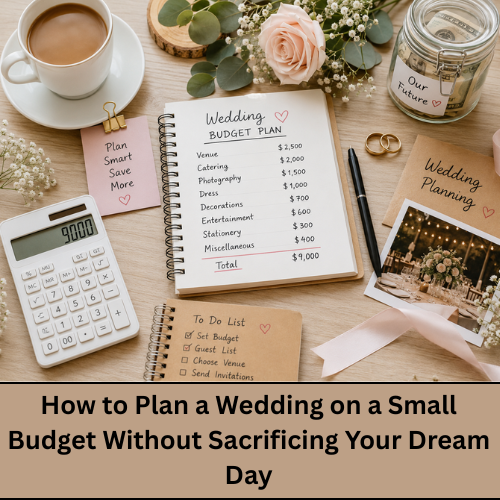
Imagine you’re planning a wedding with a total budget of $10,000.
A balanced breakdown might look like this:
| Expense | Estimated Budget |
|---|---|
| Venue | $2,500 |
| Catering & Drinks | $2,500 |
| Photography | $1,500 |
| Wedding Attire | $1,000 |
| Flowers & Decorations | $700 |
| Entertainment | $600 |
| Invitations & Stationery | $300 |
| Cake | $300 |
| Miscellaneous & Emergency Fund | $600 |
This example isn’t meant to be followed exactly.
Instead, adjust the percentages according to your priorities.
For example, if photography is extremely important to you, you might allocate more money there while reducing your decoration budget.
Likewise, couples hosting a backyard wedding may save substantially on venue costs, allowing them to invest more in food or entertainment.
The key is ensuring every dollar has a purpose before you begin spending.
Frequently Asked Questions
Is $5,000 enough for a wedding?
Yes, especially if you keep the guest list small, choose an affordable venue, prioritize your spending, and avoid unnecessary extras. Many beautiful weddings are planned for $5,000 or less through thoughtful budgeting and careful decision-making.
What is the biggest expense in most weddings?
For most couples, the venue and catering account for the largest share of the wedding budget. Together, they often represent more than half of the total cost, which is why managing these expenses can have the greatest impact on overall spending.
How can I make my wedding look expensive on a budget?
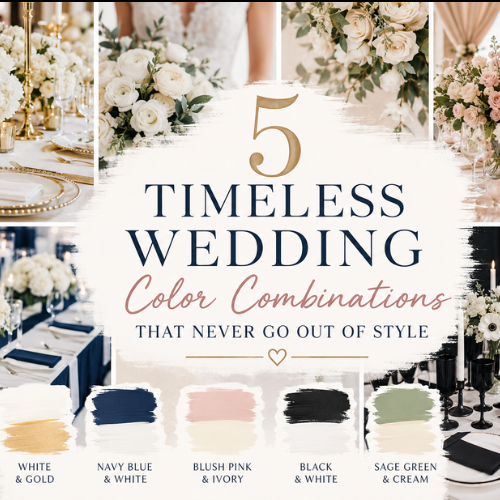
Focus on quality rather than quantity. Elegant lighting, coordinated color palettes, thoughtful table settings, and a clean, uncluttered design often create a luxurious appearance without requiring extravagant spending.
Should I hire a wedding planner if I’m on a small budget?
Not necessarily. Many couples successfully plan their own weddings using checklists and budgeting tools. However, hiring a coordinator for the wedding day itself can be worthwhile if it helps everything run smoothly and reduces stress.
Is a small wedding better than a large wedding?
Neither is inherently better. A small wedding often allows for a more intimate experience, more meaningful conversations with guests, and greater flexibility within a limited budget. The best choice depends on your priorities, finances, and the type of celebration you envision.
Conclusion
Learning how to plan a wedding on a small budget isn’t about cutting corners—it’s about making thoughtful choices that reflect your values instead of outside expectations. Every decision, from your guest list and venue to your decorations and entertainment, offers an opportunity to spend wisely while creating a celebration that feels authentic and memorable.
The most successful budget weddings aren’t remembered because they were inexpensive. They’re remembered because they were filled with genuine joy, meaningful moments, and personal touches that reflected the couple’s story. Guests rarely judge a wedding by its price tag; they remember the love, laughter, and atmosphere they experienced.
As you plan your own wedding, focus on what truly matters to you and your partner. Prioritize the experiences you’ll cherish for years to come, stay committed to your budget, and don’t be afraid to simplify where it makes sense. With careful planning, creativity, and intentional spending, you can celebrate the beginning of your marriage with confidence—without carrying unnecessary financial stress into your future together.

Daniel Master is a relationship and marriage writer passionate about helping readers build healthier relationships, stronger marriages, and more meaningful connections. Through practical advice, thoughtful insights, and fresh perspectives on weddings and modern relationships, Daniel creates easy-to-understand content designed to help readers make confident decisions in love and life.