Planning a wedding for the first time is exciting, emotional, and, if I am being honest, often overwhelming. One moment you are celebrating your engagement, and the next you are surrounded by endless advice, checklists, vendor recommendations, and deadlines that seem impossible to keep track of. It is easy to feel like you are forgetting something important, especially when every wedding seems to have its own unique timeline.
That is exactly why having a complete wedding planning checklist for first-time couples is so valuable. Instead of guessing what should happen next, a structured checklist helps you move through every stage of wedding planning with confidence. Rather than reacting to problems at the last minute, you stay organized and make thoughtful decisions that fit your budget, priorities, and vision.
After working closely with weddings and observing countless celebrations come together, I have found that successful weddings are rarely the result of luck. They are the result of careful planning, realistic expectations, and making important decisions at the right time. Couples who follow a clear plan often enjoy the engagement process far more than those who try to remember everything without a roadmap.
This guide walks through each stage of the planning process in the order that makes the most sense. Whether you are planning a large traditional wedding, a small intimate ceremony, or something in between, this checklist will help you stay on track from the day you get engaged until your wedding day.
Why Every First-Time Couple Needs a Wedding Planning Checklist
Many couples underestimate just how many moving parts are involved in planning a wedding. Booking a venue is only one piece of the puzzle. You also need to coordinate vendors, manage invitations, organize transportation, choose attire, plan the ceremony, finalize decorations, create a reception timeline, and prepare for unexpected situations.
Without a checklist, it becomes surprisingly easy to miss important deadlines. Some vendors are booked more than a year in advance, while others require final decisions only a few weeks before the ceremony. Missing these windows can increase costs or limit your options.
A wedding planning checklist also helps reduce unnecessary stress. Instead of worrying about everything at once, you only focus on the tasks that belong to your current planning stage. This makes the entire experience feel much more manageable.
For example, imagine two newly engaged couples.
The first couple immediately starts shopping for wedding decorations before choosing a venue. Months later, they discover the venue’s style does not match the decorations they already purchased, forcing them to spend more money replacing many items.
The second couple follows a detailed checklist. They first establish their budget, select the venue, determine their wedding theme, and only then purchase decorations that complement the location. Their planning feels organized, and they avoid unnecessary expenses.
This simple difference demonstrates why following the proper order matters just as much as completing each task.
A complete wedding planning checklist also improves communication between partners. Instead of one person carrying the entire planning process, both individuals know what has already been completed and what still needs attention. That creates less confusion and fewer disagreements throughout the engagement.
12+ Months Before the Wedding: Build the Foundation
The earliest stage of wedding planning lays the groundwork for every decision that follows. Although your wedding may still be over a year away, this is when the biggest decisions should happen.
The first priority is celebrating your engagement before immediately jumping into planning mode. Give yourselves time to enjoy this special milestone. Wedding planning is a marathon, not a sprint.
Once you are ready to begin, start discussing your shared vision for the wedding. This conversation should cover much more than colors or flowers.
Talk about questions such as:
- Do you want a large celebration or an intimate gathering?
- Would you prefer an indoor or outdoor venue?
- Is a destination wedding appealing?
- What atmosphere do you imagine—formal, elegant, rustic, modern, or relaxed?
- Which traditions matter most to both families?
Having these conversations early prevents misunderstandings later in the planning process.
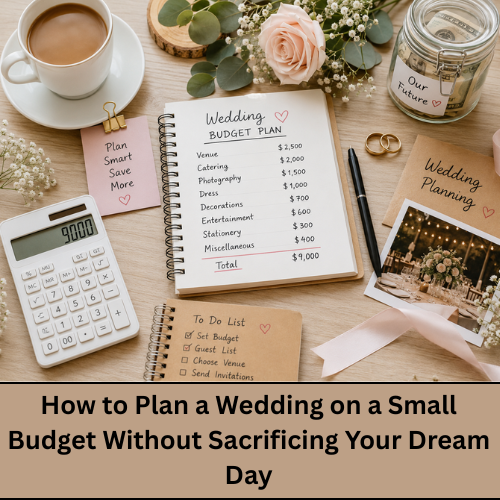
Next, establish your wedding budget.
This may not be the most exciting discussion, but it is one of the most important. Your budget influences nearly every decision you make, from the venue you select to the number of guests you invite.
Create categories for your spending, including:
- Venue
- Catering
- Photography
- Videography
- Wedding attire
- Flowers
- Entertainment
- Decorations
- Transportation
- Stationery
- Emergency expenses
Including an emergency fund is especially helpful because unexpected costs almost always appear during wedding planning.
After setting the budget, begin drafting your guest list.
You do not need every name finalized yet, but having an estimated guest count helps narrow down suitable venues. A venue designed for 80 guests may not comfortably accommodate 180 people.
Many first-time couples discover that their guest list grows faster than expected once both families begin making suggestions. Starting with a preliminary list gives you flexibility before making final decisions.
Choosing your wedding date comes next.
Instead of selecting a date based solely on personal preference, consider practical factors like weather, local holidays, vendor availability, travel convenience for guests, and seasonal pricing.
For example, many venues charge premium prices during peak wedding seasons, while off-season dates often provide better availability and lower costs.
One of the most important tasks during this phase is booking your venue.
Popular venues often accept reservations 12 to 18 months in advance. Waiting too long may leave you with fewer choices or require changing your preferred wedding date altogether.
When touring venues, pay attention to details beyond appearance.
Consider:
- Parking availability
- Accessibility
- Backup plans for bad weather
- Vendor restrictions
- Decoration policies
- Available setup time
- Included furniture and equipment
A beautiful venue should also be practical.
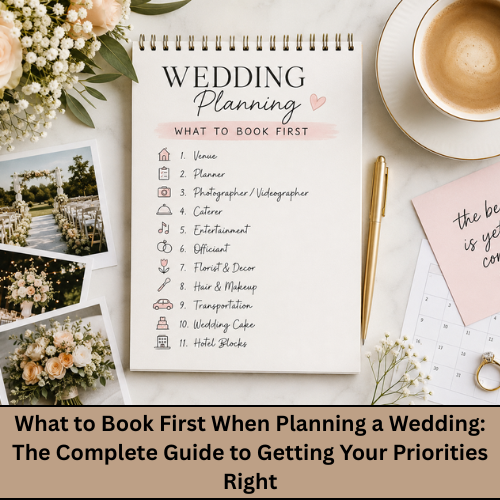
Once your venue is secured, begin researching your highest-priority vendors.
These usually include:
- Wedding planner (if hiring one)
- Photographer
- Videographer
- Caterer
- Entertainment
- Officiant
Experienced professionals often book their calendars far in advance, especially during busy wedding seasons.
Rather than choosing solely based on price, review full galleries, client testimonials, communication style, and experience. A vendor who understands your vision and communicates clearly can significantly reduce stress throughout the planning process.
9–12 Months Before the Wedding: Secure Major Vendors
With your venue reserved, your attention should shift toward building the team that will bring your wedding vision to life.
Photography is often one of the first services couples regret booking too late.
Unlike decorations, photographs become lifelong memories. An experienced photographer knows how to capture genuine emotions, changing lighting conditions, and spontaneous moments that cannot be recreated.
Before signing a contract, review complete wedding albums rather than only highlight photos posted on social media. A consistent portfolio says much more than a few carefully selected images.
Videography deserves similar consideration.
Many couples initially skip wedding videography to reduce expenses, only to wish later that they had invested in preserving speeches, vows, laughter, and family moments that photographs alone cannot fully capture.
Entertainment should also be secured during this stage.
Whether you choose a live band, professional DJ, or acoustic musicians, entertainment shapes the atmosphere of your celebration. Speak with potential entertainers about their experience, playlist flexibility, backup equipment, and ability to manage reception timelines.
If catering is not included with your venue, begin scheduling tastings.
Food is one of the most talked-about aspects of any wedding reception. A memorable dining experience leaves guests with positive memories long after the celebration ends.
When evaluating catering options, think beyond taste.
Consider dietary accommodations, service style, presentation, staffing, and timing.
Now is also the ideal time to ask your closest friends and family members to join your wedding party.
Giving them plenty of notice allows them to plan financially, arrange travel, and participate in important events such as dress fittings, bridal showers, bachelor or bachelorette celebrations, and rehearsal activities.
Once your wedding party is confirmed, begin shopping for your wedding attire.
Finding the perfect wedding dress often takes much longer than expected. Many gowns require several months for ordering and multiple rounds of alterations before fitting perfectly.
The same applies to custom suits and formalwear.
Waiting until the last few months can create unnecessary pressure and reduce your available options.
This stage is also an excellent opportunity to create your wedding website if you plan to have one.
A wedding website becomes a convenient location where guests can find information about:
- Ceremony location
- Reception venue
- Accommodation recommendations
- Dress code
- RSVP instructions
- Registry information
- Travel guidance
- Frequently asked questions
Having one central source of information reduces repetitive questions as your wedding approaches.
Finally, begin developing your wedding style in greater detail.
Create inspiration boards that include color palettes, floral arrangements, table settings, lighting concepts, stationery designs, ceremony décor, and reception layouts.
Instead of copying another wedding exactly, identify the elements that genuinely reflect your personalities. The most memorable weddings often feel authentic rather than trendy.
As your planning progresses, remember that every completed task brings you one step closer to a celebration that reflects your relationship rather than simply meeting expectations. Building a strong foundation during these early months makes every remaining planning stage significantly smoother.
Read: How to Plan a Wedding on a Small Budget Without Sacrificing Your Dream Day
6–8 Months Before the Wedding: Finalize Key Details
By now, the biggest decisions are behind you, and your wedding is beginning to feel real. This stage is all about turning your vision into a well-organized plan. Instead of making broad decisions, you will begin confirming the details that bring everything together.
One of the first priorities during this period is selecting and ordering your wedding invitations. Your invitation is more than a piece of stationery—it gives guests their first impression of your wedding style. Whether you prefer elegant, modern, rustic, or minimalist designs, make sure the invitation reflects the overall theme of your celebration.
Before sending invitations to print, proofread every detail carefully. Double-check the spelling of names, venue addresses, ceremony times, RSVP deadlines, and any additional information. A simple typo can create unnecessary confusion for your guests.
If you have not finalized your florist, now is the ideal time. Meet with your florist to discuss your bouquet, boutonnieres, ceremony flowers, reception centerpieces, and decorative arrangements. Bring inspiration photos, but remain open to professional recommendations, especially if certain flowers are out of season.
This is also the right time to plan your ceremony in greater detail. Work with your officiant to discuss the order of events, readings, music, cultural traditions, and personal vows if you plan to write them yourselves.
Many first-time couples overlook transportation until the last minute. Whether you are hiring a limousine, luxury car, shuttle service, or vintage vehicle, booking transportation early ensures everyone arrives on time and reduces unnecessary stress on the wedding day.
Another important task is selecting your wedding rings.
Unlike engagement rings, wedding bands are worn every day after the ceremony. Choose rings that are both beautiful and comfortable. If custom engraving is part of your plan, allow enough time for production before the wedding.
You should also begin organizing accommodations for out-of-town guests if many friends and family members will be traveling. Reserving a block of hotel rooms can often provide discounted rates while making travel arrangements much easier for everyone.
Finally, continue monitoring your wedding budget.
It is common for small purchases to accumulate during this stage. Keeping track of every expense helps prevent unexpected financial surprises as your wedding approaches.
3–5 Months Before the Wedding: Confirm Plans and Purchases
As the countdown continues, attention shifts toward confirming the finer details that will shape your guests’ experience.
Schedule your dress fittings and suit alterations early enough to allow for adjustments if necessary. Even a perfectly designed wedding outfit may require several alterations before achieving the ideal fit.
If you plan to wear new shoes, begin breaking them in around the house. Comfortable shoes can make a remarkable difference during a day that often involves standing, walking, dancing, and posing for photographs over many hours.
Now is also an excellent time to finalize your wedding menu.
Attend your catering tasting if you have not already done so, and make final selections for appetizers, main courses, desserts, beverages, and late-night snacks if offered. Remember to accommodate guests with dietary restrictions whenever possible.
Your wedding cake should also be confirmed during this period. Discuss flavors, fillings, decorations, serving size, and delivery arrangements with your baker. Make sure the design complements your overall wedding style rather than competing with it.
If you plan to include personalized wedding favors, order them early enough to account for production and shipping times.
This stage is also perfect for planning your reception timeline.
A typical reception schedule may include:
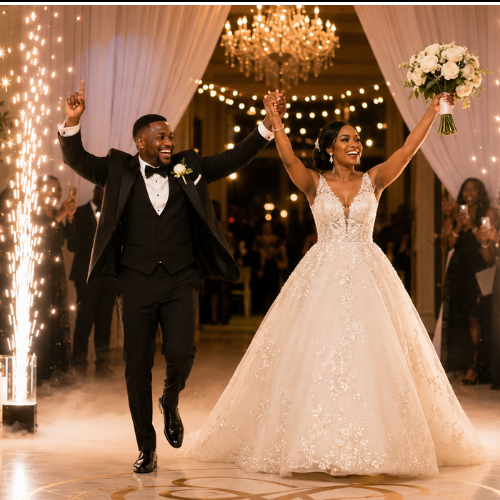
- Grand entrance
- First dance
- Welcome speech
- Dinner service
- Toasts
- Parent dances
- Cake cutting
- Bouquet toss (if included)
- Open dancing
- Grand exit
Creating a realistic timeline helps vendors coordinate smoothly and minimizes unnecessary delays throughout the evening.
If you are preparing DIY decorations or handmade wedding favors, begin assembling them now instead of waiting until the final weeks.
Spreading these projects over several months makes them far more enjoyable than trying to complete everything during the last few days before the wedding.
1–2 Months Before the Wedding: Handle Final Preparations
The final weeks before your wedding are often the busiest, but they should not be the most stressful if you have followed your checklist.
One of the biggest priorities is collecting RSVPs and finalizing your guest count.
Reach out politely to guests who have not responded before your RSVP deadline. Your caterer, venue, and seating arrangements all depend on having an accurate attendance number.
Once your guest list is confirmed, create your seating chart.
While arranging seating may seem simple, thoughtful placement encourages conversation and helps guests feel comfortable throughout the reception. Consider family relationships, friendships, and special accommodations when assigning tables.
Meet with your photographer and videographer to discuss your preferred shot list.
While experienced professionals know how to document weddings naturally, sharing your priorities ensures important family members, meaningful traditions, and special moments receive extra attention.
This is also the ideal time to confirm every vendor booking.
Contact each vendor to verify:
- Arrival times
- Setup schedules
- Payment balances
- Emergency contact numbers
- Delivery locations
- Final instructions
Having everything confirmed in writing reduces the risk of misunderstandings.
If you plan to leave for your honeymoon immediately after the wedding, begin packing in advance. Waiting until the final evening often leads to forgotten essentials.
Most importantly, take time for yourselves.
Wedding planning can become all-consuming, but remember why you started this journey. Schedule a quiet dinner, spend a relaxing weekend together, or simply enjoy an evening without discussing seating charts or timelines.
One Week Before the Wedding: Last-Minute Checklist
The final week should focus on organization rather than major decisions.
Pack an emergency kit containing helpful items such as safety pins, stain remover, tissues, pain relievers, extra makeup, sewing supplies, phone chargers, bottled water, and snacks.
Prepare everything you will need on the wedding morning, including your attire, shoes, jewelry, accessories, marriage license, rings, and written vows.
Attend your rehearsal and rehearsal dinner if planned.
The rehearsal allows everyone involved in the ceremony to understand where they should stand, when they should walk, and how the ceremony will flow. Even a brief rehearsal can prevent unnecessary confusion on the wedding day.
Delegate responsibilities wherever possible.
Ask trusted friends, family members, or your wedding coordinator to handle vendor questions, guest concerns, and setup tasks. You should not be answering logistical questions while getting ready for your ceremony.
Most importantly, prioritize rest.
A good night’s sleep, staying hydrated, and eating balanced meals will help you look and feel your best.
Wedding Day Checklist: What to Do Before Saying “I Do”
Your wedding day has finally arrived.
Instead of worrying about every detail, trust the planning you have completed over the past several months.
Start your morning with enough time to prepare without feeling rushed. Eat breakfast even if you are nervous. Staying hydrated and maintaining your energy will help you enjoy every moment.
Allow your photographer to capture the natural moments while getting ready. These behind-the-scenes photographs often become some of the most treasured memories from the entire day.
Before the ceremony begins, take a quiet moment together if your schedule allows. Whether it is through a private first look or simply exchanging handwritten letters, creating a personal moment can help calm pre-ceremony nerves.
Throughout the day, remember that not everything needs to be perfect.
Minor delays, unexpected weather changes, or small adjustments happen at nearly every wedding. Guests rarely notice these details because they are focused on celebrating your marriage.
Instead of chasing perfection, focus on being fully present.
Smile during the ceremony, enjoy conversations with loved ones, dance freely, and take time to appreciate the celebration you worked so hard to create.
Years from now, the emotions you experienced will matter far more than whether every decoration was positioned exactly as planned.
After the Wedding: Important Post-Wedding Tasks
Although the celebration has ended, there are still a few important tasks to complete.
Begin by sending thank-you cards to everyone who attended your wedding or sent gifts. A thoughtful, personalized message expresses genuine appreciation for their generosity and support.
If you plan to change your name, begin updating important legal documents, identification, financial accounts, insurance policies, and travel records as soon as possible.
Review your wedding photographs and videos carefully before selecting albums or prints. Choose images that tell the complete story of your day rather than only the posed portraits.
Preserve meaningful keepsakes such as your bouquet, invitation suite, vows, and wedding attire if you wish to keep them as lifelong memories.
Finally, take time to reflect on your wedding journey together.
Planning a wedding teaches communication, teamwork, patience, compromise, and problem-solving—qualities that will continue serving your marriage long after the celebration ends.
Common Wedding Planning Mistakes First-Time Couples Should Avoid
Even the most organized couples can make avoidable mistakes during wedding planning.
Some of the most common include:
- Starting without a realistic budget.
- Booking vendors before confirming the venue.
- Waiting too long to reserve popular vendors.
- Ignoring contract details before signing.
- Trying to handle every responsibility alone.
- Forgetting to include emergency funds in the budget.
- Overloading the wedding schedule with too many activities.
- Comparing your wedding to social media instead of focusing on your own priorities.
Remember that your wedding should reflect your relationship—not internet trends or outside expectations.
Printable Complete Wedding Planning Checklist (Quick Summary)
Use this simplified checklist as a final reference while planning your wedding.
12+ Months Before
- Set your budget.
- Create a guest list.
- Choose your wedding date.
- Book your venue.
- Hire major vendors.
9–12 Months Before
- Ask your wedding party.
- Shop for wedding attire.
- Book entertainment.
- Hire your photographer and videographer.
- Create your wedding website.
6–8 Months Before
- Order invitations.
- Choose wedding rings.
- Finalize flowers.
- Plan transportation.
- Confirm ceremony details.
3–5 Months Before
- Attend dress fittings.
- Finalize the menu.
- Confirm the cake.
- Plan the reception timeline.
- Complete DIY projects.
1–2 Months Before
- Collect RSVPs.
- Create the seating chart.
- Confirm vendors.
- Pack for the honeymoon.
- Make final payments.
One Week Before
- Pack your emergency kit.
- Prepare your attire.
- Attend the rehearsal.
- Delegate responsibilities.
- Get plenty of rest.
Wedding Day
- Eat breakfast.
- Stay hydrated.
- Enjoy every moment.
- Trust your planning.
- Celebrate your marriage.
Frequently Asked Questions
When should first-time couples start planning a wedding?
Ideally, begin planning 12 to 18 months before your wedding date. This provides enough time to book popular venues and vendors while making thoughtful decisions without feeling rushed.
What is the most important part of a wedding planning checklist?
Your budget is the foundation of every planning decision. Establishing realistic spending limits early helps you prioritize what matters most and avoid financial stress later.
How can couples stay organized during wedding planning?
Use a detailed checklist, maintain a shared planning calendar, keep copies of vendor contracts, track expenses regularly, and review upcoming deadlines together every few weeks.
Is hiring a wedding planner necessary?
Not every couple needs a full-service wedding planner, but hiring a professional coordinator can save time, reduce stress, and ensure everything runs smoothly—especially on the wedding day.
Conclusion
A complete wedding planning checklist for first-time couples does far more than organize tasks—it provides peace of mind throughout one of life’s biggest milestones. By breaking the process into manageable stages, you can make thoughtful decisions, stay within your budget, and avoid the last-minute stress that often overshadows the excitement of getting married.
Remember that no wedding unfolds exactly as planned, and that is perfectly normal. What guests remember most is the joy, love, and connection they witness, not whether every detail was flawless. Focus on creating a celebration that reflects your relationship, supports your shared values, and allows you to be fully present with the people who matter most.
With careful preparation, realistic expectations, and a clear checklist guiding each step, you can approach your wedding day with confidence, knowing that the foundation you have built is not only for an unforgettable celebration but also for a strong beginning to your marriage.

Daniel Master is a relationship and marriage writer passionate about helping readers build healthier relationships, stronger marriages, and more meaningful connections. Through practical advice, thoughtful insights, and fresh perspectives on weddings and modern relationships, Daniel creates easy-to-understand content designed to help readers make confident decisions in love and life.