In my years of working closely with married couples and observing relationship dynamics, I have learned one undeniable truth: communication is not just a part of marriage—it is the foundation that holds everything together. Love alone is never enough. I have seen couples deeply in love struggle daily simply because they cannot communicate their needs, emotions, or frustrations in a healthy way.
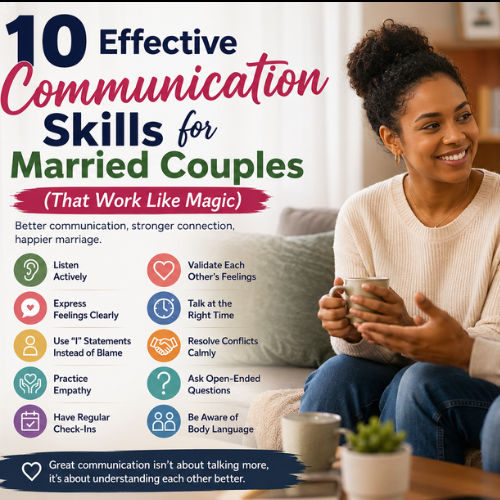
When I talk about the keyword “10 Effective Communication Skills for Married Couples (That Work Like Magic),” I am referring to practical, real-life skills that couples can apply immediately—not theories that sound good but fail in real situations. The difference between a peaceful marriage and a constantly tense one often comes down to how two people speak, listen, and respond to each other.
A strong marriage is not built on perfection. It is built on understanding. And understanding is only possible through intentional communication that is honest, calm, and respectful, even in difficult moments.
What Effective Communication in Marriage Really Means
Effective communication in marriage goes far beyond talking every day or sharing updates about work and life. From my experience, many couples believe they are communicating simply because they are speaking often, but true communication requires clarity, emotional awareness, and responsiveness.
Effective communication means I am not just speaking to be heard—I am speaking to be understood. It also means I am willing to listen without immediately preparing a defense or counterargument. In healthy marriages, communication is a two-way process where both partners feel safe enough to express themselves without fear of judgment or escalation.
Another key part of effective communication is emotional honesty. I have noticed that many couples avoid difficult conversations to “keep the peace,” but in reality, avoidance creates distance. Over time, unresolved feelings turn into resentment, and resentment becomes emotional disconnection.
In simple terms, effective communication is not about speaking more; it is about speaking better and listening deeper.
Common Communication Problems Married Couples Face
In my experience, most marital conflicts are not actually about money, children, or responsibilities. Those are only surface-level triggers. The real issue is often poor communication underneath it all.
One of the most common problems I see is misunderstanding intentions. A simple comment can be misinterpreted as criticism, disrespect, or indifference, even when no harm was intended. When couples fail to clarify meaning, small issues quickly escalate into bigger arguments.
Another issue is emotional shutdown. One partner may withdraw completely during conflict, refusing to talk or engage. While this is often a coping mechanism, it leaves the other partner feeling abandoned or ignored, which deepens the emotional gap.
I also see frequent problems with tone and delivery. The same message can either build connection or create tension depending on how it is said. Many couples underestimate how much tone, facial expression, and timing affect communication.
Lastly, many couples struggle with listening. Not just hearing words, but truly listening with the intent to understand. Instead, they listen to respond, defend, or correct, which breaks down meaningful conversation.
Why Most Couples Miscommunicate (Even When They Love Each Other)
Love does not automatically create communication skills. I have worked with couples who care deeply for each other but still struggle to connect emotionally because they were never taught how to communicate effectively.
One major reason for miscommunication is emotional triggers. Past experiences, childhood patterns, and previous relationship wounds often influence how people interpret their partner’s words. A neutral statement can feel like an attack if it touches an old emotional scar.
Another reason is assumption. Many couples assume their partner should “just know” what they are thinking or feeling. When expectations are not clearly expressed, disappointment becomes inevitable.
Stress also plays a big role. Daily responsibilities, financial pressure, and exhaustion reduce patience and emotional bandwidth. In these moments, even small misunderstandings can turn into arguments.
Ultimately, miscommunication is not usually about lack of love. It is about lack of skill.
Skill One: Active Listening Without Interrupting
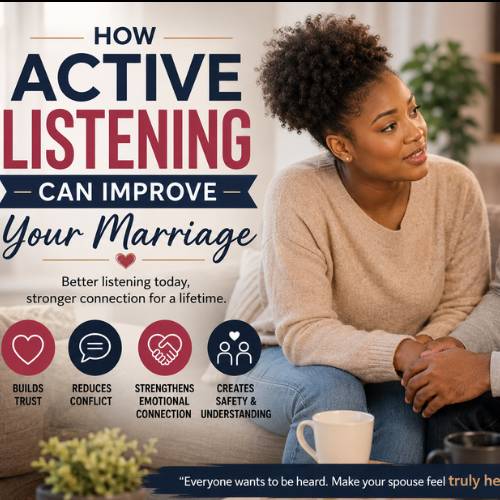
One of the most powerful communication skills I always emphasize is active listening. This means I intentionally focus on what my partner is saying without interrupting, correcting, or mentally preparing my response while they are still speaking.
In practice, active listening requires patience. It means allowing my partner to fully express their thoughts, even if I disagree with them. I have seen how transformative this can be in marriage because it makes the other person feel valued and heard.
A helpful technique I often recommend is reflective listening. After my partner speaks, I restate what I heard in my own words to confirm understanding. For example, “What I am hearing is that you felt ignored when I didn’t respond earlier.” This simple approach reduces misunderstandings significantly.
Skill Two: Expressing Feelings Clearly and Calmly
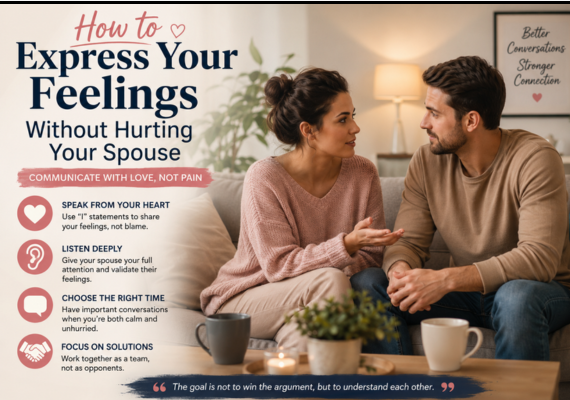
Another essential skill is learning how to express emotions without aggression or blame. I always advise couples to focus on clarity instead of intensity.
Instead of saying, “You never care about me,” a healthier expression would be, “I feel hurt when I don’t get a response because it makes me feel unimportant.” This shifts the conversation from accusation to emotional expression.
Calm communication does not mean suppressing emotions. It means delivering them in a way that invites understanding rather than conflict. I have seen relationships improve dramatically simply because couples learned how to speak about their feelings without attacking each other.
Skill Three: Using “I” Statements Instead of Blame
One communication shift I always recommend is replacing “you” statements with “I” statements. This is one of the simplest yet most powerful tools in marital communication.
“You” statements often sound like accusations. For example, “You are always disrespectful when we argue.” This immediately puts the other person on the defensive.
“I” statements, on the other hand, focus on personal experience. For example, “I feel disrespected when our conversations become heated because it makes me shut down emotionally.” This opens the door for dialogue instead of conflict.
In my experience, couples who consistently use “I” statements argue less aggressively and resolve issues faster because the focus shifts from blame to understanding.
Skill Four: Practicing Emotional Validation
One of the most overlooked communication skills in marriage is emotional validation. I have seen many couples try to “fix” problems too quickly without first acknowledging how their partner feels. That usually backfires because people don’t always need solutions immediately—they need to feel understood first.
Emotional validation simply means I recognize and accept my partner’s feelings as real and understandable, even if I see things differently. For example, instead of saying, “You’re overreacting,” a more validating response would be, “I can see why that situation made you upset.”
This does not mean I agree with everything my partner says. It means I respect their emotional experience. When validation is consistent in a marriage, emotional safety increases, and arguments become less intense over time.
Skill Five: Learning the Art of Timing in Conversations
Timing is a communication skill many couples underestimate. I have observed that even the right words can cause conflict if they are said at the wrong time.
Effective communication in marriage requires emotional awareness of when to speak and when to wait. Bringing up sensitive topics when one partner is exhausted, distracted, or already stressed often leads to defensive reactions rather than productive dialogue.
In my experience, the best time for serious conversations is when both partners are calm and mentally available. Sometimes, simply saying, “Can we talk about this later when we are both relaxed?” can prevent unnecessary conflict and create space for better understanding.
Good timing does not delay communication—it improves its quality.
Skill Six: Nonverbal Communication and Body Language Awareness
I always remind couples that communication is not only about words. In fact, a large percentage of emotional meaning is carried through tone, facial expressions, and body language.
A partner may say “I’m fine,” but their crossed arms, cold tone, or lack of eye contact may suggest otherwise. Over time, these inconsistencies can create confusion and mistrust.
Being aware of my own nonverbal signals is just as important. Rolling eyes, sighing heavily, or turning away during conversations can communicate disrespect even when no words are spoken.
Healthy couples learn to align their words with their body language. When both verbal and nonverbal messages are consistent, trust becomes stronger and misunderstandings decrease significantly.
Skill Seven: Conflict Resolution Without Escalation
Conflict is not the problem in marriage—how conflict is handled is what determines the outcome. I have seen couples destroy emotional connection not because they disagree, but because they escalate disagreements into personal attacks.
Effective conflict resolution requires staying focused on the issue, not the person. Instead of saying, “You are selfish,” it is healthier to say, “I feel overlooked in this situation.”
Another key principle is avoiding escalation triggers such as shouting, sarcasm, or bringing up unrelated past issues. These habits rarely solve problems; they only intensify emotional distance.
In strong marriages, both partners learn to pause when emotions rise too high. Taking a short break during heated moments allows the nervous system to calm down, making it easier to return to the conversation with clarity and respect.
Skill Eight: Asking Open-Ended Questions
One of the simplest ways to improve communication is by asking better questions. I have found that yes-or-no questions often limit conversation, while open-ended questions encourage deeper emotional expression.
Instead of asking, “Are you okay?” which can easily be answered with a simple “yes,” I prefer asking, “How are you really feeling about what happened today?” This invites reflection and honesty.
Open-ended questions show genuine interest in a partner’s inner world. Over time, this builds emotional intimacy and strengthens connection.
Couples who consistently ask meaningful questions tend to understand each other on a much deeper level, which reduces assumptions and misinterpretations.
Skill Nine: Practicing Empathy in Difficult Moments
Empathy is the ability to step into my partner’s emotional world without judgment. In marriage, empathy is what transforms communication from transactional to deeply connected.
I often tell couples that empathy is most important during disagreements, not during peaceful times. It is easy to understand each other when everything is going well, but true emotional maturity shows up during conflict.
Practicing empathy means I try to understand why my partner feels a certain way, even if I do not agree with their perspective. It allows me to respond with compassion instead of defensiveness.
A simple shift from “You are wrong” to “Help me understand how you feel” can completely change the direction of a conversation.
Skill Ten: Regular Check-Ins and Relationship Talks
One habit I strongly recommend for every married couple is having regular communication check-ins. Many couples only talk deeply when there is a problem, but healthy marriages thrive on consistent emotional connection.
A weekly or bi-weekly check-in allows both partners to express feelings, address concerns early, and appreciate each other intentionally. It does not have to be formal or long, but it should be honest and distraction-free.
During these moments, I encourage couples to ask questions like: “What made you feel loved this week?” or “Is there anything I can improve to support you better?”
These small conversations prevent emotional buildup and help maintain a strong connection over time.
Real-Life Example of Healthy Communication in Marriage
I once observed a couple who struggled with constant arguments about household responsibilities. Initially, both partners blamed each other for not contributing enough. The conversations always ended in frustration.
After learning to apply communication skills like “I” statements and active listening, the dynamic changed. Instead of saying, “You never help at home,” one partner began saying, “I feel overwhelmed when I handle everything alone.”
This shift opened the door for understanding. The other partner responded with empathy instead of defensiveness, and together they created a balanced routine that worked for both of them.
This example shows that the problem was never the chores—it was the communication around them.
Common Communication Mistakes Married Couples Should Avoid
From my experience, some communication habits quietly damage relationships over time. One major mistake is bringing up multiple issues at once during an argument. This overwhelms the conversation and prevents resolution.
Another mistake is keeping silent to avoid conflict. While it may seem peaceful in the moment, it often leads to emotional distance and resentment.
Many couples also fall into the habit of trying to “win” arguments instead of resolving them. In marriage, winning a fight often means losing emotional connection.
Healthy communication requires choosing understanding over victory.
Daily Habits That Strengthen Marital Communication
Strong communication is not built in one conversation—it is built in daily habits. I always encourage couples to check in emotionally, even briefly, every day.
Simple habits like greeting each other warmly, sharing highlights of the day, or expressing appreciation can strengthen emotional connection significantly.
Another powerful habit is expressing gratitude regularly. Saying “I appreciate you for what you did today” helps maintain positivity in the relationship and reduces emotional tension.
Consistency in small habits creates long-term communication strength.
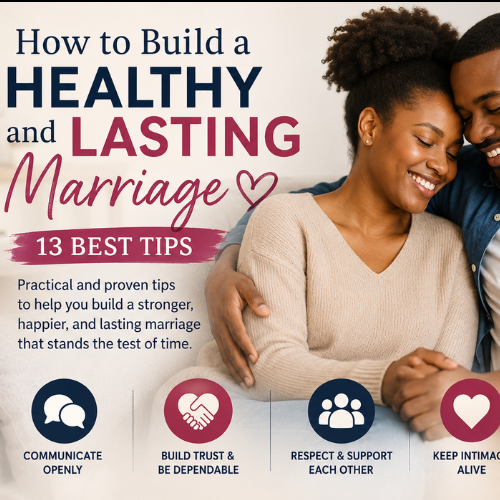
Recommended: How to Build a Healthy and Lasting Marriage: 13 Best Tips
Conclusion:
In my experience, communication is the heartbeat of every successful marriage. Love may bring two people together, but communication determines whether they stay connected and fulfilled over time.
The 10 effective communication skills for married couples are not complicated, but they require intention and practice. When applied consistently, they transform misunderstandings into clarity, conflict into growth, and distance into emotional closeness.
A strong marriage is not built on perfection. It is built on two people who are willing to understand each other better every day.

Daniel Master is a relationship and marriage writer passionate about helping readers build healthier relationships, stronger marriages, and more meaningful connections. Through practical advice, thoughtful insights, and fresh perspectives on weddings and modern relationships, Daniel creates easy-to-understand content designed to help readers make confident decisions in love and life.