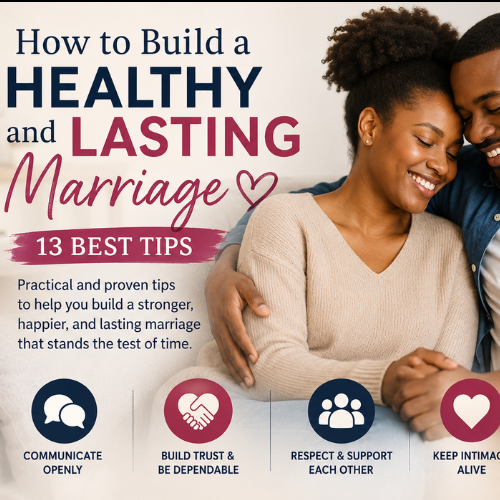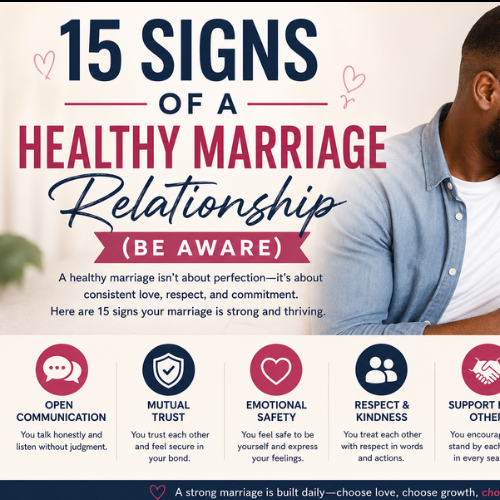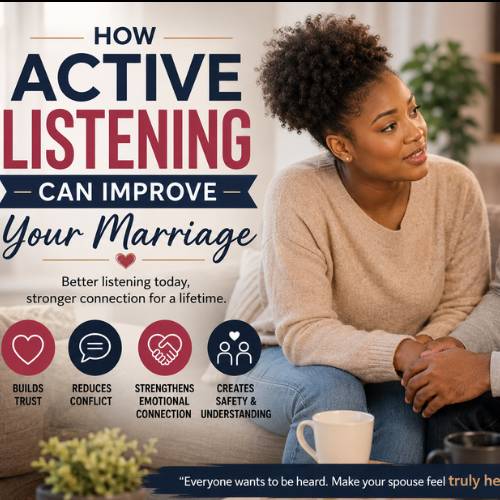

Marriage is one of the most rewarding commitments two people can make, but it is also one of the most challenging. No matter how deeply two people love each other, marriage requires continuous effort, patience, understanding, and intentional growth. I have found that the happiest couples are not those who never face problems—they are the ones who recognize their mistakes early and work together to correct them.
Many couples enter marriage believing love alone will solve every conflict. Unfortunately, that belief often leads to disappointment. Daily habits, poor communication, unrealistic expectations, financial disagreements, and emotional distance can slowly damage even the strongest relationships. The good news is that most marriage problems don’t appear overnight. They usually begin as small, unnoticed mistakes that become bigger over time.
If you can identify these common marriage mistakes before they become deeply rooted, you have a much better chance of building a lasting, fulfilling relationship. Learning what to avoid is just as valuable as learning what to do.
In this guide, I will walk you through 20 common marriage mistakes and how to avoid them, using practical advice that couples can apply in everyday life. Whether you’re newly married or have been together for decades, these insights can help strengthen your relationship and create a healthier future together.
What Are Common Marriage Mistakes?
Marriage mistakes are behaviors, habits, or decisions that gradually weaken trust, intimacy, communication, and emotional connection between spouses. Most of these mistakes are not intentional. Instead, they develop through stress, busy schedules, misunderstandings, or simply taking each other for granted.
Every marriage experiences disagreements. In fact, conflict itself is not the problem. What matters is how couples respond to those disagreements. A healthy marriage allows room for mistakes because both partners are willing to learn, apologize, forgive, and grow together.
For example, imagine a husband who constantly focuses on providing financially but rarely spends quality time with his wife. From his perspective, he is showing love by working hard. However, his wife may feel emotionally neglected because what she truly needs is his presence. Neither person intends to hurt the other, yet their unmet expectations slowly create distance.
Similarly, a wife who avoids discussing problems to keep the peace may unknowingly allow resentment to build over time. Eventually, small frustrations turn into major arguments that could have been prevented through honest communication.
Recognizing these patterns is the first step toward creating a stronger marriage. The earlier couples become aware of these common mistakes, the easier it becomes to replace unhealthy habits with healthier ones.
Why Small Marriage Mistakes Can Lead to Bigger Problems
One of the biggest misconceptions about marriage is believing that major problems suddenly appear without warning. In reality, most serious marital issues begin with repeated small mistakes that seem harmless at first.
Missing meaningful conversations for weeks may eventually create emotional distance. Ignoring minor disagreements can slowly turn into unresolved resentment. Choosing work, hobbies, or social media over quality time may gradually weaken the emotional bond that once felt effortless.
Think of marriage like maintaining a beautiful garden. If you stop watering the plants for a day, nothing dramatic happens. Skip watering for several weeks, however, and the garden begins to wither. Relationships work in much the same way. Consistent care keeps love healthy, while neglect slowly allows problems to grow.
Many couples also underestimate the impact of daily words and actions. A simple “thank you,” “I’m sorry,” or “I appreciate you” may seem small, yet these expressions build emotional security over time. Likewise, repeated criticism, sarcasm, or silence may appear insignificant in the moment but can leave lasting emotional scars.
The encouraging news is that small positive changes can be just as powerful as small negative habits. Improving communication, showing appreciation regularly, listening without interrupting, and making time for each other consistently can completely transform a marriage over time.
Instead of waiting until your relationship reaches a crisis point, it’s much wiser to identify unhealthy habits early and replace them with healthier ones. Prevention is always easier than repair.
20 Common Marriage Mistakes and How to Avoid Them
1. Taking Your Spouse for Granted
One of the most common mistakes I see in marriages is becoming too comfortable. After years together, couples sometimes stop expressing appreciation because they assume their spouse already knows how they feel.
Unfortunately, feeling unappreciated creates emotional distance. Everyone wants to feel valued, regardless of how long they’ve been married.
For example, imagine a wife who prepares dinner every evening, manages the household, and supports her husband emotionally. If those efforts are rarely acknowledged, she may begin feeling invisible. Likewise, a husband who works hard to provide for the family may also feel overlooked if his sacrifices go unnoticed.
To avoid this mistake, make appreciation a daily habit. Thank your spouse for ordinary things, compliment their efforts, and never assume they already know how much you value them. Small words of gratitude often have a greater impact than expensive gifts.
2. Poor Communication
Healthy marriages are built on honest, respectful communication. Unfortunately, many couples talk to each other every day without truly communicating.
Poor communication includes interrupting, making assumptions, avoiding difficult conversations, raising your voice, or refusing to listen. Over time, misunderstandings multiply because neither partner feels heard.
Imagine one spouse saying, “You’ve been working late every night lately.” Instead of listening, the other immediately becomes defensive and responds, “So now I’m the bad guy?” The real issue—missing quality time together—is never addressed.
Effective communication requires listening with the goal of understanding rather than preparing your next response. Ask questions, clarify misunderstandings, and create a safe environment where both partners feel comfortable expressing themselves without fear of criticism.
Recommended: 10 Effective Communication Skills for Married Couples (That Work Like Magic)
3. Expecting Your Spouse to Read Your Mind
Many couples assume their partner should automatically know what they need, how they feel, or why they’re upset. This unrealistic expectation often leads to disappointment.
Your spouse cannot solve a problem they don’t know exists. Even couples who have been married for decades still need clear communication.
For instance, if you’re hoping your spouse plans a special anniversary celebration but never express its importance, disappointment is almost inevitable if their plans don’t match your expectations.
Rather than expecting mind reading, communicate openly and kindly. Saying, “It would mean a lot to me if we spent some uninterrupted time together this weekend,” is far more effective than remaining silent and feeling hurt later.
4. Letting Small Conflicts Build Into Resentment
Every marriage experiences disagreements. The real danger isn’t the disagreement itself—it’s allowing unresolved issues to accumulate.
When couples repeatedly ignore problems, those issues don’t disappear. Instead, they quietly grow into resentment, making future conflicts much more emotional than they need to be.
For example, repeatedly overlooking broken promises, forgotten responsibilities, or disrespectful comments may eventually lead to an explosive argument that seems unrelated to the original issue.
Address concerns while they’re still manageable. Choose a calm moment, focus on solving the problem rather than winning the argument, and avoid bringing up every past mistake during one discussion.
5. Making Work a Bigger Priority Than Your Marriage
Providing for your family is important, but constantly placing work above your marriage can slowly weaken your relationship.
Many spouses justify long working hours by saying they’re doing it for the family. While financial stability matters, emotional availability matters just as much.
Imagine a couple where one spouse consistently misses dinners, family gatherings, vacations, and meaningful conversations because work always comes first. Eventually, the other spouse may begin feeling lonely despite living in the same home.
A successful marriage requires intentional time together. Even if your schedule is demanding, set aside moments to reconnect—whether that’s eating dinner together, taking evening walks, or enjoying uninterrupted conversations before bed.
Remember, your career may provide financial security, but your marriage provides emotional security. Both deserve consistent investment.
6. Ignoring Emotional Intimacy
Many people associate intimacy only with physical affection, but emotional intimacy is what keeps a marriage deeply connected over the years. Emotional intimacy means feeling safe enough to share your thoughts, fears, dreams, disappointments, and victories with your spouse without worrying about judgment.
One of the biggest mistakes married couples make is assuming emotional closeness will naturally stay the same throughout the marriage. In reality, emotional intimacy requires regular attention. Life becomes busy with careers, children, financial responsibilities, and countless distractions. Before long, conversations become centered around bills, schedules, or household chores instead of each other.
Imagine a couple that once spent hours talking every evening. Years later, they barely exchange more than a few sentences before bed because they’re exhausted from work and parenting. Although they still love each other, they slowly begin living like roommates instead of partners.
I always encourage couples to create intentional moments for meaningful conversations. Ask about your spouse’s day, their goals, what has been stressing them lately, or what has been making them happy. Even fifteen minutes of uninterrupted conversation each day can strengthen emotional intimacy in ways many couples underestimate.
7. Refusing to Apologize
Pride has quietly damaged many marriages that otherwise had every chance to succeed.
Some people believe apologizing is admitting weakness or surrendering an argument. In reality, offering a sincere apology demonstrates maturity, emotional intelligence, and genuine love for your spouse.
No one is perfect. Every husband and wife will eventually say something hurtful, make poor decisions, forget important commitments, or react emotionally during stressful situations. Refusing to acknowledge those mistakes only allows resentment to grow.
A meaningful apology goes beyond saying, “I’m sorry.” It acknowledges the specific mistake, accepts responsibility, and shows a willingness to improve.
For example, saying, “I’m sorry I interrupted you earlier. I realize I didn’t let you express yourself, and I understand why that hurt you. I’ll do better next time,” carries much more weight than a quick apology meant only to end the conversation.
Strong marriages are filled with people who apologize often, forgive sincerely, and keep learning from their mistakes.
8. Trying to Win Every Argument
One of the quickest ways to create emotional distance is treating every disagreement like a competition.
Marriage should never become a contest where one person wins and the other loses. If one spouse constantly feels defeated, criticized, or ignored, the relationship itself suffers.
Many couples become so focused on proving they’re right that they completely forget the original problem. Instead of finding solutions, they begin collecting evidence from past disagreements just to strengthen their position.
Imagine arguing over household responsibilities. Rather than discussing how to divide tasks fairly, one spouse begins listing mistakes from years ago. The conversation shifts from solving today’s issue to attacking each other’s character.
Healthy couples approach disagreements differently. They ask themselves, “How can we solve this together?” instead of, “How can I prove I’m right?”
Changing your mindset from competition to teamwork creates a healthier environment where both partners feel respected.
9. Comparing Your Marriage to Others
Social media has made comparison easier than ever.
Many couples scroll through perfectly edited vacation photos, anniversary celebrations, expensive gifts, and romantic surprises, believing everyone else’s marriage is happier than their own.
The reality is much different. Social media usually highlights life’s best moments while hiding everyday struggles, disagreements, disappointments, and personal challenges.
Comparing your marriage to someone else’s highlight reel often creates unnecessary dissatisfaction.
Instead of measuring your relationship against others, focus on building the marriage that works for both of you. Every couple has unique personalities, financial situations, family dynamics, and life goals.
The healthiest marriages are not the ones that appear perfect online. They are the ones where two people consistently choose love, respect, patience, and growth behind closed doors.
10. Keeping Financial Secrets
Money remains one of the leading causes of conflict in marriage, especially when honesty is missing.
Financial secrets may include hidden bank accounts, undisclosed debt, secret purchases, gambling habits, or lying about income and expenses. Even relatively small financial lies can damage trust over time.
Consider a situation where one spouse secretly accumulates credit card debt without informing the other. When the truth eventually comes out, the financial burden is often accompanied by feelings of betrayal.
Financial transparency builds security. Couples should regularly discuss budgets, savings goals, investments, upcoming expenses, and financial priorities without fear or embarrassment.
You don’t have to agree on every financial decision immediately, but honesty should never be optional.
11. Forgetting to Date Each Other
One mistake many married couples make is believing dating ends after the wedding.
The truth is, successful marriages continue dating long after exchanging vows.
Life becomes increasingly busy with careers, children, extended family responsibilities, and countless obligations. Without intentional effort, romance slowly fades into routine.
Dating doesn’t always require expensive restaurants or luxury vacations. Sometimes it’s as simple as taking an evening walk together, cooking dinner as a team, watching a favorite movie, enjoying coffee on the porch, or planning a weekend outing.
The goal isn’t spending money.
The goal is spending meaningful time together.
Couples who regularly prioritize quality time often maintain stronger emotional connections because they continue investing in the friendship that brought them together in the first place.
12. Criticizing Instead of Encouraging
Words have tremendous power inside a marriage.
Repeated criticism slowly damages confidence, while consistent encouragement strengthens emotional connection and trust.
Constructive feedback is sometimes necessary, but there’s a significant difference between addressing behavior and attacking character.
For example, saying, “I felt disappointed when the bills weren’t paid on time,” invites discussion.
Saying, “You’re so irresponsible,” attacks the person instead of addressing the problem.
I encourage couples to make encouragement a daily habit. Celebrate your spouse’s accomplishments, acknowledge their efforts, compliment their strengths, and remind them of the qualities you admire most.
People naturally flourish in relationships where they feel appreciated more often than criticized.
13. Allowing Technology to Replace Real Connection
Technology has made communication easier, but it has also introduced new challenges into modern marriages.
Many couples spend evenings sitting beside each other while each person focuses on their phone instead of the relationship.
Hours of scrolling through social media, checking emails, or watching separate videos can gradually replace meaningful conversations without either spouse realizing it.
Technology itself isn’t the problem.
The problem arises when screens consistently receive more attention than your partner.
Simple habits can make a remarkable difference. Put phones away during meals, avoid checking notifications during conversations, and dedicate technology-free time each day where your only priority is connecting with one another.
These small changes often strengthen emotional closeness far more than couples expect.
14. Expecting Perfection
Perhaps one of the most unrealistic expectations in marriage is believing your spouse should never disappoint you.
Every husband and wife has flaws.
Everyone forgets things, makes poor decisions occasionally, reacts emotionally under stress, or struggles through difficult seasons of life.
Perfection simply doesn’t exist.
Healthy marriages are built on realistic expectations rather than impossible standards.
Accepting your spouse’s imperfections doesn’t mean tolerating harmful behavior. Instead, it means recognizing that lasting love includes patience, grace, forgiveness, and mutual growth.
Rather than constantly focusing on what your spouse lacks, choose to appreciate the qualities they consistently bring into your marriage.
That simple shift in perspective often transforms the atmosphere of a relationship.
15. Not Respecting Each Other’s Differences
Every marriage brings together two individuals with different personalities, family backgrounds, communication styles, habits, and life experiences. One of the biggest mistakes couples make is expecting their spouse to think, react, or make decisions exactly as they do.
Differences are not weaknesses in a marriage—they are opportunities for growth. Problems begin when one spouse constantly criticizes the other’s personality or tries to change who they are instead of appreciating their unique qualities.
For example, one partner may enjoy social gatherings and spending time with friends, while the other prefers quiet evenings at home. Neither preference is wrong. The challenge lies in learning how to respect each other’s needs without making one person feel guilty.
I have found that successful couples focus less on changing each other and more on understanding each other. They ask questions, remain curious, and recognize that compromise often leads to stronger relationships.
Respect creates an environment where both spouses feel accepted, even when they don’t always agree.
16. Allowing Family or Friends to Control Your Marriage
Family and close friends can provide valuable advice and support, but they should never become decision-makers in your marriage.
One common mistake is sharing every disagreement with parents, siblings, or friends. While seeking guidance during difficult situations can be helpful, involving others in every conflict often creates unnecessary tension and divided loyalties.
Imagine a husband who tells his parents about every disagreement with his wife. Over time, his parents may begin forming negative opinions based only on one side of the story. Even after the couple resolves the issue, those negative impressions may remain.
Healthy marriages establish clear boundaries with extended family while maintaining respect for everyone involved.
Your spouse should feel like your closest teammate—not someone competing with outside opinions.
Before discussing private marital matters with others, ask yourself whether the conversation will genuinely help solve the problem or simply invite more confusion.
17. Neglecting Physical Affection
Physical affection is an important part of maintaining closeness in marriage. It communicates love, comfort, security, and reassurance in ways that words alone often cannot.
Affection isn’t limited to intimacy. Holding hands during a walk, hugging before leaving for work, sitting close while watching a movie, or offering a gentle touch during a difficult conversation all strengthen emotional connection.
Many couples unintentionally reduce physical affection as responsibilities increase. Work, parenting, stress, and busy schedules often leave little energy for meaningful moments together.
The danger isn’t simply the absence of physical touch—it is the emotional distance that gradually follows.
Making affection part of your daily routine helps remind your spouse that they remain a priority despite life’s many demands.
Small gestures, repeated consistently, often have a greater impact than grand romantic occasions that happen only once or twice a year.
18. Stopping Personal Growth
A healthy marriage consists of two individuals who continue growing throughout life.
Some people assume that once they are married, personal development is no longer important. They stop pursuing goals, improving communication skills, learning new things, or developing healthier habits.
Growth benefits both the individual and the marriage.
For instance, improving emotional intelligence helps you handle disagreements more calmly. Learning better financial management reduces unnecessary stress. Developing healthier habits increases your energy and confidence, which positively affects your relationship.
Marriage should encourage both spouses to become better versions of themselves.
Support each other’s ambitions, celebrate personal achievements, and create an environment where both partners feel inspired to continue learning and growing together.
When individuals grow, marriages often grow alongside them.
19. Giving Up Too Quickly During Difficult Seasons
Every marriage experiences seasons that feel more difficult than others.
Financial struggles, health challenges, career setbacks, parenting responsibilities, relocation, grief, or unexpected life changes can place enormous pressure on even the strongest relationships.
One mistake many couples make is believing difficult seasons automatically mean the marriage is failing.
The truth is that challenges often reveal opportunities for deeper understanding, stronger teamwork, and greater resilience.
Imagine a couple facing financial hardship after one spouse loses a job. Rather than blaming each other, they create a new budget, encourage one another, and work together toward recovery. Their circumstances may be difficult, but their partnership becomes stronger because they face the challenge as a team.
Instead of asking, “Why is this happening to us?” try asking, “How can we get through this together?”
That simple shift in perspective changes how couples approach adversity.
Of course, every situation is unique, and serious issues such as abuse or ongoing harmful behavior require appropriate professional intervention and safety. However, many ordinary marital challenges become manageable when both spouses remain committed to working through them together.
20. Forgetting That Marriage Requires Continuous Effort
Perhaps the greatest marriage mistake of all is believing that love can survive without intentional effort.
A wedding day marks the beginning of a marriage—not its completion.
Just as a garden requires regular watering, healthy marriages require ongoing attention. Communication, trust, forgiveness, affection, appreciation, and shared experiences must continue long after the honeymoon ends.
Many couples assume that because they were once deeply connected, they will always remain that way automatically.
Unfortunately, relationships don’t strengthen through neglect.
They grow stronger when both husband and wife consistently choose each other, especially during ordinary days when life feels busy and routine.
The strongest marriages aren’t built by perfect people.
They’re built by imperfect people who continue choosing love, humility, patience, and commitment every single day.
How to Build a Stronger and Healthier Marriage
Avoiding common marriage mistakes is only part of creating a lasting relationship. The other part is intentionally building healthy habits that strengthen your connection over time.
Here are practical ways to build a stronger marriage:
- Make honest communication a daily habit.
- Express appreciation, even for small acts of kindness.
- Spend quality time together without distractions.
- Learn to forgive instead of keeping score.
- Resolve disagreements respectfully and promptly.
- Support each other’s personal dreams and goals.
- Be transparent about finances and major decisions.
- Continue dating each other after marriage.
- Celebrate milestones, accomplishments, and everyday victories.
- Pray together or pursue shared values if they are important to your relationship.
A strong marriage isn’t measured by the absence of problems. It’s measured by two people who continue choosing each other despite life’s challenges.
Frequently Asked Questions (FAQ)
What is the biggest mistake couples make in marriage?
One of the biggest mistakes is poor communication. When couples stop listening, avoid honest conversations, or allow misunderstandings to build, many other problems begin to develop. Healthy communication creates trust, strengthens emotional intimacy, and helps couples solve problems before they become overwhelming.
Can marriage mistakes be fixed?
Yes. Most marriage mistakes can be corrected when both spouses are willing to acknowledge the problem, communicate honestly, and make consistent changes. Lasting improvement rarely happens overnight, but small, intentional efforts made consistently can rebuild trust and strengthen the relationship over time.
How can I prevent common marriage problems?
Focus on maintaining open communication, expressing appreciation regularly, spending quality time together, resolving conflicts respectfully, and supporting each other’s emotional needs. Addressing small concerns early often prevents them from becoming major issues later.
Is it normal to make mistakes in marriage?
Absolutely. Every married couple makes mistakes because no relationship is perfect. What matters most is how those mistakes are handled. Couples who learn from their experiences, apologize sincerely, forgive each other, and continue growing together often develop stronger and more resilient marriages.
Conclusion
Every marriage will encounter challenges, but challenges do not have to determine the future of your relationship. In my experience, the couples who enjoy the strongest and most fulfilling marriages are not those who never make mistakes—they are the ones who recognize unhealthy patterns early and intentionally replace them with healthier habits.
The 20 common marriage mistakes and how to avoid them discussed in this guide are reminders that successful marriages are built through everyday choices. Choosing to communicate honestly, show appreciation, respect differences, prioritize quality time, forgive freely, and remain committed through difficult seasons can transform the direction of your relationship.
Remember that lasting love is not created by one grand gesture. It grows through countless small decisions made consistently over time. Every conversation, every act of kindness, every apology, and every effort to understand your spouse strengthens the foundation of your marriage.
Start by focusing on one or two areas where you know improvement is needed. Small changes practiced consistently often produce remarkable results. Over time, those intentional efforts can lead to a marriage that is stronger, healthier, and filled with greater trust, joy, and lasting companionship.

Daniel Master is a relationship and marriage writer passionate about helping readers build healthier relationships, stronger marriages, and more meaningful connections. Through practical advice, thoughtful insights, and fresh perspectives on weddings and modern relationships, Daniel creates easy-to-understand content designed to help readers make confident decisions in love and life.