In my years of observing and working around couples and relationship dynamics, I’ve learned one important truth: a healthy marriage is not defined by perfection, but by consistency in the right habits. Many people assume a strong marriage means constant happiness or zero conflict, but that is far from reality. A truly healthy marriage is built on emotional stability, mutual respect, trust, and the willingness of both partners to grow together over time.
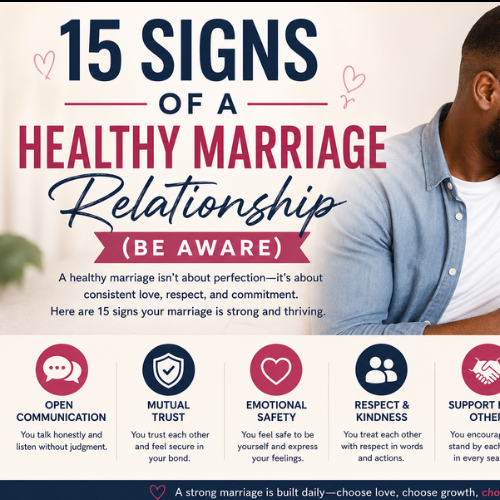
When I talk about 15 signs of a healthy marriage relationship (Be Aware), I am referring to real, observable behaviors that show a couple is not just surviving together, but actually thriving. These signs are not abstract ideas; they show up in daily communication, decision-making, and even in how disagreements are handled.
A strong marriage is less about grand romantic gestures and more about the small, consistent actions that build safety, connection, and understanding over time.
Why Recognizing Healthy Marriage Signs Matters
Many couples focus too much on what is going wrong in their relationship while ignoring what is actually working well. This imbalance often creates unnecessary fear or confusion, especially when challenges arise. Understanding what a healthy marriage looks like helps couples evaluate their relationship from a grounded perspective rather than emotional panic.
I often remind people that awareness is protection. When you can clearly identify the signs of a healthy marriage, you stop comparing your relationship to unrealistic standards. Instead, you begin to appreciate progress, identify areas for improvement, and reinforce what is already working.
Recognizing these signs also helps couples prevent small issues from becoming major problems. A strong marriage is maintained through awareness, not assumption.
1. Open and Honest Communication
One of the clearest signs of a healthy marriage is open and honest communication. In strong relationships, both partners feel safe expressing their thoughts, feelings, and concerns without fear of being judged or dismissed. Communication is not just about talking; it is about being heard and understood.
In my experience, couples who communicate well do not avoid difficult conversations. Instead, they approach them with respect and timing. For example, instead of letting frustration build up, they address issues early and calmly. This prevents emotional distance and resentment from forming.
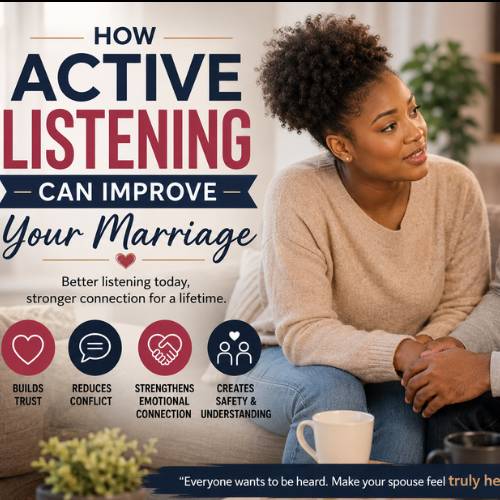
Healthy communication also includes listening with intention. When one partner speaks, the other is not just waiting for their turn to respond but actually trying to understand the message being shared.
Recommended: 10 Effective Communication Skills for Married Couples (That Work Like Magic)
2. Mutual Trust Without Constant Doubt
Trust is the foundation of every strong marriage. Without it, even the smallest issues can feel threatening. In a healthy marriage, there is a sense of emotional security where neither partner constantly questions the other’s loyalty or intentions.
I have seen that trust is not built through words alone but through consistent actions over time. When promises are kept, honesty is practiced, and transparency becomes a habit, trust naturally grows.
Couples in healthy relationships do not feel the need to monitor or control each other. Instead, they operate with confidence in each other’s character and commitment.
3. Emotional Safety and Comfort
A healthy marriage should feel like a safe space emotionally. This means both partners can be vulnerable without fear of ridicule, anger, or emotional punishment. Emotional safety allows individuals to express their true selves without pretending or hiding parts of who they are.
In strong marriages, even during disagreements, there is still a sense of respect and care. No one uses emotional pain as a weapon. Instead, there is a shared understanding that protecting each other’s emotional well-being is more important than “winning” an argument.
I often describe emotional safety as the quiet confidence that says, “Even when we disagree, I am still valued here.”
4. Healthy Conflict Resolution (Not Avoidance)
Conflict is unavoidable in any marriage, but how it is handled makes all the difference. One of the most important signs of a healthy marriage is the ability to resolve disagreements without escalation or avoidance.
Couples in strong relationships do not ignore problems and hope they disappear. At the same time, they do not allow arguments to become destructive. Instead, they focus on solutions rather than blame.
For example, instead of saying “You never listen to me,” a healthier approach would be, “I feel unheard when this happens, and I want us to improve our communication.” This shift in language reduces defensiveness and opens the door for understanding.
Healthy conflict resolution is not about avoiding disagreements but about handling them with maturity and respect.
5. Mutual Respect in Words and Actions
Respect is one of the most underrated but essential elements of a healthy marriage. Without respect, love slowly loses its strength. In healthy relationships, partners speak to each other with kindness, even during frustration.
Respect also shows up in actions—how decisions are made, how opinions are valued, and how boundaries are honored. I have seen many relationships struggle simply because respect was missing, even when love was present.
When respect is strong, partners do not feel belittled or ignored. Instead, they feel valued as equal contributors to the relationship.
6. Shared Values and Life Goals
Another strong indicator of a healthy marriage is alignment in core values and long-term goals. While couples do not need to agree on everything, having a shared direction in life creates stability.
This includes agreement on important areas such as finances, family planning, lifestyle choices, and personal growth. When values align, decisions become easier and conflicts reduce significantly.
In my observation, couples who revisit and realign their goals regularly tend to experience stronger long-term satisfaction in their marriage.
7. Emotional Support During Difficult Times
A healthy marriage becomes especially visible during challenging seasons. Life will always bring stress, loss, disappointment, and uncertainty. What matters is how partners support each other through these moments.
In strong marriages, emotional support is not conditional. It does not depend on convenience or mood. Instead, both partners show up for each other consistently, offering comfort, encouragement, and understanding.
Sometimes support is not about fixing the problem but simply being present. A listening ear or a reassuring presence can make a significant difference in emotional recovery.
8. Healthy Independence Within the Relationship
One sign I always look for in a healthy marriage is the ability of both partners to maintain a sense of independence while still being deeply connected. A strong marriage does not erase individuality; it strengthens it. Each partner should still have personal interests, friendships, goals, and time for self-growth without feeling guilty or restricted.
In many struggling relationships, I often notice excessive dependence, where one or both partners lose their sense of identity. Over time, this creates emotional pressure and sometimes resentment. A healthy marriage avoids this by allowing space. Space to think, space to grow, and space to breathe as individuals.
What makes this healthy is balance. Independence does not mean emotional distance; it simply means both partners are whole individuals choosing to build a life together, not two incomplete people trying to complete each other.
9. Physical and Emotional Intimacy
Intimacy is more than physical closeness—it is emotional connection, trust, affection, and comfort. In a healthy marriage, both forms of intimacy exist naturally and are nurtured consistently over time.
Emotionally, couples in strong marriages share their thoughts, fears, dreams, and vulnerabilities without hesitation. They feel understood, not judged. Physically, affection such as holding hands, hugging, or closeness is present in a way that strengthens emotional bonding.
In my experience, intimacy declines when emotional connection weakens. That is why strong couples prioritize emotional closeness first, because physical intimacy becomes more meaningful when the emotional foundation is solid.
A healthy marriage does not treat intimacy as optional; it treats it as a continuous connection that keeps the relationship alive and warm.
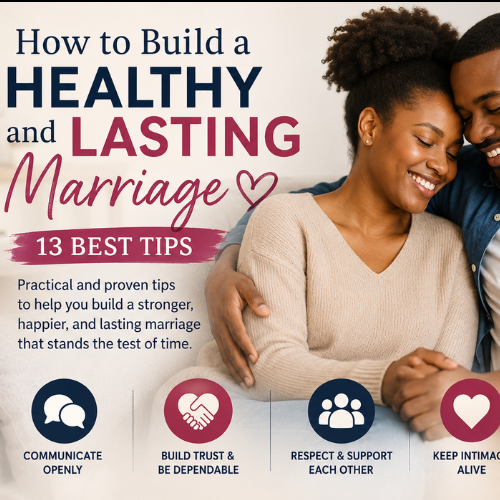
Read: How to Build a Healthy and Lasting Marriage: 13 Best Tips
10. Appreciation and Gratitude Are Expressed Regularly
One of the simplest yet most powerful signs of a healthy marriage is consistent appreciation. Many couples underestimate how far a simple “thank you” or acknowledgment can go in strengthening emotional connection.
In strong marriages, partners do not take each other for granted. They recognize effort, even in small things. Whether it’s handling household responsibilities, offering emotional support, or making sacrifices, appreciation is openly expressed.
I’ve noticed that when gratitude is absent, resentment slowly grows. But when appreciation is present, even challenges feel easier to handle. It creates a positive emotional environment where both partners feel valued and seen.
Healthy couples do not wait for special occasions to express gratitude; they make it part of everyday interaction.
11. Equality in Decision-Making
A healthy marriage thrives on partnership, not control. This means both individuals have an equal voice in important decisions that affect the relationship and family life.
In strong marriages, decisions are not made unilaterally. Instead, both perspectives are considered, discussed, and respected before conclusions are reached. This does not mean both partners always agree, but it means both are heard.
For example, financial decisions, parenting approaches, relocation plans, and major life changes are typically discussed together. This creates a sense of shared ownership and prevents feelings of dominance or exclusion.
Equality in decision-making builds trust and reinforces the idea that both partners are equally important in the relationship structure.
12. Ability to Apologize and Forgive
No marriage is free from mistakes. What separates healthy marriages from struggling ones is the ability to apologize sincerely and forgive genuinely.
I’ve observed that many conflicts linger not because of the issue itself, but because one or both partners are unwilling to acknowledge wrongdoing or let go of hurt. In healthy marriages, apologies are not defensive or forced—they are honest acknowledgments of impact.
Equally important is forgiveness. Forgiveness does not mean forgetting or ignoring boundaries, but it does mean releasing bitterness and choosing to move forward together.
When both apology and forgiveness are practiced consistently, emotional healing becomes faster, and trust is rebuilt more easily.
13. No Fear of Being Yourself
One of the deepest signs of a healthy marriage is authenticity. In strong relationships, both partners feel safe being their true selves without fear of rejection, mockery, or emotional punishment.
This means expressing opinions freely, showing emotions openly, and even admitting weaknesses without feeling less valued. I consider this one of the strongest indicators of emotional safety in a marriage.
When people cannot be themselves, they begin to hide parts of their identity. Over time, this creates emotional distance. But in a healthy marriage, acceptance allows both partners to grow without pretending.
14. Strong Friendship at the Core of the Marriage
Beyond romance and responsibility, the strongest marriages are built on friendship. This means genuinely enjoying each other’s company, laughing together, and sharing everyday moments with ease.
Friendship creates emotional stability. It is what keeps couples connected even when life becomes stressful or routine. In my experience, couples who genuinely like each other tend to last longer and experience deeper satisfaction in their marriage.
This friendship is reflected in simple things—talking about daily experiences, sharing jokes, supporting hobbies, and spending quality time without pressure.
When friendship is strong, marriage feels less like an obligation and more like a shared journey.
15. Commitment Even During Challenging Seasons
Every marriage will face difficult seasons. What defines a healthy marriage is not the absence of challenges, but the decision to remain committed through them.
Commitment in strong marriages is not based on convenience or mood. It is a conscious choice to stay invested, work through problems, and continue building together even when things are hard.
I’ve seen that couples who maintain commitment during hardship often emerge stronger. Challenges become turning points rather than breaking points.
True commitment is reflected in persistence, patience, and the willingness to keep showing up for each other, even when it is difficult.
Warning Signs: When a Marriage May Be Losing Its Health
While focusing on positive signs is important, it is also necessary to recognize early warning signals. A marriage may be struggling when communication becomes rare or hostile, emotional distance increases, or respect begins to fade.
Other warning signs include constant unresolved conflict, lack of affection, avoidance of important discussions, and emotional withdrawal.
These signs do not automatically mean a marriage is failing, but they do indicate that attention, communication, and effort are urgently needed to restore balance.
Awareness of these warning signs allows couples to take corrective steps before deeper emotional damage occurs.
Conclusion
A healthy marriage is not something that happens by chance—it is built intentionally through daily actions, emotional awareness, and mutual effort. The signs I’ve shared are not perfection markers, but relationship health indicators that show whether a marriage is growing in the right direction.
In my experience, the strongest marriages are not those without problems, but those where both partners consistently choose understanding, respect, and connection over pride or distance.
When these 15 signs are present and nurtured, marriage becomes more than a relationship—it becomes a stable, supportive, and deeply fulfilling partnership built to last.

Daniel Master is a relationship and marriage writer passionate about helping readers build healthier relationships, stronger marriages, and more meaningful connections. Through practical advice, thoughtful insights, and fresh perspectives on weddings and modern relationships, Daniel creates easy-to-understand content designed to help readers make confident decisions in love and life.