
Every marriage experiences seasons that test patience, commitment, and love. Some couples struggle with financial pressure, while others face communication breakdowns, parenting disagreements, emotional distance, health challenges, or unexpected life changes. These moments can make even the strongest relationship feel uncertain.
I have learned that difficult times do not automatically mean a marriage is failing. In many cases, challenges reveal areas that need attention rather than reasons to give up. Couples who understand how to navigate hardship often develop a deeper connection than they had before the struggle began. The goal is not to build a perfect marriage but to create one that can withstand life’s inevitable storms.
If you are searching for marriage advice for couples facing difficult times, you are probably looking for practical guidance instead of unrealistic promises. You want advice that works in everyday life, not just in theory. The good news is that there are proven habits that can help restore hope, rebuild trust, and strengthen your relationship one step at a time.
In this guide, I will share 16 practical pieces of marriage advice that can help couples overcome challenges together. Whether your marriage is going through a temporary rough patch or a prolonged season of hardship, these insights can help you move forward with greater understanding and confidence.
Why Every Marriage Faces Difficult Times
Many people enter marriage believing that true love should eliminate conflict. Unfortunately, that expectation often leads to disappointment. The reality is that marriage brings together two individuals with different personalities, backgrounds, communication styles, habits, and expectations. Even deeply committed couples will occasionally disagree.
Life itself also creates pressure that affects relationships. Financial setbacks, career changes, raising children, caring for aging parents, health problems, infertility, grief, and unexpected crises can place enormous stress on a marriage. These situations are not signs that your relationship is unique in its struggles—they are experiences shared by countless couples around the world.
One important truth I have observed is that difficult seasons often expose existing weaknesses rather than create them. For example, a financial crisis may reveal poor communication habits, while the arrival of a new baby may uncover unrealistic expectations about shared responsibilities. Recognizing these underlying issues gives couples an opportunity to address them before they become permanent problems.
Instead of viewing hardship as the end of your relationship, consider it an invitation to grow. Many successful marriages become stronger precisely because both partners chose to work together during the hardest moments instead of walking away when life became complicated.
The advice that follows is designed to help you do exactly that.
16 Marriage Advice for Couples Facing Difficult Times
1. Choose Each Other Every Day
Marriage is built on daily decisions, not occasional grand gestures. During difficult seasons, emotions often fluctuate. There may be days when you feel frustrated, disappointed, or emotionally exhausted. However, commitment should never depend entirely on feelings.
Choosing your spouse each day means deciding to remain respectful, supportive, and invested in the relationship even when circumstances are challenging. It is about remembering that you are on the same team.
For example, if financial stress is creating tension, remind yourselves that the problem is the budget—not each other. Approaching difficulties as partners instead of opponents changes the entire dynamic of your marriage.
2. Improve Communication Before Solving Problems
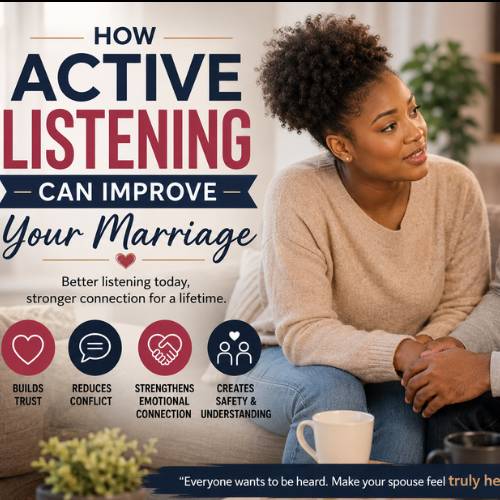
Many couples spend too much time trying to win arguments instead of understanding one another. Healthy communication creates solutions because both partners feel heard and respected.
Instead of interrupting or preparing your response while your spouse is speaking, listen carefully to understand their concerns. Ask thoughtful questions before offering advice or defending yourself.
Imagine one spouse saying, “I feel overwhelmed with everything happening at home.”
Rather than responding with, “You think you’re overwhelmed? What about me?” a healthier response would be, “Tell me more about what you’re feeling. I want to understand.”
That simple shift can completely change the direction of a conversation.
Recommended For You: 15 Communication Exercises for Married Couples
3. Stop Keeping Score
One of the fastest ways to create resentment in marriage is by keeping track of who has done more.
Comments like, “I always cook,” “I paid the last bill,” or “I apologized first last time,” gradually turn marriage into a competition instead of a partnership.
Healthy marriages focus less on equality in every individual moment and more on generosity over the long term. There will be seasons when one spouse carries more responsibility because the other is facing personal challenges.
Instead of asking, “Is everything exactly equal today?” ask, “How can I support my spouse during this season?” That mindset creates unity instead of division.
4. Practice Patience During Emotional Seasons
Stress affects people differently. Some become quiet, while others become emotional or easily frustrated. Recognizing these differences helps couples respond with empathy instead of criticism.
Patience does not mean ignoring harmful behavior, but it does mean allowing room for human imperfection. Everyone experiences moments when they are not at their best.
For instance, if your spouse has had an unusually difficult day at work, choosing a calm conversation later in the evening may be far more productive than addressing a disagreement the moment they walk through the door.
Patience often prevents small misunderstandings from becoming major conflicts.
5. Learn to Forgive Without Constantly Revisiting the Past
Forgiveness is one of the strongest foundations of a lasting marriage. Every couple makes mistakes. Some mistakes are small, while others require significant healing.
Choosing forgiveness does not erase the past or eliminate consequences. Instead, it allows both partners to move forward without carrying the constant burden of resentment.
Many couples unknowingly reopen healed wounds during every disagreement by bringing up old mistakes that have already been discussed and resolved. Over time, this damages trust and prevents emotional recovery.
True forgiveness means allowing healing to happen instead of continually reliving yesterday’s failures.
6. Protect Your Marriage From Outside Negativity
When couples experience difficulties, it can be tempting to share every detail with friends, coworkers, or relatives. While seeking wise advice is beneficial, inviting too many outside opinions often creates confusion and additional conflict.
Not everyone has your marriage’s best interests at heart. Some people unintentionally encourage resentment instead of reconciliation.
Choose carefully whom you trust with your relationship. A mature mentor, experienced married couple, or qualified marriage counselor can offer balanced guidance that strengthens your marriage rather than divides it.
Protecting your relationship also means establishing healthy boundaries with extended family, social media influences, and anyone whose involvement creates unnecessary tension between you and your spouse.
7. Remember Why You Fell in Love
During difficult seasons, couples often become so focused on solving problems that they forget the reasons they chose each other in the first place.
Take time to remember your early conversations, shared dreams, favorite memories, and the qualities that first attracted you to your spouse.
Simple habits such as looking through old photos, revisiting meaningful places, or talking about your happiest moments together can reignite appreciation that has been buried beneath stress.
While memories alone will not solve current challenges, they often restore hope by reminding couples that their relationship has already survived many meaningful chapters together.
8. Make Quality Time a Priority
When life becomes stressful, quality time is often the first thing couples sacrifice. Busy work schedules, parenting responsibilities, financial concerns, and endless daily tasks can slowly replace meaningful moments together. Before long, you may find yourselves living in the same house but feeling emotionally disconnected.
I believe quality time is one of the most valuable investments a couple can make, especially during difficult seasons. It doesn’t always require expensive vacations or elaborate date nights. Sometimes, the most meaningful moments happen during a quiet evening walk, cooking dinner together, or simply sitting down without distractions to talk about your day.
The key is consistency. Spending just thirty uninterrupted minutes together several times a week can strengthen emotional intimacy far more than occasional grand gestures. Turn off your phones, avoid discussing only responsibilities, and focus on reconnecting as husband and wife.
For example, one couple struggling with financial stress decided to schedule a weekly “coffee date” at home every Saturday morning. They couldn’t afford restaurants, but those conversations helped them rebuild emotional closeness while working through their challenges together.
9. Support Each Other Instead of Assigning Blame
When something goes wrong in a marriage, blaming each other may feel natural, but it rarely solves the actual problem. Blame creates defensiveness, while support encourages teamwork.
Instead of asking, “Whose fault is this?” ask, “How can we fix this together?”
This small change in perspective helps couples stop fighting against each other and start fighting for their marriage.
For instance, if one spouse loses a job, criticizing them for what happened will only increase stress and discouragement. A supportive response might sound like this:
“We’ll get through this together. Let’s create a plan and support each other until things improve.”
Words of encouragement can restore hope during some of life’s most difficult moments.
10. Learn How to Handle Conflict Respectfully
Disagreements are unavoidable in marriage. The difference between healthy and unhealthy marriages is not the absence of conflict but how conflict is managed.
Healthy couples avoid personal attacks, insults, shouting, sarcasm, and bringing unrelated issues into the conversation. They focus on solving one problem at a time.
If emotions become overwhelming, taking a short break is often wiser than continuing an argument that neither person can handle calmly.
For example, instead of saying,
“You never care about me.”
Try saying,
“I felt hurt when this happened because I needed your support.”
This approach communicates your feelings without attacking your spouse’s character.
Respectful conflict strengthens trust because both partners know disagreements can happen without damaging the relationship.
11. Be Willing to Admit When You’re Wrong
Pride has damaged countless marriages. Many arguments continue for days simply because neither spouse wants to apologize first.
Admitting you were wrong does not make you weak. In fact, it demonstrates maturity, humility, and emotional strength.
A sincere apology goes beyond saying, “I’m sorry.”
It also acknowledges the impact of your actions.
For example:
“I’m sorry I spoke to you harshly earlier. I know my words hurt you, and that’s not how I want to treat you.”
Apologies like this help rebuild trust because they accept responsibility instead of making excuses.
Over time, couples who apologize sincerely create a safer emotional environment where mistakes become opportunities for growth instead of permanent sources of resentment.
12. Celebrate Small Victories Together
When couples face prolonged challenges, they often become so focused on surviving that they forget to celebrate progress.
Every step forward deserves recognition.
Maybe you paid off a debt, improved your communication, completed marriage counseling, resolved a long-standing disagreement, or simply enjoyed a peaceful week after months of conflict.
Celebrating these moments reminds both spouses that progress is happening, even if the journey is not yet complete.
Celebrations don’t need to be expensive. A homemade dinner, a handwritten note, a movie night, or simply expressing appreciation can strengthen emotional connection.
Acknowledging progress gives couples motivation to keep moving forward together.
13. Continue Growing as Individuals
A healthy marriage consists of two individuals who continue growing personally while supporting each other’s development.
Personal growth includes improving emotional intelligence, developing healthier habits, strengthening faith, learning better communication skills, managing stress, and pursuing meaningful goals.
When both spouses become healthier individuals, the marriage naturally benefits.
For example, if one spouse works on managing anger while the other improves listening skills, both changes positively influence the relationship.
Never assume personal growth ends after the wedding day. Strong marriages continue evolving because both partners remain committed to becoming better people.
14. Keep Physical and Emotional Intimacy Alive
Intimacy extends far beyond physical affection. It includes emotional closeness, trust, vulnerability, kindness, and feeling emotionally safe with one another.
During difficult times, intimacy often suffers because stress consumes emotional energy.
Small acts of affection can help restore connection.
Holding hands during a walk, giving an unexpected hug, complimenting your spouse, sending an encouraging text message, or simply sitting together after a long day can strengthen emotional bonds.
Physical affection communicates love in ways words sometimes cannot.
Likewise, emotional intimacy grows when couples openly share their fears, dreams, disappointments, and hopes without fear of judgment.
15. Never Stop Expressing Appreciation
One of the easiest ways to improve a marriage is by expressing gratitude regularly. Unfortunately, many couples slowly begin taking each other for granted.
The daily responsibilities your spouse handles—working, cooking, cleaning, caring for children, offering emotional support—can become so routine that they go unnoticed. I encourage couples to intentionally acknowledge these efforts.
Simple statements such as:
- “Thank you for everything you do for our family.”
- “I appreciate how hard you’ve been working.”
- “I noticed what you did today, and it meant a lot to me.”
These words may seem small, but they create an atmosphere of appreciation that strengthens relationships over time.
People naturally feel closer to those who make them feel valued.
16. Never Lose Hope in Your Marriage
Some seasons of marriage feel incredibly difficult. There may be moments when progress seems painfully slow or when it feels easier to give up than continue trying. However, many successful marriages have survived challenges that once appeared impossible to overcome.
The difference is that both spouses remained committed to working through the difficulties together. Hope is not pretending problems don’t exist. Hope is believing they can be addressed with patience, commitment, honest communication, forgiveness, and consistent effort. Every healthy marriage has a story of obstacles overcome. Yours can become one of those stories too.
If both partners remain willing to grow, seek help when necessary, and continue choosing each other every day, difficult times can become the very experiences that strengthen your marriage for years to come.
Common Mistakes Couples Should Avoid During Hard Times
Even couples with the best intentions can make mistakes when life becomes overwhelming. Stress often affects judgment, communication, and emotional control, causing people to react instead of respond. While every marriage is different, I have noticed that certain habits consistently make difficult situations worse rather than better.
Recognizing these mistakes early can prevent unnecessary damage and help couples refocus on strengthening their relationship instead of allowing problems to grow.
One of the biggest mistakes is assuming your spouse knows how you feel without you saying it. Mind-reading is not part of a healthy marriage. If you are hurt, overwhelmed, or disappointed, communicate your feelings respectfully instead of expecting your spouse to figure everything out on their own.
Another common mistake is allowing small issues to pile up until they become major conflicts. Ignoring problems rarely makes them disappear. In many cases, unresolved frustrations quietly build resentment over time. Addressing concerns early, while emotions are still manageable, is usually much easier than waiting until anger takes over.
Many couples also fall into the trap of criticizing each other’s character instead of discussing specific behaviors. Saying, “You’re lazy,” or “You never care about this family,” attacks your spouse personally. A healthier approach is to explain how a specific action affected you and discuss how both of you can improve moving forward.
Comparing your marriage to someone else’s is another mistake worth avoiding. Social media often shows carefully selected highlights rather than everyday reality. Looking at another couple’s vacation photos or anniversary celebrations does not reveal the challenges they may be facing behind closed doors. Every marriage has its own journey, and comparing yours to someone else’s only creates unrealistic expectations.
Withdrawing emotionally is equally damaging. Some people cope with stress by becoming silent, avoiding conversations, or spending excessive time at work, on their phones, or with hobbies. While everyone needs personal space occasionally, prolonged emotional distance often causes loneliness within marriage. Even difficult conversations are healthier than complete silence.
Finally, refusing to ask for help can prevent a marriage from improving. There is no shame in seeking guidance from a trusted mentor, pastor, or licensed marriage counselor when problems become difficult to manage alone. Many strong marriages become stronger because couples were willing to receive wise advice before the relationship reached a breaking point.
When to Seek Professional Marriage Counseling
Every marriage experiences disagreements, but some situations require more than personal effort. Seeking professional counseling is not a sign that your marriage has failed. Instead, it demonstrates a willingness to protect the relationship and learn healthier ways of resolving conflict.
If the same arguments continue for months without resolution, counseling can help identify the deeper issues causing repeated disagreements. Sometimes couples focus on surface-level problems while missing the underlying emotional needs driving the conflict.
Loss of trust is another reason to seek professional support. Whether trust has been damaged by dishonesty, emotional distance, financial secrecy, or another painful experience, rebuilding it often requires intentional guidance. A qualified marriage counselor can provide practical tools for restoring communication and accountability.
Couples should also consider counseling if they struggle to communicate without arguments escalating into shouting, insults, or complete silence. Healthy communication is a skill that can be learned, and professional guidance often helps couples replace destructive habits with healthier ones.
Major life transitions can also place enormous pressure on a marriage. Events such as losing a job, welcoming a new baby, relocating, caring for elderly parents, experiencing infertility, or grieving the loss of a loved one may create emotional strain that feels difficult to manage alone.
It is important to remember that counseling is often most effective when couples seek help early. Waiting until one spouse has emotionally checked out makes rebuilding the relationship much harder. Taking action while both partners are still willing to grow together gives the marriage a much stronger foundation for healing.
Frequently Asked Questions (FAQ)
Can a marriage survive difficult times?
Yes. Many marriages become stronger after overcoming difficult seasons. Challenges such as financial hardship, family stress, communication problems, or emotional distance do not automatically end a marriage. When both spouses are committed to improving communication, rebuilding trust, and working together, many relationships emerge healthier than before.
What is the best marriage advice for couples facing difficult times?
The best advice is to approach problems as a team instead of treating each other as opponents. Honest communication, patience, forgiveness, mutual respect, and a willingness to seek help when necessary are some of the most effective ways to strengthen a marriage during challenging seasons.
How can I support my spouse during a stressful period?
Start by listening without immediately trying to fix every problem. Offer encouragement, spend quality time together, share responsibilities whenever possible, and remind your spouse that they are not facing the challenge alone. Small acts of kindness often have a greater impact than grand gestures.
When should couples consider marriage counseling?
Couples should consider counseling when communication consistently breaks down, trust has been damaged, conflicts remain unresolved for long periods, or emotional distance continues to grow despite sincere efforts to improve the relationship. Seeking help early often leads to better outcomes.
Can communication really save a struggling marriage?
Communication alone cannot solve every problem, but healthy communication is often the foundation that allows couples to solve problems together. When both spouses feel heard, respected, and understood, they are more likely to work as partners instead of adversaries.
Conclusion
Every marriage will face seasons that test love, patience, and commitment. Difficult times are not unusual—they are part of sharing life with another person. What ultimately determines the strength of a marriage is not whether challenges appear, but how both spouses choose to respond when they do.
The 16 marriage advice for couples facing difficult times shared in this guide are not quick fixes. They are practical habits that, when practiced consistently, can transform the way couples communicate, resolve conflict, rebuild trust, and support one another through life’s toughest moments.
Remember that lasting change rarely happens overnight. Healthy marriages are built through thousands of small decisions made with love, humility, patience, and perseverance. Every respectful conversation, sincere apology, thoughtful act of kindness, and intentional moment spent together moves your relationship in a positive direction.
If your marriage is currently going through a difficult season, don’t lose hope. Every challenge presents an opportunity to grow closer, understand each other more deeply, and build a stronger foundation for the future. With commitment from both partners and a willingness to keep learning, your marriage can not only survive difficult times—it can become stronger because of them.

Daniel Master is a relationship and marriage writer passionate about helping readers build healthier relationships, stronger marriages, and more meaningful connections. Through practical advice, thoughtful insights, and fresh perspectives on weddings and modern relationships, Daniel creates easy-to-understand content designed to help readers make confident decisions in love and life.