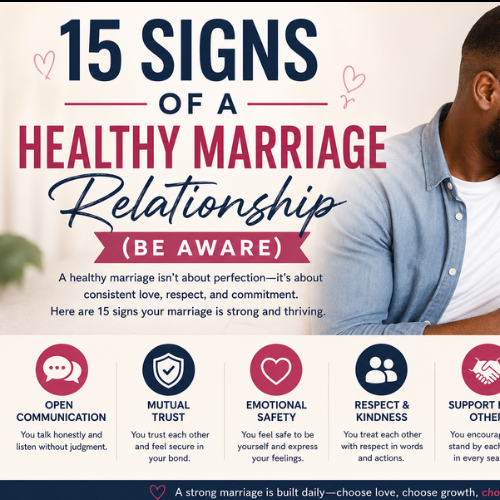

Trust is the foundation of every strong marriage. Without it, even the deepest love can begin to feel uncertain, stressful, and emotionally exhausting. When trust is broken—whether through lies, broken promises, emotional distance, financial secrets, or infidelity—it can leave both spouses wondering if the relationship will ever feel safe again. The emotional pain often runs deeper than people expect because trust is what allows two people to feel secure, respected, and valued in their marriage.
The good news is that broken trust does not always mean a broken marriage. In my experience, many couples have successfully rebuilt stronger relationships after experiencing painful setbacks. The process is not quick, and it certainly is not easy, but it is possible when both partners are willing to commit to genuine change. Rebuilding trust requires honesty, consistency, patience, empathy, and intentional actions that demonstrate love instead of merely talking about it.
If you are searching for how to rebuild trust after breaking it in marriage in a simple and romantic way, chances are you are looking for practical steps rather than empty promises. You may be the spouse who broke the trust and wants to make things right, or you may be the one who was hurt and is wondering whether healing is even possible. Regardless of where you stand today, this guide will help you understand the rebuilding process and show you romantic yet realistic ways to reconnect emotionally.
By the end of this article, you will have a clear roadmap for restoring trust, strengthening emotional intimacy, and creating a healthier marriage that is built on honesty instead of fear.
What Happens When Trust Is Broken in a Marriage?
Trust rarely disappears overnight. In many marriages, it slowly weakens after repeated disappointments, dishonesty, emotional neglect, or actions that make one spouse question the other’s reliability. Sometimes a single major mistake, such as an affair or serious deception, can shatter years of confidence within moments. Other times, countless small lies and broken promises gradually create emotional distance until the relationship feels fragile.
When trust is broken, the emotional effects often extend far beyond the original mistake. The hurt spouse may begin questioning everything they once believed. Simple situations suddenly become sources of anxiety. They may wonder where their partner is, whether they are telling the truth, or if another betrayal is waiting around the corner. Even innocent actions can become difficult to believe because the sense of security has been damaged.
The spouse who broke the trust also experiences emotional challenges. Many genuinely regret their actions and desperately want forgiveness, yet they become frustrated when healing takes much longer than expected. They may believe that saying “I’m sorry” should fix everything, only to discover that rebuilding trust depends more on consistent behavior than heartfelt words.
For example, imagine a husband who secretly accumulated significant credit card debt without telling his wife. Although the issue may not involve another relationship, the hidden financial decisions can leave his wife feeling betrayed because honesty was violated. Even after the debt is resolved, rebuilding confidence may require months of open financial communication before she feels secure again.
This example shows that trust is about much more than avoiding major betrayals. It is about creating an environment where both spouses feel emotionally safe enough to believe each other’s words and actions.
Can a Marriage Survive Broken Trust?
One of the most common questions couples ask is whether their marriage can truly survive after trust has been broken. The honest answer is yes—but survival depends on what happens after the betrayal rather than the betrayal itself.
Many marriages become stronger because the crisis forces both partners to address problems they had ignored for years. Difficult conversations finally happen. Emotional needs become clearer. Communication improves. Healthy boundaries are established. While no couple wishes to experience broken trust, some relationships emerge healthier because both spouses become more intentional about protecting their marriage.
However, rebuilding trust requires participation from both people. The spouse who caused the hurt must demonstrate genuine accountability rather than making excuses. Meanwhile, the injured spouse needs time, emotional support, and a willingness to gradually accept positive changes instead of expecting instant perfection.
One important misunderstanding is believing forgiveness automatically restores trust. These are two different processes. A spouse may choose to forgive relatively early for their own emotional healing while still needing considerable time before fully trusting again. Trust is earned through repeated evidence that the harmful behavior has truly changed.
Consider another example. A wife repeatedly promises to stop hiding purchases from her husband but continues making secret online purchases every few weeks. Although she apologizes each time, her repeated behavior prevents trust from recovering. On the other hand, if she becomes completely transparent about every purchase for many months, consistently keeps her promises, and openly discusses financial decisions, her husband gradually begins to feel secure again.
This illustrates an important principle: trust returns when actions consistently match words over an extended period.
11 Simple and Romantic Ways to Rebuild Trust After Breaking It in Marriage
1. Take Full Responsibility Without Making Excuses
The first step toward rebuilding trust is accepting complete responsibility for your actions. This may sound obvious, but many people unintentionally slow the healing process by defending themselves or shifting part of the blame onto their spouse.
Statements such as, “I only lied because you would have been angry,” or, “If we communicated better, this wouldn’t have happened,” often make the hurt partner feel that their pain is being minimized. Even when there were existing marital problems, each spouse remains responsible for their own choices.
Instead, acknowledge the specific mistake without conditions. Let your spouse see that you understand the emotional impact of what happened. Genuine accountability demonstrates maturity and creates the first building block toward renewed trust.
A sincere apology is not simply saying “I’m sorry.” It includes recognizing the pain you caused, expressing genuine remorse, and committing to lasting change.
2. Be Completely Honest From This Point Forward
Once trust has been broken, even small lies can create enormous setbacks. Many couples underestimate how important complete honesty becomes during the recovery process.
Being truthful means more than avoiding deception. It means willingly providing information before your spouse has to ask. Openness reduces uncertainty and gradually replaces suspicion with confidence.
For example, if you say you will arrive home at 6:00 PM but realize you will be delayed, send a quick message explaining why. While this may seem like a small gesture, consistent transparency sends a powerful message that you value honesty and respect your spouse’s emotional security.
Over time, these seemingly ordinary actions accumulate into something much greater—they rebuild confidence one day at a time.
3. Let Your Actions Speak Louder Than Your Words
One of the biggest mistakes people make after breaking trust is believing that repeated promises will repair the damage. In reality, actions carry much more weight than words.
Your spouse has likely heard promises before. What they need now is evidence that lasting change has truly occurred. This evidence comes from daily consistency rather than dramatic gestures.
If you promise greater openness, practice openness every day. If you commit to better communication, follow through consistently. If you promise to respect boundaries, honor them without complaint.
Imagine watering a plant every day. You may not notice immediate growth, but over time the steady care produces visible results. Trust grows in much the same way. Small, faithful actions repeated over many weeks become powerful proof that genuine transformation has taken place.
4. Reconnect Through Small Romantic Gestures
Romance alone cannot repair broken trust, but thoughtful expressions of love can soften emotional distance while healing progresses.
Simple gestures often have greater impact than expensive surprises because they communicate genuine care instead of attempting to buy forgiveness.
Some meaningful romantic ideas include:
- Writing a heartfelt handwritten letter.
- Leaving encouraging notes where your spouse will find them.
- Planning a peaceful evening together without distractions.
- Cooking your spouse’s favorite meal.
- Taking an evening walk while having an honest conversation.
- Giving your full attention during quality time without checking your phone.
These gestures remind your spouse that your commitment extends beyond fixing a mistake—you are intentionally investing in the relationship itself.
The key is sincerity. Romantic actions should never become tools for pressuring your spouse to forgive quickly. Instead, they should communicate patience, affection, and a genuine desire to rebuild emotional closeness.
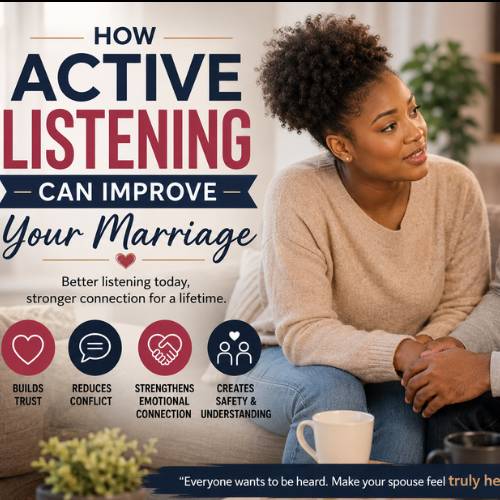
5. Learn to Listen Without Becoming Defensive
One of the greatest gifts you can offer your spouse during the healing process is your willingness to truly listen. Many people hear the words their partner is saying, but they are already preparing a response or trying to defend themselves before the conversation even ends. That habit only creates more emotional distance.
If your spouse wants to talk about how your actions affected them, allow them to express those feelings without interrupting. Resist the urge to explain your intentions or convince them to “move on.” Remember, they are not asking you to relive the mistake repeatedly—they are asking you to understand the pain it caused.
Listening without defensiveness communicates respect. It tells your spouse that their emotions matter and that you are mature enough to hear difficult truths. In my experience, this simple change often opens the door to healthier communication because the hurt partner finally feels heard instead of dismissed.
For example, if your husband says, “I still struggle to believe what you tell me,” avoid responding with, “But I’ve already apologized!” Instead, try saying, “I understand why you still feel that way. I know rebuilding your trust will take time, and I’m committed to earning it.”
That response shifts the conversation from conflict to healing.
6. Be Patient With the Healing Process
One of the biggest misunderstandings about rebuilding trust is expecting everything to return to normal within a few weeks. Emotional wounds rarely heal on a predictable timeline.
Some days your marriage may feel hopeful, while other days old emotions may suddenly return. That does not mean your relationship is failing. It simply means healing is rarely a straight path.
If you were the one who broke the trust, avoid asking questions like:
- “Why can’t you just forgive me?”
- “When will you trust me again?”
- “Are we ever going to move past this?”
Although these questions are understandable, they often make your spouse feel pressured to heal faster than they are emotionally able to.
Instead, demonstrate patience through consistent actions. Every honest conversation, fulfilled promise, and loving decision adds another brick to the foundation you are rebuilding.
Think of trust like repairing a beautiful glass vase. Even after carefully putting the pieces back together, the adhesive needs time to fully strengthen. Rushing the process only increases the chance of breaking it again.
7. Create New Positive Memories Together
When trust has been broken, many couples become trapped in memories of pain. Every conversation revolves around what happened, leaving little room to build a hopeful future.
While you should never ignore unresolved issues, it is equally important to begin creating fresh experiences together. Positive memories help remind both spouses that their relationship is more than its worst moment.
Simple romantic experiences can gradually strengthen your emotional connection, such as:
- Going on regular date nights.
- Watching the sunset together.
- Cooking dinner as a team.
- Taking a weekend getaway.
- Dancing in your living room.
- Trying a new hobby together.
- Revisiting the place where you first met or got engaged.
These shared experiences will not erase painful memories, but they create new emotional anchors that remind you why your marriage is worth fighting for.
For example, a couple who schedules one intentional date night every week often discovers that meaningful conversations happen more naturally outside the stress of daily responsibilities.
8. Keep Every Promise—Even the Small Ones
Broken trust often begins with broken promises.
Many people focus only on repairing the major betrayal while overlooking the everyday commitments that either strengthen or weaken credibility.
If you promise to call, call.
If you promise to come home on time, make every effort to keep that commitment.
If you promise to help with household responsibilities, follow through consistently.
Small promises may appear insignificant on their own, but together they create a powerful message: “You can rely on me again.”
Imagine someone trying to rebuild a bridge after a storm. Every bolt matters. Ignoring even a few weak connections could cause the bridge to collapse again. Trust works in much the same way. Every kept promise reinforces the stability of your marriage.
Over time, your spouse will begin noticing that your words consistently match your actions, and confidence will slowly return.
9. Rebuild Emotional Intimacy Before Expecting Complete Trust
Many couples focus entirely on repairing trust while forgetting that emotional intimacy also needs attention.
Emotional intimacy grows when spouses feel emotionally safe enough to share their fears, dreams, frustrations, and hopes without fear of criticism or rejection.
Make it a habit to ask thoughtful questions such as:
- “How have you been feeling lately?”
- “Is there anything I can do to help you feel more secure?”
- “What would make you feel more loved this week?”
These conversations demonstrate genuine concern rather than simply trying to fix a problem.
Romantic affection also plays an important role. Holding hands, hugging, making eye contact during conversations, expressing appreciation, and spending uninterrupted quality time together all strengthen emotional closeness.
When emotional intimacy improves, trust often follows because both spouses begin feeling connected again instead of isolated.
10. Show Consistency Every Single Day
Consistency is one of the strongest indicators that genuine change has taken place.
Anyone can behave differently for a few days after making a mistake. The real challenge is maintaining those positive habits for weeks, months, and even years.
Your spouse is paying attention to patterns, not isolated moments.
If honesty becomes your new lifestyle instead of a temporary effort, your credibility gradually grows stronger.
Consistency also means responding well when difficult conversations arise. Continue being patient, transparent, respectful, and dependable even after you feel the relationship is improving.
One of the greatest compliments a spouse can eventually say is, “I know I can count on you.”
That level of confidence is built through hundreds of ordinary decisions made consistently over time.
11. Pray Together and Strengthen Your Shared Values
For couples who share the same faith, praying together can become one of the most meaningful ways to rebuild trust.
Prayer creates space for humility, forgiveness, and emotional honesty. It reminds both spouses that marriage is not simply about avoiding mistakes but about growing together through life’s challenges.
Beyond prayer, spend time discussing the values you want your marriage to reflect moving forward.
These values may include:
- Honesty
- Respect
- Loyalty
- Kindness
- Forgiveness
- Transparency
- Patience
- Commitment
When both spouses intentionally live by these values, trust becomes more than an emotion—it becomes a daily habit.
Rather than focusing only on avoiding another mistake, focus on becoming better partners every day. A marriage built on shared values is often far more resilient when future challenges arise.
Why Rebuilding Trust Takes Time (What to Expect)
Many people become discouraged because they expect trust to return as quickly as it was lost. Unfortunately, that is rarely how healing works.
Trust is built through repeated positive experiences over time. Every honest conversation, fulfilled promise, thoughtful gesture, and patient response gradually replaces painful memories with reassuring ones.
There may be moments when your spouse suddenly remembers what happened and becomes emotional again. This does not necessarily mean they have stopped healing. Emotional recovery often comes in waves, especially after a deep betrayal.
Instead of measuring progress by whether painful memories still exist, pay attention to whether your marriage is becoming healthier overall. Are conversations becoming more respectful? Are arguments ending more peacefully? Are you both communicating more openly? These are encouraging signs that trust is quietly being restored.
Most importantly, avoid comparing your marriage to anyone else’s. Every relationship heals at its own pace because every situation is unique. Stay committed to consistent growth, and allow trust to return naturally rather than forcing it.
Common Mistakes That Delay Trust Recovery
Rebuilding trust is difficult enough without unintentionally making the process harder. Unfortunately, many couples repeat certain behaviors that slow emotional healing, even when they genuinely want their marriage to improve. Recognizing these mistakes early can help you avoid unnecessary setbacks and move forward with greater confidence.
One of the most damaging mistakes is expecting forgiveness to happen on your timeline. If you are the spouse who broke the trust, it is natural to want your partner to forgive you quickly so life can return to normal. However, emotional healing does not work on a schedule. Pressuring your spouse to “move on” or repeatedly asking if they trust you again often creates more frustration instead of reassurance.
Another common mistake is becoming inconsistent. Some people work hard to regain trust for a few weeks, then slowly return to old habits once things seem calmer. This inconsistency sends mixed signals and may cause your spouse to question whether the change was genuine or only temporary.
Many couples also avoid difficult conversations because they fear reopening old wounds. While it is wise not to dwell on the past every day, refusing to discuss unresolved concerns can leave emotional scars unhealed. Healthy communication allows both spouses to process what happened and continue moving forward together.
Comparing your marriage to someone else’s relationship can also be harmful. You may hear stories of couples who recovered within months or others who struggled for years. Every marriage is different because every betrayal, personality, and emotional response is unique. Focus on your own progress instead of measuring it against another couple’s timeline.
Lastly, do not underestimate the importance of self-improvement. Rebuilding trust is not only about repairing the relationship—it is also about becoming a more honest, dependable, and emotionally mature spouse. Lasting change begins with personal growth, and your spouse will notice that transformation over time.
Signs That Trust Is Slowly Returning in Your Marriage
Trust usually returns quietly rather than all at once. Instead of one dramatic moment, you will likely notice small improvements that gradually become part of your daily relationship.
One of the first signs is more open communication. Conversations become less guarded, and both spouses feel more comfortable expressing their thoughts and emotions without immediately expecting conflict. Difficult discussions become opportunities to understand one another rather than arguments to win.
Another encouraging sign is reduced suspicion. The hurt spouse may no longer feel the need to constantly verify every statement or question every action. While occasional doubts may still arise, they become less frequent as consistent honesty replaces uncertainty.
You may also notice an increase in affection and emotional closeness. Simple acts such as holding hands, hugging, laughing together, or planning future activities begin to feel natural again. These moments indicate that emotional safety is slowly returning.
Future planning is another positive indicator. Couples who are rebuilding trust often begin talking about vacations, financial goals, family plans, or personal dreams together. Looking ahead demonstrates that both spouses believe the marriage has a future worth investing in.
Perhaps the strongest sign is peace replacing constant anxiety. Your marriage no longer feels like it is defined by the mistake that damaged trust. Instead, your daily interactions become centered on love, teamwork, honesty, and mutual respect.
Remember that healing is rarely perfect. There may still be occasional setbacks or emotional days, but those moments become less powerful as your relationship continues to grow stronger.
When to Seek Marriage Counseling or Professional Help
Although many couples successfully rebuild trust on their own, there are situations where professional guidance can make a significant difference.
If the same arguments continue without resolution, if communication always ends in anger, or if one spouse feels emotionally stuck despite sincere efforts, seeking marriage counseling is a wise decision rather than a sign of failure.
A trained marriage counselor provides a safe environment where both partners can express their feelings honestly without the conversation turning into blame or defensiveness. They can also help identify unhealthy communication patterns, unresolved emotional wounds, and practical strategies for rebuilding trust more effectively.
Professional help is especially valuable after major betrayals such as repeated dishonesty, emotional affairs, physical infidelity, financial deception, or long-term secrecy. These situations often involve complex emotions that are difficult to navigate alone.
For example, a counselor may help a couple establish healthy communication routines, create realistic expectations for rebuilding trust, and develop accountability practices that help both spouses feel more secure moving forward.
Seeking help should never be viewed as admitting defeat. In fact, it demonstrates that both partners value their marriage enough to invest in its future. Many of the strongest marriages are those in which couples were willing to ask for guidance when they realized they could not solve every challenge by themselves.
The goal of counseling is not simply to fix problems but to equip couples with healthier relationship skills they can continue using for years to come.
Conclusion
Learning how to rebuild trust after breaking it in marriage is not about finding a quick solution—it is about making daily choices that demonstrate love, honesty, and commitment. While broken trust can leave deep emotional wounds, it does not have to define the future of your marriage.
I have seen that trust grows back through consistent actions far more than through repeated promises. Every honest conversation, every kept commitment, every act of kindness, and every moment of patience helps rebuild the emotional safety that every healthy marriage needs. The journey may be challenging, but it is also an opportunity to create a relationship that is stronger, more transparent, and more resilient than before.
Remember that healing is a shared process. If both spouses are willing to take responsibility, communicate openly, extend grace, and remain committed to positive change, trust can be restored one day at a time. Instead of focusing only on the mistake that damaged your relationship, choose to focus on the countless opportunities you have to rebuild it.
Your marriage does not have to be perfect to thrive. It simply needs two people who are willing to love intentionally, grow continuously, and never stop choosing each other—even after trust has been broken.

Daniel Master is a relationship and marriage writer passionate about helping readers build healthier relationships, stronger marriages, and more meaningful connections. Through practical advice, thoughtful insights, and fresh perspectives on weddings and modern relationships, Daniel creates easy-to-understand content designed to help readers make confident decisions in love and life.