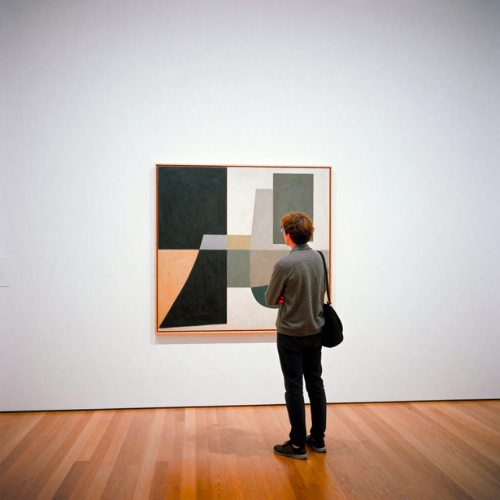
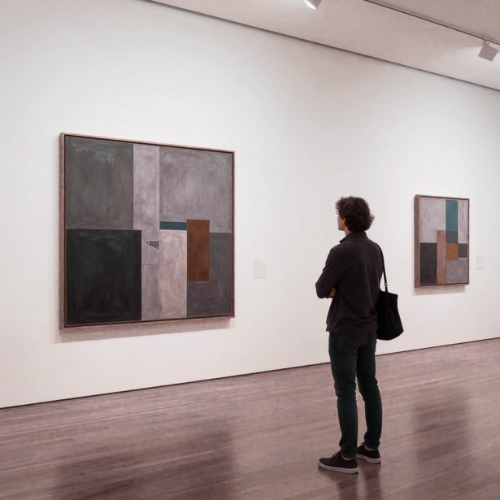
Walking into your first art exhibition can feel both exciting and slightly intimidating. I remember how many first-time visitors describe that moment—the quiet anticipation, the unfamiliar space, and the feeling that everyone else somehow knows more than they do. That reaction is completely normal.
An art exhibition is not a test of knowledge or taste. It is an experience. From years of working inside galleries and guiding visitors through exhibitions, I can confidently say that the most memorable visits come from curiosity, not expertise.
If you are wondering what to expect at your first art exhibition, this guide will walk you through it honestly and clearly, without unnecessary jargon or assumptions.
What an Art Exhibition Really Is (Beyond the Stereotypes)
Many people imagine art exhibitions as silent rooms filled with confusing artwork and serious-looking people nodding thoughtfully. While some exhibitions can be quiet and contemplative, most are far more welcoming than popular culture suggests.
At its core, an art exhibition is simply a curated space where artworks are displayed with intention. Each piece has been selected to communicate something—an idea, a feeling, a moment in time, or a personal story from the artist.
From my professional experience, exhibitions vary widely. Some are small and intimate, others bold and immersive. Some invite conversation, while others encourage quiet reflection. There is no single “correct” way an exhibition should feel.
Why People Attend Art Exhibitions for the First Time
First-time visitors often attend art exhibitions for different reasons. Some are invited by a friend. Others are curious after seeing art online or hearing about a local gallery opening. Many simply want a new cultural experience.
I have noticed that most beginners are not looking to become experts overnight. They want to understand what is happening around them and feel comfortable in the space. That desire—to feel included rather than impressed—is something galleries are increasingly mindful of.
Your reason for attending does not need to be profound. Wanting to explore something new is more than enough.
Preparing for Your First Art Exhibition
Preparation for an art exhibition does not require studying art history or memorizing artist names. In fact, over-preparing can sometimes create unnecessary pressure.
What I usually recommend is simple. Know the exhibition location, check the opening hours, and see whether it is a public viewing or an opening night event. This helps set expectations before you arrive.
Mentally, it helps to remind yourself that the exhibition exists for viewers. You are not intruding. You are participating. That shift in mindset makes a noticeable difference in how relaxed and open you feel once inside.
What to Wear to an Art Exhibition
One of the most common questions I hear is about clothing. People worry about looking out of place or underdressed. The truth is that art exhibitions rarely have strict dress codes.
From years inside galleries, I can say that comfort matters more than style. Smart casual attire is usually ideal, especially if you plan to stand or walk for extended periods.
What you wear should help you feel confident and at ease. When you are comfortable, you engage more naturally with the artwork and the environment.
What You’ll See When You First Walk In
The first moments inside an art exhibition often set the tone for the entire visit. Typically, you will be greeted by an open space designed to ease visitors into the exhibition.
You may notice a welcome desk, wall text introducing the exhibition, or a gallery attendant nearby. These elements are there to guide you, not monitor you. Gallery staff are trained to assist and answer questions, even if they do not always initiate conversation.
Take a moment to look around before approaching the artwork. That brief pause allows you to absorb the atmosphere and settle into the experience.
Understanding the Layout of an Art Exhibition
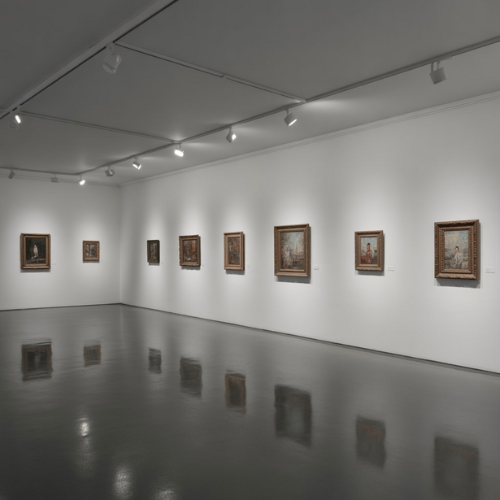
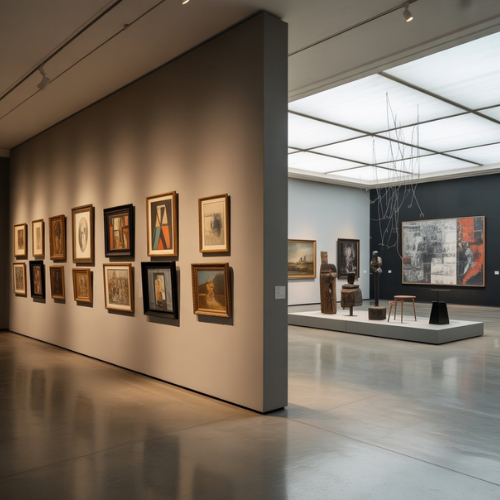
Art exhibitions are carefully arranged, even when they appear minimal or simple. The layout often follows a narrative or conceptual flow, guiding viewers from one section to another.
Some exhibitions encourage a linear path, while others allow visitors to move freely. From professional experience, I always advise first-time visitors to follow their instincts rather than overthinking direction.
If you ever feel unsure, stepping back and observing how others move through the space can be helpful. There is no wrong route through an exhibition.
How to Look at Art Without Feeling Intimidated
Looking at art does not require specialized language or immediate interpretation. One of the biggest misconceptions is that viewers must understand what the artist “meant” to enjoy the piece.
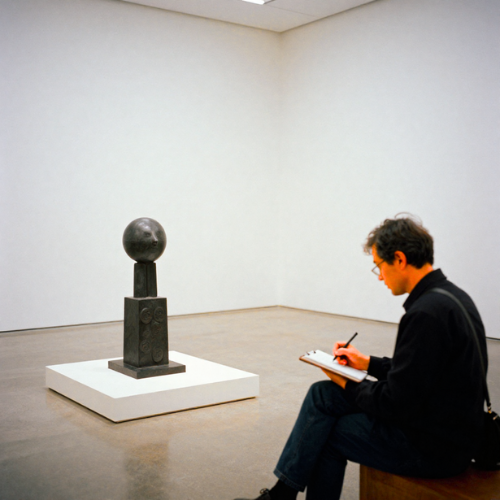
I encourage visitors to start with observation. Look at colors, shapes, materials, and scale. Notice how the artwork makes you feel before trying to analyze it.
Art is a conversation, not a riddle. Your reaction matters, even if it differs from someone else’s. In professional gallery settings, personal engagement is valued far more than correct answers.
Reading Artwork Labels and Artist Statements
Artwork labels exist to provide context, not to overwhelm. They usually include the artist’s name, title of the work, medium, and year. Sometimes there is a short description or artist statement.
From my experience, it is best to look at the artwork first and read the label afterward. This allows you to form an initial impression without influence.
Artist statements can deepen understanding, but they are optional. If a statement feels confusing, it is perfectly acceptable to move on and return later with fresh eyes.
How Long You Should Spend at an Art Exhibition
There is no ideal duration for an art exhibition visit. Some people spend twenty minutes, others several hours. Both approaches are valid.
I often tell first-time visitors that quality matters more than quantity. Spending meaningful time with a few artworks can be more rewarding than rushing through everything.
Listen to your energy level. When you begin to feel mentally full, it is a sign you have engaged enough for one visit. Art exhibitions are meant to be revisited, not completed in one sitting.
What Gallery Etiquette You Should Know
Gallery etiquette is usually straightforward. Do not touch the artwork unless explicitly invited to do so. Keep a respectful distance, especially with fragile or mixed-media pieces.
Speaking quietly is encouraged, but complete silence is rarely required. Conversations are welcome as long as they do not disrupt others.
From years in gallery environments, I can confidently say that respectful curiosity is always appreciated. If you are unsure about a rule, asking a staff member is never a problem.
Interacting With Artists, Curators, or Staff
Meeting artists or curators can feel intimidating, but these interactions are often the most rewarding part of an exhibition experience.
Most professionals in the art world genuinely enjoy discussing the work. You do not need an intelligent question prepared. A simple observation or genuine reaction is enough to start a conversation.
Gallery staff are there to support your visit. Whether you need directions, clarification, or reassurance, they are trained to help you feel welcome.
Is It Okay to Ask Questions at an Art Exhibition?
Asking questions at an art exhibition is not only acceptable, it is encouraged. From my experience working in gallery spaces, curiosity is often the clearest sign of genuine engagement with the artwork.
You do not need to ask complex or academic questions. Simple inquiries such as how a piece was made, what inspired the artist, or why certain materials were chosen are perfectly appropriate.
If a staff member or artist is available, they are usually happy to share insight. If no one is nearby, reflecting on your questions privately is still part of the learning process.
Common Feelings First-Time Visitors Experience
First-time visitors often experience a mix of emotions. Excitement is common, but so is uncertainty. Many people worry about not understanding the artwork or feeling out of place.
These feelings tend to fade quickly once you realize there is no pressure to perform or impress. Over time, confidence grows naturally as you spend more time with the art.
In my professional experience, those initial emotions often turn into curiosity and appreciation by the end of the visit.
What You’re Not Expected to Know (But Many Think They Are)
One of the biggest myths about art exhibitions is that visitors are expected to recognize artists, styles, or historical references.
In reality, most exhibitions are designed for a broad audience. Prior knowledge is not required to enjoy or respond to the work.
I have seen countless visitors relax once they realize that there is no hidden standard they are failing to meet. Art is about engagement, not credentials.
Can You Take Photos at an Art Exhibition?
Photography policies vary from one exhibition to another. Some galleries allow photos without flash, while others restrict photography entirely.
The best approach is to look for signage near the entrance or ask a staff member. This avoids misunderstandings and shows respect for the space.
When photography is allowed, remember that the experience itself matters more than capturing images. Taking time to observe without a camera often leads to a deeper connection.
Buying Art at an Exhibition: What First-Timers Should Know
Purchasing art at an exhibition can feel intimidating, especially for first-time visitors. There is often a misconception that buying art requires wealth or expertise.
In reality, galleries offer works at various price points. Asking about pricing does not create pressure to buy. It is a normal part of the gallery experience.
From my professional perspective, even expressing interest without purchasing helps support artists and galleries. Learning about the process is valuable in itself.
Art Openings vs Regular Exhibition Days
Art openings are social events, often held on the first day of an exhibition. They tend to be busier and more energetic, with conversations, refreshments, and sometimes the artist present.
Regular exhibition days are quieter and more contemplative. These visits allow for slower engagement and fewer distractions.
Both experiences are worthwhile. First-time visitors who prefer a relaxed environment often enjoy regular viewing days more, while those seeking interaction may enjoy openings.
What Happens After You Leave the Exhibition
The impact of an art exhibition does not end when you walk out the door. Many visitors continue thinking about specific artworks long after their visit.
You might find yourself researching an artist, noticing art differently in everyday life, or discussing the experience with others.
From years of observing visitors, I can say that exhibitions often leave subtle but lasting impressions.
How Your First Art Exhibition Can Change How You See Art
Your first art exhibition often shifts how you perceive art. Seeing artwork in person reveals details that images cannot capture.
Scale, texture, and atmosphere play a significant role in how art is experienced. This firsthand exposure builds appreciation and confidence.
Over time, many visitors realize that art is not distant or exclusive. It becomes something approachable and personal.
Common Mistakes First-Time Art Exhibition Visitors Make
One common mistake is rushing through the exhibition without taking time to engage. Art is not meant to be consumed quickly.
Another mistake is comparing yourself to others in the gallery. Everyone experiences art differently, and comparison can distract from your own response.
From my experience, the most fulfilling visits happen when visitors allow themselves to slow down and trust their instincts.
Tips to Fully Enjoy Your First Art Exhibition
- Give yourself permission to take breaks. Stepping outside or sitting down can refresh your focus.
- Choose a few artworks to spend more time with rather than trying to see everything.
- Most importantly, stay open. The more relaxed you are, the more meaningful the experience becomes.
Frequently Asked Questions About First Art Exhibitions
Many first-time visitors wonder whether they need an invitation to attend an exhibition. Most galleries are open to the public.
Others ask whether it is acceptable to attend alone. Visiting solo is not only acceptable, it often enhances personal reflection.
Questions are a natural part of the process. Every visit builds familiarity and confidence.
Final Thoughts: Your First Art Exhibition Is Just the Beginning
Your first art exhibition is not about mastering art or understanding everything at once. It is about showing up and allowing yourself to experience something new.
From years in the art gallery world, I can confidently say that every visitor starts somewhere. Curiosity is enough.
Once you understand what to expect at your first art exhibition, the door opens to a richer, more rewarding relationship with art that grows with every visit.