Why Art Prices Often Feel Confusing
One of the most common questions I hear in a gallery is why two artworks that appear similar can have dramatically different prices. To someone standing in front of them, both pieces may be beautiful, skillfully made, and emotionally engaging. Yet one may be priced at a few hundred dollars while the other reaches five or six figures. This disconnect often creates the impression that art pricing is arbitrary or driven purely by taste.
In reality, art pricing follows a complex but very real structure. While emotion plays a role, price is never based on aesthetics alone. Over years of working with collectors, artists, and institutions, I’ve seen how pricing is shaped by reputation, history, market behavior, and long-term positioning. Understanding these factors removes much of the mystery and helps buyers approach art with confidence rather than hesitation.
When people search for what actually affects the price of an art piece, they are usually trying to understand whether the value is justified. This article is meant to answer that honestly, without jargon or insider fluff.
The Artist’s Reputation and Career Stage
The single most influential factor in an artwork’s price is the artist behind it. An artist’s reputation is not built overnight. It is the result of years, sometimes decades, of consistent practice, exhibitions, critical writing, and professional validation.
An emerging artist may produce extraordinary work, but without a market history, pricing remains cautious. Collectors are not just buying an object; they are investing in a career trajectory. As an artist gains recognition through gallery representation, museum exhibitions, or awards, prices naturally rise to reflect that growing demand and reduced risk.
Career stage also matters greatly. Early-career, mid-career, and established artists are priced very differently, even when working in the same medium. A painting by an established artist carries the weight of a proven legacy, whereas an emerging artist’s work reflects potential rather than confirmation. Both have value, but the market treats them differently.
Provenance and Ownership History
Provenance refers to the documented ownership history of an artwork. In the gallery world, this matters far more than most people realize. A well-documented provenance adds credibility, security, and prestige to a piece.
If an artwork has passed through respected galleries, notable private collections, or museum holdings, its value increases. Each reputable owner acts as a form of endorsement. This history signals that the artwork has been carefully selected, preserved, and valued by knowledgeable professionals.
On the other hand, a lack of provenance does not mean an artwork lacks quality, but it does introduce uncertainty. Collectors tend to pay more for clarity and assurance, especially as prices rise. Provenance becomes increasingly important as artworks move into higher value brackets.
Rarity, Scarcity, and Edition Size
Scarcity plays a powerful role in art pricing. Simply put, the fewer works available by an artist, the higher the demand pressure becomes. This is especially true when interest in the artist is growing faster than their output.
In the case of paintings or sculptures, rarity is often inherent, as each piece is usually one of a kind. For prints, photographs, or digital works, edition size becomes critical. A print edition of ten will command a higher price per piece than an edition of one hundred, assuming all other factors remain equal.
Scarcity also includes historical limits. If an artist has passed away or shifted away from a particular medium or style, existing works from that period often increase in value. Collectors understand that once supply is fixed, demand has nowhere else to go.
Medium, Materials, and Production Costs
The materials used to create an artwork directly influence its price, though not always in obvious ways. Oil paintings, for example, often command higher prices than works on paper due to material longevity, labor intensity, and historical precedent.
Sculptures involving bronze casting, stone carving, or complex fabrication naturally reflect higher production costs. These costs are not simply added on; they shape how galleries and artists position the work in the market. Collectors expect certain price ranges based on medium alone.
However, materials do not guarantee value. A simple charcoal drawing by a significant artist may be worth far more than a large mixed-media piece by an unknown name. Medium sets a baseline, but context determines the final number.
Size, Scale, and Physical Presence
Size matters in art pricing, but not in a linear way. Larger works typically cost more because they require more materials, time, and physical effort. They also tend to dominate space, making them more impactful in both private and institutional settings.
That said, size alone does not justify price. I have seen small, intimate works priced higher than monumental pieces because of their importance within an artist’s practice or their historical relevance. Scale must be considered alongside meaning and placement within the artist’s body of work.
Collectors also factor in practicality. Very large works appeal to a narrower audience due to space limitations, which can affect demand. Galleries balance this carefully when pricing oversized pieces.
Condition and Conservation Quality
Condition is one of the most underestimated pricing factors, especially among new collectors. An artwork in pristine condition will always command a higher price than one showing damage, discoloration, or poor restoration.
Even minor issues, such as surface cracks or fading, can significantly affect value, particularly for older works. Conservation quality matters just as much. Professional restoration preserves value, while amateur repairs often reduce it.
From a gallery perspective, condition reflects how well an artwork has been cared for throughout its life. Collectors are not just buying the present state of a piece, but its future longevity.
Authenticity and Supporting Documentation
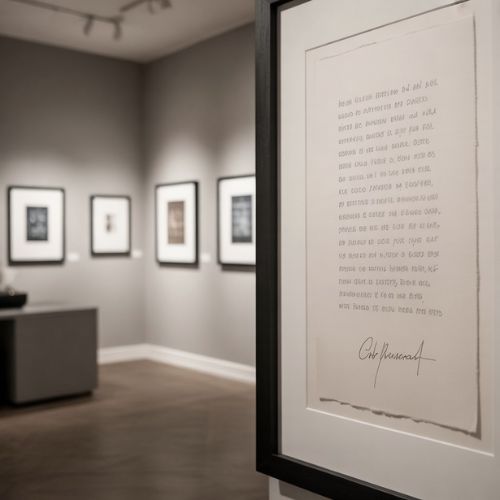
Authenticity is non-negotiable in art pricing. Without clear confirmation that a work is genuine, its market value collapses. Certificates of authenticity, artist signatures, gallery invoices, and archival records all contribute to price stability.
For established artists, authentication may involve artist estates, foundations, or recognized experts. This process adds layers of trust that buyers are willing to pay for. The stronger the documentation, the stronger the price justification.
In contrast, works without documentation face pricing limitations regardless of visual appeal. Confidence is currency in the art market, and paperwork provides that confidence.
Exhibition History and Critical Recognition
An artwork’s exhibition history plays a quiet but powerful role in its pricing. When a piece has been shown in respected galleries, museums, or curated exhibitions, it gains a level of validation that goes beyond personal taste. These exhibitions signal that professionals with trained eyes considered the work significant enough to present publicly.
Critical recognition amplifies this effect. Reviews, catalog essays, academic writing, and press coverage contribute to an artist’s credibility. Even a single well-regarded exhibition can shift an artist’s market position if it attracts the attention of curators or critics.
From a pricing perspective, exhibition history reduces uncertainty. Collectors are not just buying an artwork; they are buying into a narrative that has already been vetted by institutions and experts.
Market Demand and Collector Behavior
Market demand is one of the most dynamic factors affecting art prices. When interest in an artist increases, prices tend to rise quickly, sometimes faster than the artist’s career development alone would justify. This demand may come from collectors, institutions, or even trends driven by cultural moments.
Collector behavior also matters. When collectors hold onto works rather than reselling them, supply tightens and prices increase. Conversely, if too many works appear on the secondary market at once, prices can stall or decline.
This is why timing matters so much in art pricing. A piece may be priced modestly one year and significantly higher the next, not because the work changed, but because the market around it did.
Gallery Representation and Pricing Strategy
Gallery representation is far more than a sales channel; it is a pricing framework. Established galleries carefully build and protect an artist’s market by setting consistent prices and controlling where works are sold.
Pricing strategy considers the artist’s career stage, exhibition plans, and long-term positioning. Galleries rarely price aggressively without reason. Sudden price jumps can damage credibility, while underpricing can undermine an artist’s perceived value.
As a gallery professional, I can say that pricing is often less about maximizing immediate profit and more about sustainability. A well-managed price structure creates trust among collectors and supports the artist’s future growth.
Auction Results and Comparable Sales
Auction results heavily influence how art is priced, especially on the secondary market. Public sales create transparent benchmarks that collectors, galleries, and advisors all pay attention to.
Comparable sales are particularly important. If similar works by the same artist have sold at certain price points, those results shape expectations for future pricing. However, auctions can be misleading if context is ignored. Condition, timing, and even the auction house itself can affect results.
Strong auction performances can elevate an artist’s market quickly. Weak results, on the other hand, may lead galleries to pause price increases until confidence is restored.
Cultural Relevance and Market Timing
Art does not exist in isolation from society. Cultural relevance plays a significant role in pricing, especially during moments of social, political, or technological change. When an artist’s work resonates strongly with the current cultural climate, demand often follows.
Market timing also affects price. Works released during periods of strong collector confidence tend to perform better than those introduced during uncertain economic moments. This does not reflect quality, but rather market psychology.
Galleries and collectors alike pay close attention to these cycles. Pricing is often adjusted not just to the artwork itself, but to the moment in which it enters the market.
Emotional Impact and Perceived Value
While many factors influencing art prices are measurable, emotional impact remains deeply personal and surprisingly powerful. A collector’s emotional connection to a piece can justify a price that appears high on paper.
Perceived value is shaped by storytelling, presentation, and context. How a work is displayed, discussed, and framed within an artist’s broader practice affects how it is experienced. This is why gallery environments matter so much.
Emotional resonance does not replace market fundamentals, but it often acts as the final deciding factor in a purchase.
Common Misconceptions About Art Pricing
One of the most persistent misconceptions is that art prices are based purely on aesthetics. Beauty matters, but it is only one piece of a much larger equation.
Another common belief is that higher prices are arbitrary or inflated without reason. In reality, most pricing decisions are grounded in market data, professional experience, and long-term strategy.
Understanding these misconceptions helps collectors approach art with clearer expectations and greater confidence.
How Galleries Actually Price Art Pieces
Gallery pricing is rarely spontaneous. It involves research, market comparison, and ongoing evaluation. Prices are adjusted gradually, often in response to exhibitions, sales history, and external recognition.
Transparency matters. Serious galleries aim to maintain consistency across regions and platforms. This protects both the collector and the artist from market instability.
When pricing is done well, it reflects not just the artwork’s present value, but its future potential.
Final Thoughts on What Truly Determines an Artwork’s Price
So, what actually affects the price of an art piece? The answer is layered. Price is shaped by the artist’s reputation, the artwork’s history, market demand, professional validation, and emotional resonance.
Art pricing is not guesswork, nor is it purely subjective. It is a living system influenced by people, institutions, and time. The more you understand these forces, the more confidently you can engage with art as both a cultural and financial investment.
For collectors, artists, and enthusiasts alike, knowledge transforms art from a mystery into a meaningful, informed experience.