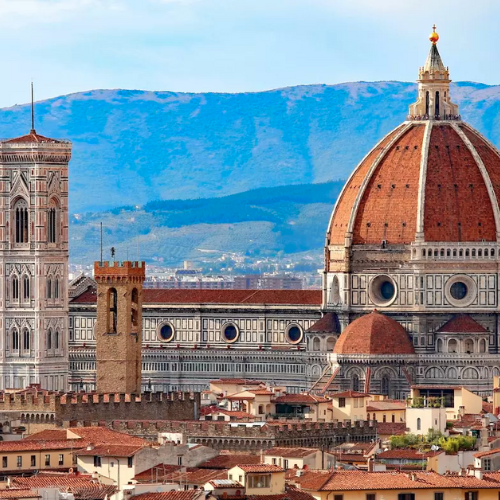
Florence is one of the few cities in the world where a short weekend feels genuinely fulfilling for art lovers. I’ve visited many European art capitals, but Florence stands apart because its artistic density is extraordinary. Masterpieces are not scattered across the city; they are concentrated, walkable, and deeply integrated into everyday life. This makes Florence ideal for travelers who want a meaningful art experience without needing a full week.
What I particularly appreciate about Florence for a weekend trip is how seamlessly museums, churches, palaces, and public art connect. You can move from a world-class gallery to a Renaissance piazza in minutes, absorbing art in both formal and informal settings. Even with limited time, it’s possible to engage with iconic works while still discovering quieter, less crowded spaces.
For anyone planning a short art-focused escape, Florence rewards intention. A well-structured weekend allows you to see essential masterpieces, explore gallery-rich neighborhoods, and still leave room for reflection, which is something art travel should always include.
What Makes Florence Ideal for Short Art Trips
Florence’s compact historic center is its greatest strength for weekend travelers. Unlike cities where museums are spread across long distances, Florence allows you to experience multiple major art sites in a single day without feeling rushed. Walking between venues becomes part of the cultural experience, as the architecture itself feels like an open-air museum.
Another key factor is the city’s clarity of artistic identity. Florence is not overwhelming in terms of artistic movements; its Renaissance core gives visitors a strong narrative thread. I find this especially helpful for short trips, because the experience feels cohesive rather than fragmented. You’re not jumping between unrelated styles or eras without context.
Florence also excels in curatorial quality. Smaller museums and galleries maintain high standards, often offering quieter, more focused encounters with art. For a weekend itinerary, this balance between world-famous institutions and intimate spaces creates a satisfying rhythm that prevents museum fatigue.
How These Weekend Art Trip Ideas Were Selected
When I design weekend art itineraries, I prioritize depth over quantity. Rather than attempting to see everything, I focus on spaces that offer strong artistic context, visual impact, and geographic efficiency. Florence allows this approach beautifully, which is why these weekend art trip ideas are structured around both significance and proximity.
I also consider visitor flow and timing. Some museums are best experienced early in the morning, while others work better later in the day. Over the years, I’ve learned that pacing is just as important as content. Rushing through masterpieces diminishes their impact, especially on a short trip.
Finally, I look for balance. A weekend art trip should include iconic works, lesser-known gems, architectural encounters, and moments of visual rest. This article reflects that philosophy, offering ideas that feel curated rather than exhaustive, which is exactly what weekend travelers need.
Day One Morning: Renaissance Masterpieces to Start Your Trip
I always recommend starting the first morning with Florence’s most significant Renaissance works. Beginning the day with major masterpieces sets a strong foundation for the entire weekend and provides historical context for everything that follows.
The Uffizi Gallery is an obvious choice, but timing matters. Visiting early allows you to engage with works by Botticelli, Leonardo da Vinci, and Michelangelo before crowds peak. I suggest focusing on selected rooms rather than attempting a full sweep. Spending real time with a handful of paintings creates a far richer experience than rushing through dozens.
Alternatively, the Accademia Gallery offers a more focused morning visit. Michelangelo’s David is transformative when viewed calmly, especially if you arrive before tour groups. I often encourage visitors to pay attention to the unfinished sculptures as well, as they reveal Michelangelo’s working process in a way few other places can.
Day One Afternoon: Museums and Galleries Near the Historic Center
After a strong morning, the afternoon is ideal for slightly quieter institutions located near Florence’s historic heart. This is when I recommend exploring museums that complement the Renaissance narrative without overwhelming the senses.
The Bargello Museum is a standout choice. Its sculpture collection provides a deeper understanding of Renaissance form and material, especially through works by Donatello and Cellini. The building itself, once a medieval palace, enhances the experience and reminds visitors how closely art and civic life were connected in Florence.
Smaller galleries and exhibition spaces around the historic center also deserve attention. These places often highlight decorative arts, temporary exhibitions, or focused collections that add nuance to the broader story of Florentine art. I find that these visits slow the pace in a good way, offering moments of discovery rather than spectacle.
Day One Evening: Art, Architecture, and Cultural Walks
Evenings in Florence are an extension of the art experience, not a pause from it. Once museums close, the city’s architecture and public spaces take center stage. I always encourage art-focused travelers to dedicate their first evening to walking rather than scheduling more indoor visits.
A walk through Piazza della Signoria offers a powerful introduction to public sculpture and civic symbolism. Seeing works like the replica of David or Perseus with the city illuminated creates a completely different emotional response compared to daytime viewing. Architecture, sculpture, and urban space come together in a way that feels uniquely Florentine.
Crossing the Arno toward quieter neighborhoods allows for reflection after a visually rich day. Churches, façades, and small squares reveal details often missed during busy sightseeing hours. For a weekend art trip, these moments are essential. They allow the mind to process what the eyes have seen, which is where real appreciation develops.
Day Two Morning: Beyond the Big Museums
By the second morning, I usually encourage travelers to move beyond Florence’s headline museums and into spaces that offer a more personal encounter with art. This shift is important on a weekend trip because it deepens appreciation rather than repeating the same type of experience.
The San Marco Museum is one of my strongest recommendations. Its frescoes by Fra Angelico are not only visually stunning but emotionally quiet. Walking through former monastic cells adorned with delicate religious imagery creates a reflective atmosphere that contrasts beautifully with the grandeur of the Uffizi. I find that visitors often linger here longer than expected, drawn in by the intimacy of the works.
Another rewarding option is exploring smaller church interiors scattered across Florence. Many house original Renaissance frescoes and altarpieces that rarely feel crowded. These spaces remind travelers that art in Florence was never confined to galleries alone; it was woven into daily spiritual and civic life.
Oltrarno District: Artisan Studios and Contemporary Art
For a weekend art trip, the Oltrarno district is essential. This neighborhood offers a different rhythm from the historic center, blending traditional craftsmanship with contemporary creativity. I often describe it as Florence’s living art quarter, where the past and present coexist naturally.
Artisan workshops line the streets, many of which are still actively producing ceramics, prints, frames, and leather goods. Observing these practices provides valuable insight into techniques that have supported Florentine art for centuries. It’s one thing to admire finished works in a museum; it’s another to see the process firsthand.
Oltrarno also hosts smaller contemporary galleries and experimental spaces. These venues may not be internationally famous, but they reveal how Florence continues to evolve artistically. For travelers who want their weekend trip to feel current rather than purely historical, this balance is crucial.
Palazzo Experiences That Combine Art and History
Florence’s palazzi offer some of the most immersive art experiences available on a short trip. These spaces combine architecture, decorative arts, painting, and historical context under one roof, making them ideal for weekend itineraries.
The Palazzo Pitti is a prime example. Its galleries present art within richly decorated rooms that tell stories of power, patronage, and taste. I often recommend focusing on one or two sections rather than attempting to see everything. This approach preserves energy while allowing visitors to fully absorb the experience.
Smaller palazzi, such as Palazzo Medici Riccardi, provide equally meaningful encounters on a more intimate scale. Walking through these spaces helps visitors understand how art functioned within private and political life, adding depth to everything seen elsewhere in the city.
Practical Tips for Maximizing a Weekend Art Trip
A successful weekend art trip in Florence depends as much on planning as passion. I always advise travelers to book museum tickets in advance, especially for major institutions. This single step can save hours and dramatically improve the overall experience.
Pacing is another key consideration. Alternating between major museums and lighter activities, such as walking or visiting artisan neighborhoods, prevents burnout. Florence rewards those who slow down and observe details, whether in a fresco, a doorway, or a street corner.
Timing meals strategically also matters. Eating slightly earlier or later than peak hours frees up valuable daylight for art exploration. On a weekend trip, even small efficiencies like this can make a noticeable difference.
Best Time of Year for a Weekend Art Getaway in Florence
While Florence is beautiful year-round, certain seasons are more conducive to short art-focused trips. I personally find spring and early autumn ideal. The weather is comfortable, daylight is generous, and museum visits feel less rushed.
Summer brings longer days but also heavier crowds, especially in July and August. For weekend travelers, this can be challenging unless visits are planned very early in the morning. Winter, on the other hand, offers a quieter experience. Museums feel calmer, and the city reveals a more contemplative side that many art lovers appreciate.
Choosing the right season enhances not only what you see, but how you experience it. On a short trip, that difference is significant.
Final Thoughts on Planning a Weekend Art Trip in Florence
Florence is a city that respects your time if you approach it thoughtfully. A weekend is more than enough to experience its artistic soul, provided you focus on quality rather than quantity. I’ve seen many travelers leave deeply satisfied after just two days, having connected meaningfully with some of the greatest works in art history.
What makes a weekend art trip to Florence truly successful is intention. Selecting the right mix of iconic sites, quieter spaces, and living art neighborhoods creates an experience that feels complete rather than rushed. Florence doesn’t demand everything from you at once; it invites you to return.
For art lovers seeking a short but enriching escape, Florence remains one of the most rewarding destinations in the world. With careful planning, a single weekend can leave a lasting impression that rivals much longer journeys.