Why New York City Is a Global Art Capital
New York City holds a rare position in the global art world. I’ve visited galleries across Europe, Asia, and other major cultural hubs, but few cities match the sheer density, diversity, and influence of New York’s art scene. From encyclopedic museums to experimental contemporary spaces, the city offers an experience that caters to collectors, curators, students, and casual art lovers alike.
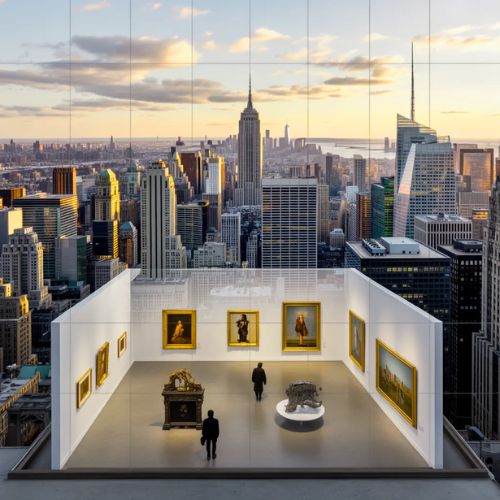
What makes New York exceptional is not just the number of galleries, but the way history and innovation coexist. Masterpieces from centuries ago sit comfortably alongside radical contemporary works. In one afternoon, it’s entirely possible to move from classical European painting to boundary-pushing installation art without ever leaving a single neighborhood.
For anyone searching for the top galleries to see in New York City, it’s important to understand that these spaces are more than tourist attractions. They actively shape global conversations around art, culture, and creativity.
How These Galleries Were Selected
In curating this list, I relied on professional experience, critical reputation, curatorial quality, and cultural relevance. These are galleries and museums that consistently deliver meaningful exhibitions, maintain strong collections, and contribute to the broader art ecosystem.
Another key factor is visitor experience. A great gallery should educate without overwhelming, inspire without alienating, and invite repeat visits. Accessibility, thoughtful exhibition design, and strong curatorial narratives all play a role in why these spaces stand out.
This selection also balances world-renowned institutions with spaces that feel deeply personal when visited. Some galleries impress through scale and legacy, while others shine through precision and focus.
The Museum of Modern Art (MoMA)
The Museum of Modern Art is often the first name that comes up when discussing top galleries in New York City, and for good reason. MoMA doesn’t simply display modern art; it defines it. Walking through its galleries feels like tracing the visual history of the modern world.
The collection includes iconic works by artists such as Vincent van Gogh, Pablo Picasso, Andy Warhol, and Jackson Pollock. Each piece is contextualized in a way that makes the evolution of modern art feel both logical and emotionally engaging.
What I particularly value about MoMA is its curatorial confidence. The museum is unafraid to reinterpret its own collection, rotating works and reframing narratives to keep the experience fresh. Even frequent visitors often discover something new with each visit.
MoMA also excels in showcasing photography, design, film, and new media, making it an essential stop for anyone who wants a comprehensive understanding of modern creativity.
The Metropolitan Museum of Art
The Metropolitan Museum of Art, often simply called The Met, is less a gallery and more a universe of art. Its scope is staggering, spanning over 5,000 years of human creativity across continents and cultures.
For visitors interested in classical painting, sculpture, and decorative arts, The Met offers an unmatched experience. European masters, ancient artifacts, and non-Western art coexist under one roof, creating a deeply educational journey through time.
What sets The Met apart is its ability to feel both monumental and intimate. Despite its size, many galleries are thoughtfully arranged, allowing visitors to engage closely with individual works rather than feeling rushed or overwhelmed.
From an art gallery perspective, The Met is invaluable for understanding context. It reminds visitors that contemporary art does not exist in isolation but is part of a long and complex visual tradition.
The Solomon R. Guggenheim Museum
The Guggenheim is instantly recognizable, even before stepping inside. Designed by Frank Lloyd Wright, the building itself is one of New York City’s most iconic works of art.
Inside, the spiral ramp creates a continuous viewing experience unlike any other gallery space. Rather than moving through separate rooms, visitors encounter art as part of a flowing visual narrative.
The Guggenheim’s exhibitions often focus on modern and contemporary art, with an emphasis on conceptual depth and international perspectives. I’ve found that this museum rewards slow viewing, encouraging reflection rather than quick consumption.
While its collection is more selective than some larger institutions, the Guggenheim’s strength lies in presentation. Art feels intentionally placed, and exhibitions often challenge traditional ways of seeing and interpreting works.
The Whitney Museum of American Art
The Whitney Museum is essential for anyone interested in understanding American art on its own terms. Its focus on living artists and modern American movements makes it one of the most relevant galleries in New York City today.
Located in the Meatpacking District, the Whitney blends seamlessly into its urban surroundings. Large windows and outdoor terraces visually connect the artwork inside to the city itself, reinforcing the museum’s contemporary identity.
The Whitney excels at highlighting voices that have historically been underrepresented. Its exhibitions often address social issues, cultural shifts, and political contexts, making each visit feel timely and thought-provoking.
From a professional standpoint, the Whitney is one of the best places to observe where American art is heading, not just where it has been.
A Quick Comparison of Major Museums Covered So Far
To help readers better understand the differences between these institutions, here’s a simple overview:
| Gallery | Primary Focus | Best For |
|---|---|---|
| MoMA | Modern & contemporary art | Modern art history and innovation |
| The Met | Global art across centuries | Classical, historical, and cultural context |
| Guggenheim | Modern & conceptual art | Architecture-driven viewing experience |
| Whitney | American modern & contemporary | Living artists and cultural commentary |
The Frick Collection
The Frick Collection offers one of the most refined gallery experiences in New York City. Unlike large institutions that aim to cover vast periods of art history, the Frick focuses on depth, intimacy, and connoisseurship. Visiting the Frick feels less like walking through a museum and more like stepping into a private collection curated with exceptional taste.
The collection emphasizes European old masters, with works by artists such as Vermeer, Rembrandt, Goya, and Turner. Each painting is given space to breathe, allowing visitors to slow down and truly engage with the work. This atmosphere is particularly valuable for viewers who appreciate close looking and quiet reflection.
What I admire most about the Frick is its consistency. The gallery does not chase trends. Instead, it maintains a timeless curatorial approach that appeals to collectors, scholars, and seasoned art enthusiasts seeking a deeper connection to classical art.
Neue Galerie New York
Neue Galerie is a gem for those interested in early twentieth-century German and Austrian art. Its focus may be narrow, but the execution is outstanding. This gallery demonstrates how specialization can create an exceptionally strong visitor experience.
The collection is best known for works by Gustav Klimt and Egon Schiele, including Klimt’s iconic Portrait of Adele Bloch-Bauer I. Seeing this painting in person offers an entirely different appreciation of its material richness and emotional intensity.
Beyond painting, Neue Galerie also showcases furniture, design objects, and decorative arts from the same period. This contextual approach helps visitors understand the broader cultural environment in which these artists worked, making the gallery both visually striking and intellectually satisfying.
The Brooklyn Museum
The Brooklyn Museum stands out for its progressive curatorial vision and commitment to inclusivity. While it may not receive the same level of tourist attention as Manhattan institutions, it consistently delivers some of the most thoughtful exhibitions in the city.
The museum’s collection spans ancient art, African and Indigenous works, contemporary installations, and feminist art history. This diversity reflects Brooklyn’s own cultural landscape and makes each visit feel dynamic and unpredictable.
From my perspective, the Brooklyn Museum is ideal for visitors who want to explore art beyond traditional Western narratives. Its exhibitions often encourage dialogue and reinterpretation, making it a valuable stop for anyone interested in where museums are heading in the future.
David Zwirner Gallery
David Zwirner is one of the most influential contemporary art galleries in New York City and on the global stage. Unlike museums, this is a commercial gallery, but the quality of exhibitions rivals that of major institutions.
The gallery represents some of the most important contemporary artists working today. Exhibitions are meticulously curated, often museum-level in scale and presentation. Each show feels deliberate, with a clear conceptual framework rather than a sales-driven layout.
What makes David Zwirner particularly important is its role in shaping contemporary taste. Many artists who later achieve museum recognition first gain visibility through galleries like this. For anyone interested in the current art market and emerging trends, this is an essential visit.
Gagosian Gallery
Gagosian operates at the highest level of the international art market, and its New York locations reflect that ambition. The gallery represents blue-chip artists whose works define contemporary art history.
Exhibitions at Gagosian often feature large-scale installations, ambitious sculptures, and museum-quality retrospectives. The spaces themselves are designed to accommodate bold artistic statements, allowing works to command attention.
From an educational standpoint, Gagosian provides insight into how contemporary art intersects with commerce, branding, and global influence. Visiting the gallery offers a clear view of how power and prestige function within the art world today.
Pace Gallery
Pace Gallery bridges the gap between modern masters and contemporary innovation. Its roster includes both historically significant artists and forward-thinking contemporary figures, creating a balanced and intellectually engaging program.
The gallery is particularly strong in showcasing artists who explore technology, light, and new media. Exhibitions often challenge traditional definitions of painting and sculpture, expanding what a gallery experience can be.
I find Pace especially compelling for visitors who appreciate experimentation grounded in strong art historical awareness. It’s a space where innovation feels thoughtful rather than purely provocative.
Emerging and Independent Galleries Worth Visiting
Beyond the major names, New York City thrives on its network of smaller, independent galleries. These spaces often take greater risks, champion emerging artists, and experiment with unconventional exhibition formats.
Many of these galleries are located in neighborhoods such as the Lower East Side, Chelsea, and Bushwick. Visiting them offers a more grassroots perspective on the art scene, where discovery plays a central role.
For collectors and curious visitors alike, these galleries provide a sense of immediacy. You’re often encountering artists at early stages of their careers, before broader recognition shapes their work and market value.
Best Neighborhoods in NYC for Gallery Hopping
Certain neighborhoods are especially rewarding for gallery exploration. Chelsea remains a cornerstone of the contemporary gallery scene, with dozens of spaces within walking distance.
The Lower East Side offers a more experimental and youthful atmosphere. Galleries here tend to be smaller, more agile, and more willing to challenge conventions.
Brooklyn neighborhoods such as Williamsburg and Bushwick continue to grow in importance. These areas reflect shifts in the art world toward decentralization and community-driven spaces.
Practical Tips for Visiting Art Galleries in New York City
Visiting galleries in New York can be overwhelming without a plan. I always recommend focusing on a specific neighborhood or theme rather than trying to see everything at once.
Most commercial galleries are free and open to the public, making them highly accessible. Museums, on the other hand, often benefit from advance planning, especially during peak tourist seasons.
A few practical tips worth keeping in mind:
-
Visit galleries on weekday mornings for a quieter experience
-
Check exhibition schedules in advance, as shows rotate frequently
-
Allow time for reflection rather than rushing from one space to another
When Is the Best Time to Visit NYC Art Galleries
The best time to explore New York City galleries is typically during spring and fall. Weather conditions are comfortable, and many major exhibitions are scheduled during these seasons.
January and August can also be rewarding for visitors who prefer fewer crowds. While some galleries slow down, museums often host strong temporary exhibitions during these quieter months.
Regardless of timing, New York’s art scene remains active year-round. There is always something worth seeing, whether in a world-class museum or a small independent space.
Conclusion:
From historic collections to cutting-edge contemporary spaces, the city rewards curiosity and thoughtful exploration. Each gallery adds a unique voice to an ongoing cultural conversation.
For anyone searching for the top galleries to see in New York City, the experience is ultimately personal. The best gallery is often the one that challenges how you see the world — and New York offers countless opportunities for that discovery.