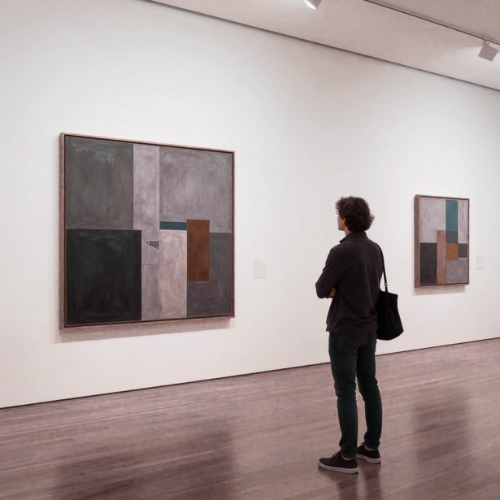
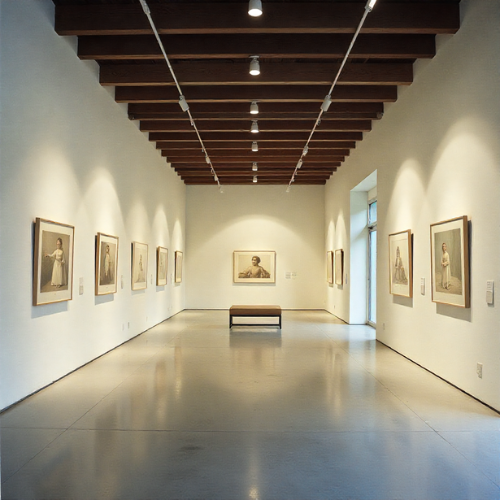
A well-designed art gallery does far more than provide walls to hang artwork. From years of working closely with exhibition spaces, collectors, and curators, it is clear that gallery design directly influences how art is perceived, remembered, and valued. The physical environment can either elevate artwork or quietly undermine its impact, regardless of quality.
When visitors step into a gallery, they immediately begin forming impressions. Lighting, spacing, wall color, and flow all speak before the art itself does. A thoughtfully designed gallery creates a sense of intention and professionalism, allowing viewers to engage with the artwork in a focused and meaningful way.
This is why understanding the top features of a well-designed art gallery is essential. These features are not trends or decorative choices; they are foundational elements that shape the experience of every visitor and artist who walks through the door.
What Defines a Well-Designed Art Gallery
A well-designed art gallery is not defined by size, budget, or architectural complexity. Instead, it is defined by how effectively the space supports the artwork. Every design decision should serve one purpose: allowing art to be seen, felt, and understood without distraction.
Over time, it becomes obvious that successful galleries share common design principles. These principles prioritize clarity, balance, and comfort while maintaining a strong visual identity. A gallery that feels intuitive and inviting encourages visitors to stay longer, look closer, and connect more deeply with the art on display.
Design should never compete with the artwork. When a gallery is designed properly, the space almost disappears, leaving the art to take center stage. This balance between presence and restraint is one of the most important characteristics of a professionally designed gallery environment.
How Thoughtful Gallery Design Enhances the Viewing Experience
The way people move through a gallery has a direct impact on how they experience the art. A poorly designed space can make visitors feel rushed, overwhelmed, or disconnected. In contrast, a well-designed gallery gently guides movement, allowing each artwork the attention it deserves.
When design supports the viewing experience, visitors naturally slow down. They feel comfortable pausing, stepping back, and revisiting pieces that catch their interest. This sense of ease is not accidental; it is the result of careful planning and understanding human behavior within physical spaces.
Gallery design also shapes emotional response. Quiet corners, open sightlines, and balanced spacing create moments of reflection. These moments often become the most memorable parts of a gallery visit, reinforcing the value of thoughtful design choices.
Intelligent Layout and Spatial Flow
One of the most important features of a well-designed art gallery is an intelligent layout. Spatial flow determines how visitors navigate the space and how artwork is encountered. A strong layout feels natural, guiding visitors without the need for signage or instruction.
Clear pathways allow people to move comfortably from one section to another without confusion. When sightlines are considered carefully, visitors can preview what lies ahead while still focusing on the artwork in front of them. This creates a rhythm that keeps the experience engaging rather than overwhelming.
Spacing is equally important. Artwork needs room to breathe. Crowded walls or narrow walkways can diminish the impact of even the strongest pieces. A well-designed gallery balances openness with intimacy, ensuring that visitors never feel lost or confined.
The Role of Visitor Movement and Sightlines
Visitor movement should feel intuitive, not forced. When a gallery is laid out properly, people naturally follow a path that makes sense, often without realizing it. This allows curators to subtly shape the narrative of an exhibition through spatial arrangement.
Sightlines play a crucial role in this process. Long, uninterrupted views can create anticipation, while controlled angles encourage focused engagement. Strategic placement of key artworks at visual endpoints often leaves a lasting impression on visitors.
Good sightlines also prevent visual clutter. When too many artworks compete within a single view, the experience becomes tiring. A well-designed gallery ensures that each piece has its moment without visual interference.
Professional Lighting That Elevates Artwork
Lighting is one of the most powerful tools in art gallery design. It has the ability to transform how artwork is seen, understood, and emotionally received. Poor lighting can flatten colors, obscure details, and distort textures, while professional lighting enhances depth and clarity.
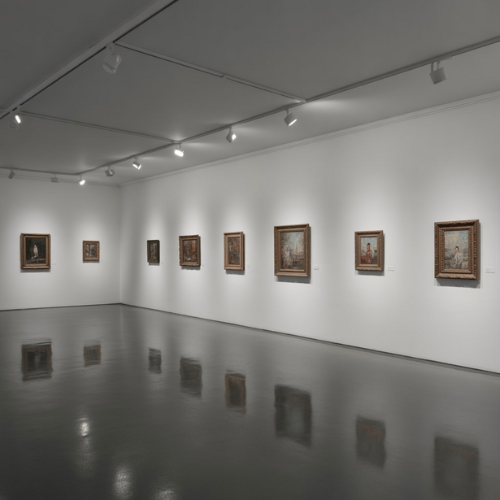
In a well-designed art gallery, lighting is intentional and controlled. Each artwork receives the appropriate level of illumination based on its medium, scale, and sensitivity. This level of care signals professionalism and respect for the art.
Lighting should never draw attention to itself. When done correctly, it feels almost invisible, quietly supporting the artwork without distraction. This subtlety is what separates amateur spaces from truly professional galleries.
Balancing Natural and Artificial Lighting
Natural light can be beautiful, but it must be managed carefully in a gallery setting. Excessive sunlight can damage artwork over time and create uneven viewing conditions. A well-designed gallery uses natural light selectively, often diffused or filtered to maintain consistency.
Artificial lighting provides control and precision. Track lighting, adjustable spotlights, and temperature-balanced bulbs allow curators to fine-tune how each piece is presented. This flexibility is essential for rotating exhibitions and diverse collections.
The goal is balance. When natural and artificial lighting work together, the gallery feels alive without compromising the integrity of the artwork.
Wall Design, Color Palette, and Materials
Walls are more than background surfaces; they are framing devices for art. The color, texture, and material of gallery walls directly influence how artwork is perceived. Neutral tones are often favored because they allow the art to stand out without visual competition.
However, neutral does not mean boring. Subtle variations in tone or finish can add depth while maintaining focus on the artwork. In some exhibitions, darker or warmer wall colors are used intentionally to create mood or emphasize contrast.
Materials also matter. Smooth, high-quality finishes reflect professionalism and care. In a well-designed art gallery, walls feel intentional and consistent, reinforcing the overall visual identity of the space.
Curated Display and Presentation Systems
The way artwork is displayed is just as important as the artwork itself. In a well-designed art gallery, presentation systems are chosen with intention, consistency, and long-term flexibility in mind. Hanging methods, framing decisions, and spacing all contribute to how professional and refined the space feels.
Poor display systems can distract from the art or make installations feel temporary and unpolished. In contrast, a thoughtful display approach creates visual harmony. Each artwork appears deliberate, respected, and properly placed within the larger exhibition narrative.
Over the years, it becomes clear that viewers respond strongly to order and balance. When artworks are aligned properly and spaced evenly, visitors feel more confident engaging with them. This sense of structure encourages deeper observation and appreciation.
Framing, Hanging Systems, and Spacing
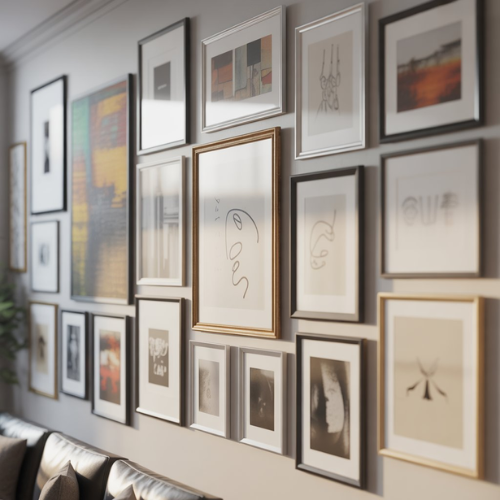
Framing choices should complement the artwork rather than compete with it. Consistent framing styles help unify an exhibition, while varied frames can be used intentionally to highlight specific pieces or themes. The key is clarity and purpose.
Professional hanging systems allow for precision and adaptability. Adjustable rails and discreet hardware make it possible to reposition artwork without damaging walls or disrupting the space. This flexibility is especially valuable for galleries that host frequent exhibitions.
Spacing is where many galleries fall short. Art needs breathing room. Adequate space between pieces allows viewers to focus fully on one work at a time, reducing visual fatigue and enhancing overall impact.
Creating Visual Rhythm and Narrative
A successful gallery does not feel random. Instead, it tells a story through visual rhythm. The placement of artworks creates a flow that guides visitors from one emotional or conceptual moment to the next.
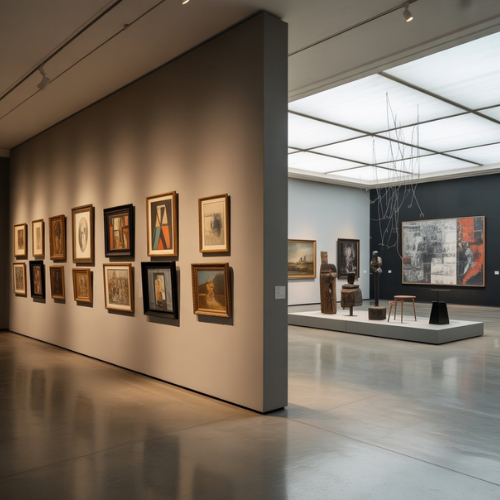
This rhythm is achieved through variation in scale, spacing, and grouping. Larger works can act as anchors, while smaller pieces create moments of pause. When done thoughtfully, this approach keeps visitors engaged without overwhelming them.
Narrative design also helps viewers connect with the exhibition on a deeper level. Even without text, the spatial arrangement of art can communicate progression, contrast, and meaning.
Visitor Comfort and Engagement Elements
A well-designed art gallery considers the physical and emotional comfort of its visitors. Comfort does not mean luxury; it means creating an environment where people feel welcome, relaxed, and encouraged to stay.
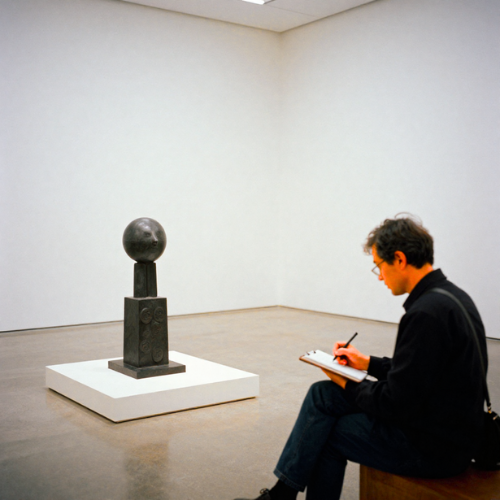
Simple additions such as seating areas can dramatically improve the visitor experience. Seating allows people to rest, reflect, and spend more time with the artwork. These moments often lead to stronger emotional connections.
Engagement also comes from clarity. When visitors feel oriented and at ease, they are more likely to explore the entire space rather than rushing through it.
Accessibility, Seating, and Wayfinding
Accessibility is a defining feature of professional gallery design. Clear pathways, appropriate spacing, and thoughtful placement ensure that all visitors can navigate the space comfortably.
Wayfinding should feel intuitive. Subtle cues such as lighting, floor layout, or artwork placement can guide movement without the need for excessive signage. When visitors know where to go, they feel more confident and relaxed.
Seating should be placed strategically, offering rest without obstructing views or pathways. Well-placed seating encourages longer visits and deeper engagement with the exhibition.
How the Five Features Work Together
Each of the five top features of a well-designed art gallery is powerful on its own, but their true strength lies in how they work together. Layout, lighting, walls, display systems, and visitor comfort form a cohesive whole when designed intentionally.
When these elements align, the gallery feels effortless. Visitors are guided naturally, artwork is presented clearly, and the space supports both aesthetic appreciation and emotional connection.
This level of cohesion is what separates memorable galleries from forgettable ones. It reflects experience, planning, and a deep understanding of how people interact with art.
Common Design Mistakes That Undermine Galleries
Even beautiful spaces can fail if key design principles are ignored. One common mistake is overcrowding walls in an attempt to display too much at once. This often leads to visual fatigue and reduced impact.
Another frequent issue is inconsistent lighting. Uneven illumination distracts viewers and diminishes the quality of the artwork. Lighting should always be consistent, controlled, and adjusted to the specific needs of each piece.
Neglecting visitor comfort is also a major oversight. Galleries that feel confusing, cramped, or uninviting often struggle to hold attention, regardless of the quality of the art.
How Gallery Design Influences Art Sales and Perception
Design has a direct impact on how art is valued. A professional, well-designed gallery builds trust. Visitors subconsciously associate high-quality environments with high-quality artwork.
When artwork is presented clearly and confidently, buyers feel more comfortable making purchasing decisions. Design communicates credibility without saying a word.
This is why experienced galleries invest in design not as decoration, but as strategy. A well-designed space supports both artistic integrity and commercial success.
Modern Trends in Art Gallery Design
Contemporary gallery design increasingly emphasizes flexibility and minimalism. Modular walls, adjustable lighting, and adaptable layouts allow spaces to evolve with changing exhibitions.
There is also a growing focus on experiential design. Galleries are creating environments that encourage interaction, reflection, and emotional engagement without overwhelming the artwork.
Sustainability is becoming another important consideration. Thoughtful material choices and energy-efficient lighting reflect modern values while maintaining professional standards.
Final Thoughts on Defining Excellence in Art Gallery Design
A well-designed art gallery is the result of experience, intention, and respect for both art and audience. It does not rely on excess or spectacle, but on balance, clarity, and thoughtful execution.
The five top features of a well-designed art gallery serve as a foundation for creating spaces that truly support artistic expression. When these features are implemented with care, the gallery becomes more than a venue; it becomes part of the artwork’s story.
Ultimately, great gallery design is about creating an environment where art can speak clearly, confidently, and without distraction. That is the mark of a space designed by someone who truly understands the power of art.