Europe has long been the heartbeat of global art, offering a rich tapestry of history, innovation, and cultural influence. As someone deeply engaged with the art world, I can say that no continent matches the density and diversity of artistic experiences available here. From Renaissance masterpieces in Italy to cutting-edge contemporary installations in Berlin, Europe presents a spectrum of creativity that few places in the world can rival.
The year 2026 promises to be especially compelling for art-focused travelers. Cities across the continent are hosting major exhibitions, innovative museum expansions, and curated festivals that showcase both historical and contemporary perspectives. Whether you are drawn to world-famous galleries or hidden experimental spaces, Europe continues to provide endless opportunities to explore, learn, and be inspired.
For those planning an art-centered journey, understanding the unique qualities of each destination is essential. It’s not just about ticking off famous museums but engaging with the cultural context, the local art scene, and the creative pulse of each city. This guide highlights five top European destinations that I consider must-visits for 2026, based on their blend of historical significance, contemporary relevance, and immersive experiences.
Criteria for Selecting the Top Art Destinations in 2026
Choosing the top art destinations requires a careful balance of historical depth, contemporary innovation, accessibility, and overall visitor experience. I selected these cities based on several key factors: the presence of iconic museums, galleries, and public art; the vibrancy of the local art community; opportunities for emerging artists; and the overall cultural atmosphere that enhances the art experience.
Another important consideration is how each city integrates art into daily life. A strong art destination offers more than just formal institutions—it allows travelers to experience creativity in architecture, urban design, street art, and community projects. In my experience, cities that embrace this holistic approach provide the most memorable and enriching visits.
I also considered current and upcoming exhibitions, urban revitalization projects, and special 2026 programming that would elevate the visitor experience. These factors ensure that this list is not only relevant but also offers something new, even for seasoned European travelers familiar with classic art hubs.
Destination One: Paris – Classic and Contemporary Art Combined
Paris remains unrivaled in its ability to combine classical masterpieces with contemporary innovation. Walking through the Louvre, I am always struck by the sheer scope of human creativity on display, from the iconic Mona Lisa to less-celebrated gems that reveal the richness of centuries-long artistic traditions. The Musée d’Orsay and Musée de l’Orangerie complement this historical depth, offering masterpieces from Impressionism and Post-Impressionism that shaped modern visual culture.
Beyond these iconic museums, Paris continues to be a center for contemporary experimentation. Districts like Le Marais and Belleville host galleries and creative spaces showcasing emerging artists, performance art, and installations that often challenge conventional boundaries. This juxtaposition of old and new makes Paris not only a destination for art appreciation but also for understanding the evolution of artistic thought.
The city’s public spaces also contribute to its creative identity. Sculptures, murals, and curated urban interventions allow visitors to encounter art in everyday settings. For art-focused travelers in 2026, Paris offers a comprehensive experience: history, innovation, and the intangible cultural vibrancy that keeps the city at the forefront of global art.
Redad Also: Best Art Museums to Visit in Paris
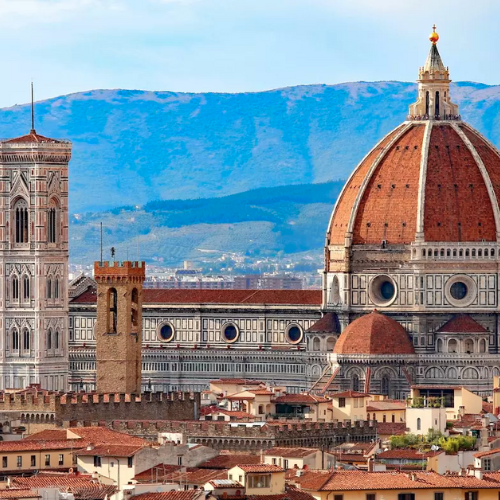
Destination Two: Florence – Renaissance Masterpieces and Modern Inspiration
Florence is synonymous with the Renaissance, and for good reason. Walking through the Uffizi Gallery or the Accademia, I am always reminded of the city’s pivotal role in shaping European art history. Works by Botticelli, Michelangelo, and Leonardo da Vinci are not just visually stunning—they encapsulate ideas, philosophies, and cultural innovations that continue to influence artists today.
What makes Florence remarkable is how it combines this historical wealth with contemporary creativity. While the city’s heritage sites draw the majority of attention, modern galleries, artisan workshops, and experimental spaces are quietly thriving. Visiting these venues allows travelers to see how Florentine artists interpret and respond to their Renaissance legacy, bridging centuries of artistic development.
For an art-focused visitor, Florence offers a rare opportunity to study the foundations of Western art while also observing how contemporary practitioners engage with history. The compact nature of the city allows for immersive exploration on foot, and the combination of grand museums and intimate studios ensures a rich, varied experience.
Read Also: Weekend Art Trip Ideas in Florence
Destination Three: Amsterdam – Canals, Galleries, and Innovative Art Spaces
Amsterdam’s art scene strikes a unique balance between traditional and contemporary. The city’s canals and historic architecture provide a beautiful backdrop for world-class museums such as the Rijksmuseum and Van Gogh Museum, where masterpieces are presented with thoughtful curatorial insight. These institutions offer both educational depth and aesthetic delight, which is essential for anyone seeking a comprehensive understanding of art.
Beyond the museums, Amsterdam thrives as a center of innovation. Contemporary galleries and project spaces in neighborhoods like De Pijp and Jordaan showcase emerging artists working in multimedia, conceptual art, and experimental design. Walking through these districts, I am constantly surprised by the creativity on display, from site-specific installations to small-scale, intimate works that would be easy to overlook but offer profound insight.
Amsterdam’s creative energy extends into public spaces. Street art, design interventions, and temporary exhibitions turn the city itself into a living gallery. For art-focused travelers in 2026, Amsterdam provides an immersive, multi-dimensional experience that combines history, contemporary innovation, and the urban context in a way few other cities can.
Read Also: Cultural Landmarks and Galleries in Amsterdam
Destination Four: Berlin – Cutting-Edge Contemporary Art and Cultural Hubs
Berlin has earned its reputation as one of Europe’s most exciting centers for contemporary art. Unlike more historically focused cities, Berlin thrives on experimentation, subversive creativity, and cultural reinvention. Walking through neighborhoods like Kreuzberg and Mitte, I am constantly struck by the energy and diversity of the city’s art scene, where industrial spaces have been transformed into galleries, studios, and performance venues.
The Berlinische Galerie, Hamburger Bahnhof, and KW Institute for Contemporary Art showcase a wide range of works, from established international artists to avant-garde emerging talent. These institutions, combined with smaller independent galleries, create an ecosystem where innovation is celebrated. Berlin’s street art and urban installations further expand the city’s creative footprint, blurring the lines between public and private, commercial and conceptual.
What makes Berlin particularly compelling for travelers in 2026 is its evolving nature. The city is constantly redefining itself culturally, hosting major biennales, international exhibitions, and collaborative art projects. For any serious art lover, Berlin offers both depth and immediacy, combining high-profile institutions with grassroots creativity in a way that few other European cities can match.
Read Also: Cultural Landmarks and Galleries in Amsterdam
Destination Five: Lisbon – Street Art, Museums, and Emerging Creative Scenes
Lisbon is an increasingly important destination for art-focused travelers, offering a mix of traditional institutions, contemporary galleries, and vibrant street art. The city’s museums, including the Museu Nacional de Arte Antiga and the Museu Coleção Berardo, present both classical and modern collections that reflect Portugal’s rich artistic history and contemporary innovation.
Beyond museums, Lisbon’s neighborhoods serve as open-air galleries. Alfama, Bairro Alto, and LX Factory are filled with murals, graffiti, and experimental installations. I find that the city’s creative energy is particularly evident in these spaces, where artists engage with urban life, social commentary, and community identity. For visitors in 2026, Lisbon offers a chance to experience a street-level perspective of creativity alongside curated institutional programming.
The city also benefits from a growing international art presence. Biennales, gallery openings, and art festivals bring global artists into dialogue with local practitioners, making Lisbon a dynamic destination for discovering new voices. Its compact layout allows travelers to combine historical exploration with contemporary engagement in a single trip, providing a holistic view of the city’s cultural landscape.
Read Also: Best Street Art Locations in Lisbon
Planning Your European Art Journey: Tips and Considerations
Planning a multi-city European art tour requires careful thought to maximize both time and experience. I recommend starting with a clear understanding of your priorities—whether that’s classic masterpieces, contemporary experimentation, street art, or a blend of all three. Mapping neighborhoods, galleries, and museums efficiently helps avoid unnecessary travel and ensures that you can engage with each site meaningfully.
Another consideration is timing. Many European cities rotate exhibitions seasonally, and 2026 is no exception. Checking museum calendars, special exhibitions, and cultural events in advance allows you to plan your journey around must-see experiences. I also advise balancing major institutions with smaller galleries and creative spaces to ensure a diverse, immersive itinerary.
Accommodation location matters as well. Staying within central neighborhoods or near major transit hubs allows for flexible exploration and quick access to galleries and museums. For cities like Berlin and Amsterdam, walking or cycling between districts offers an intimate perspective on local art and street culture that public transit alone cannot provide.
How to Balance Iconic Institutions with Hidden Gems
One of the joys of European art travel is balancing visits to renowned museums with the discovery of hidden gems. Iconic institutions provide context, historical depth, and unparalleled access to world-class collections. However, smaller galleries, independent exhibitions, and local creative spaces often offer the freshest, most experimental perspectives.
I recommend structuring your days to alternate between the two. For example, mornings can be devoted to major museums when crowds are lighter, while afternoons are ideal for exploring galleries, street art, or lesser-known cultural hubs. This approach maintains engagement, allows for reflection, and ensures that you experience the full spectrum of a city’s artistic output.
Best Time to Visit Europe for Art in 2026
Timing your art-focused trip can significantly enhance the experience. Spring and early autumn are generally the best seasons, offering pleasant weather, fewer crowds, and optimal lighting for photography. Summer brings vibrant festivals and outdoor exhibitions but also larger crowds and higher temperatures. Winter provides a quieter, more contemplative experience, allowing for intimate engagement with museum collections and galleries.
For 2026 specifically, many European cities are hosting special anniversary exhibitions, biennales, and international art events. Planning your itinerary around these events can provide unique, once-in-a-lifetime experiences that are not available every year.
Final Thoughts on Curating Your 2026 European Art Tour
Europe in 2026 remains an unmatched destination for art lovers. From the historical depth of Florence and Paris to the cutting-edge creativity of Berlin, Amsterdam, and Lisbon, the continent offers a spectrum of experiences that caters to every type of art enthusiast.
For a meaningful journey, I emphasize intentional exploration: balancing iconic museums with emerging galleries, integrating street art with formal exhibitions, and taking the time to understand the cultural context behind each piece. By planning thoughtfully, pacing visits, and remaining open to discovery, travelers can turn a European art trip into a deeply immersive, unforgettable experience that will resonate long after the journey ends.