Creative confidence is one of the most overlooked foundations of artistic growth. In my years working closely with artists, collectors, and curators within gallery spaces, I’ve seen extraordinary talent stall simply because confidence was missing. Skill alone does not sustain an artist. Confidence does.
When artists lose belief in their creative voice, it shows in their work, their consistency, and even in how they present themselves. Confidence influences whether an artist experiments, submits work, or even continues creating at all. This is why understanding how to rebuild and protect creative confidence is essential for anyone serious about art.
This article focuses on 7 simple techniques to boost creative confidence, grounded in real-world artistic experience. These are not abstract theories. They are practical approaches I’ve seen work repeatedly inside and outside gallery environments.
What Creative Confidence Means From an Art Gallery Perspective
Creative confidence is not arrogance, and it is not believing every piece you create is perfect. In a gallery setting, creative confidence shows up as clarity. It is the ability to stand behind your work, explain your choices, and remain open to growth without collapsing under criticism.
From my perspective, confident artists take risks. They evolve their style while remaining grounded in their identity. They understand that uncertainty is part of the creative process, not a sign of failure.
Many emerging artists assume confidence arrives after success. In reality, confidence is often what makes success possible. It is built gradually through intentional habits, reflection, and experience.
Common Reasons Artists Lose Creative Confidence
Creative confidence rarely disappears overnight. More often, it erodes slowly through comparison, inconsistency, and unrealistic expectations. I frequently meet artists who once created freely but now hesitate over every decision.
Social media comparison is a major factor. Constant exposure to curated success can distort an artist’s sense of progress. When you only see polished outcomes, it’s easy to forget that every artist struggles privately.
Another common cause is attaching self-worth too closely to external validation. When confidence depends entirely on sales, likes, or approval, it becomes fragile. Sustainable confidence must come from within the creative process itself. Now, let us move to the techniques.
1. Reconnecting With Your Original Creative Motivation
One of the most effective techniques to boost creative confidence is reconnecting with why you started creating in the first place. Before exhibitions, before expectations, before judgment, there was curiosity and joy.
I often encourage artists to revisit their earliest influences. This might be a childhood memory, a specific artwork, or a moment that made creating feel necessary rather than strategic.
When you create from that original motivation, pressure loosens its grip. Confidence grows because the work feels honest again. You stop trying to impress and start trying to express.
2. Creating Without the Pressure of Perfection
Perfectionism is one of the fastest ways to suffocate creative confidence. In gallery work, I’ve noticed that artists who grow the most allow themselves to create imperfectly, especially in private.
Confidence strengthens when you separate experimentation from presentation. Not every piece needs to be exhibition-ready. Some work exists simply to teach you something.
By allowing yourself to create without judgment, you build trust in your creative instincts. Over time, that trust becomes confidence.
3. Studying Art With Intent, Not Comparison
Exposure to great art should inspire, not intimidate. Yet many artists lose confidence by unconsciously turning learning into comparison.
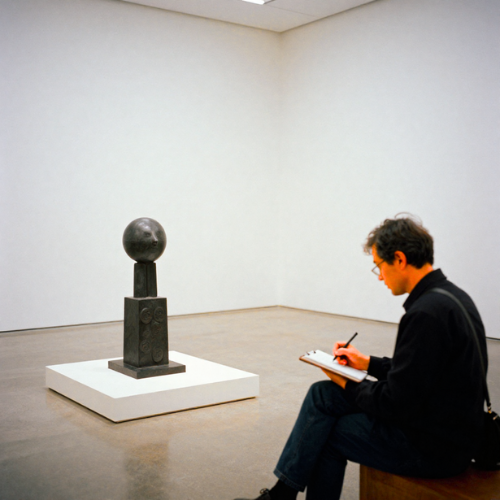
When I study other artists’ work, I focus on intention and process rather than outcome. I ask what choices were made and why they work. This shifts the experience from self-doubt to education.
Intentional study builds confidence because it expands understanding. Instead of thinking, “I’m not good enough,” the mindset becomes, “I’m learning how this works.”
4. Building a Consistent Creative Practice
Confidence thrives on consistency. Sporadic creation often leads to self-doubt because momentum never has a chance to form.
In my experience, artists who maintain even a modest but regular practice develop stronger confidence than those who wait for perfect conditions. Consistency reinforces identity. You begin to see yourself not as someone who occasionally creates, but as an artist.
Each completed session, no matter how small, reinforces belief in your ability to show up creatively. Over time, this compounds into lasting confidence.
5. Using Small Wins to Rebuild Artistic Trust
Creative confidence grows through evidence, not affirmation. One of the simplest yet most powerful techniques I’ve seen artists overlook is the power of small wins.
A small win might be finishing a sketch, resolving a composition issue, or committing to a short studio session even when motivation feels low. These moments quietly rebuild trust between you and your creative ability.
Over time, these small successes accumulate. They create a personal record that reminds you that progress is happening, even when it feels slow. Confidence strengthens when you can look back and see proof of commitment.
6. Engaging With Constructive Feedback the Right Way
Feedback plays a crucial role in creative confidence, especially within gallery and exhibition contexts. The challenge is learning how to receive feedback without internalizing it as judgment.
Confident artists listen selectively. They understand that not all feedback deserves equal weight. I always advise artists to look for patterns rather than reacting emotionally to individual opinions.
When feedback is viewed as information rather than validation, it becomes empowering. It sharpens awareness without eroding self-belief, allowing confidence to grow alongside skill.
7. Viewing Creative Blocks as Part of Artistic Growth
Creative blocks are often misunderstood. Many artists see them as signs of failure, when in reality they are signs of transition.
From years of observing artistic cycles, I’ve learned that blocks often appear before growth. They signal that the mind is processing new ideas, influences, or directions.
Reframing creative blocks as part of the journey removes fear. Confidence grows when you stop fighting these phases and instead work through them patiently and intentionally.
How Galleries and Art Communities Influence Creative Confidence
Environment has a significant impact on creative confidence. Galleries and art communities can either nurture growth or amplify insecurity, depending on how artists engage with them.
In healthy gallery spaces, confidence is reinforced through dialogue, exposure, and shared learning. Artists see that uncertainty is universal, even among established names.
Surrounding yourself with thoughtful creative communities reminds you that confidence is not a prerequisite for belonging. It is something that develops through connection and shared experience.
Practical Exercises to Apply These Techniques Daily
Creative confidence improves when techniques are practiced consistently. Simple daily exercises can reinforce belief in your creative voice without overwhelming your schedule.
This might include reflective journaling after studio sessions, intentional observation of artworks, or setting low-pressure creative goals. These habits anchor confidence in action rather than emotion.
The key is repetition. Confidence does not arrive suddenly. It forms quietly through repeated, intentional engagement with your craft.
Final Thoughts on Strengthening Creative Confidence Over Time
Creative confidence is not a destination. It is a relationship you build with your work, your process, and yourself as an artist.
Through these 7 simple techniques to boost creative confidence, the focus remains on sustainability rather than quick fixes. Confidence that lasts is grounded in practice, self-awareness, and experience.
From a gallery professional’s perspective, the most compelling artists are not the ones without doubt, but the ones who continue creating despite it. Confidence grows when you commit to the process and allow yourself the space to evolve.