I have spent years working with emerging and established artists, and one thing has become very clear: the way art is sold has changed permanently. Physical galleries still matter, but they are no longer the only gateway into the art world. For new artists especially, online art selling platforms have opened doors that were once tightly closed.
When artists first start out, access is the biggest challenge. Traditional galleries often look for a proven track record, exhibition history, or existing collectors. Online art selling platforms remove many of those barriers, allowing new artists to present their work directly to a global audience without waiting for permission.
What makes this shift so powerful is reach. Instead of relying on local foot traffic, artists can connect with collectors, interior designers, and art lovers across different countries. I have seen talented new artists gain their first serious collectors simply by being visible online in the right place.
For new artists, these platforms are not just sales channels. They are learning environments where pricing, presentation, storytelling, and audience engagement all come together.
What Are Online Art Selling Platforms?
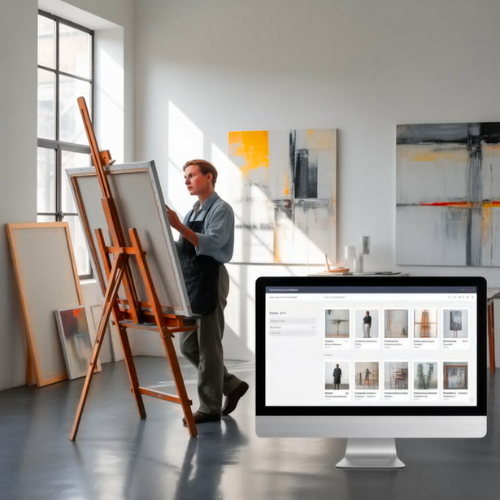
Online art selling platforms are digital spaces where artists can list, promote, and sell their artwork directly to buyers. Some operate like large marketplaces, while others function more like curated galleries or personal storefront builders.
From my professional experience, the most important thing to understand is that not all platforms serve the same purpose. Some are designed for high-volume exposure, while others focus on quality, curation, and long-term collector relationships. Knowing the difference early can save artists a lot of frustration.
Most platforms handle essential technical aspects such as payment processing, image hosting, and sometimes shipping support. This allows new artists to focus on creating art and telling their story rather than struggling with complex backend systems.
At their best, online art selling platforms act as digital extensions of physical galleries, offering artists visibility, credibility, and structure in an otherwise overwhelming online space.
Why New Artists Should Start Selling Art Online
I often advise new artists to begin selling online before they even think about approaching physical galleries. Online platforms provide immediate feedback. You quickly learn which artworks attract attention, what price ranges work, and how people respond to your visual style.
Selling art online also builds confidence. There is something transformative about your first online sale, even if it is modest. It validates your work in a very real way and encourages consistency and professionalism.
Another advantage is control. New artists can present their work exactly how they want, write their own descriptions, and shape their personal brand without compromise. In traditional gallery settings, this level of control often comes much later in an artist’s career.
Most importantly, online art selling platforms allow artists to grow at their own pace. There is no pressure to meet gallery quotas or exhibition schedules. Growth becomes organic, data-driven, and aligned with the artist’s creative rhythm.
Key Features New Artists Should Look For in an Online Art Platform
When evaluating online art selling platforms for new artists, I always recommend looking beyond popularity. A large platform is useless if it does not support your long-term growth as an artist.
Ease of use is essential. New artists should not be overwhelmed by complicated dashboards or technical requirements. Uploading artwork, editing descriptions, and managing prices should feel intuitive and efficient.
Transparent fees are another critical factor. Some platforms take commissions, others charge subscription fees, and a few combine both. Understanding exactly how much you earn per sale helps artists price their work realistically and avoid disappointment.
Marketing and discovery tools also matter. Platforms that actively promote artists through search, newsletters, or curated collections offer far more value than those that simply host images and wait for buyers to appear.
Types of Online Art Selling Platforms
Over the years, I have seen artists thrive on different types of platforms depending on their goals and working style. Understanding these categories helps new artists make smarter decisions from the start.
Marketplace-style platforms focus on volume and visibility. They attract large audiences and are ideal for artists who want exposure quickly. However, competition can be intense, and standing out requires strong presentation and consistency.
Curated online galleries operate more like traditional galleries. They often review submissions and maintain higher quality standards. While acceptance may be selective, the credibility gained can significantly boost an artist’s profile.
Personal storefront platforms allow artists to build their own branded space. These work best for artists who already have an audience or are committed to marketing themselves through social media and email lists.
Best Online Art Selling Platforms for New Artists
In my professional experience, the best online art selling platforms for new artists are not always the biggest names. The ideal platform aligns with the artist’s medium, price point, and career stage.
Some platforms are particularly supportive of emerging artists, offering educational resources, community features, and promotional opportunities. These environments are invaluable for artists still learning how to position their work.
Other platforms excel at connecting artists with serious collectors. While sales may be slower, the long-term relationships formed can be far more impactful for an artist’s career.
What matters most is consistency. Artists who commit to one or two platforms, refine their listings, and remain active tend to see better results than those who constantly switch platforms.
How to Choose the Right Online Art Selling Platform for Your Art Style
Choosing the right platform is less about trends and more about alignment. I always encourage artists to look closely at the type of art already selling on a platform and ask whether their work genuinely fits.
Visual presentation plays a major role. Some platforms favor contemporary, minimalist aesthetics, while others perform better with decorative or illustrative styles. Matching your art to the platform’s audience increases your chances of success.
Pricing expectations are equally important. If your work is priced higher, a platform with a collector-focused audience will serve you better than a mass-market marketplace.
Ultimately, the right online art selling platform should feel like a natural extension of your artistic identity, not a compromise.
Common Mistakes New Artists Make When Selling Art Online
One of the most common mistakes I see new artists make on online art selling platforms is rushing the process. Many artists upload work without refining images, writing thoughtful descriptions, or understanding their audience. This often leads to poor engagement, even when the artwork itself is strong.
Another frequent issue is underpricing or overpricing. New artists sometimes believe that low prices guarantee sales, but this can harm perceived value. On the other hand, pricing too high without credibility can discourage buyers. Finding balance requires research, observation, and patience.
Inconsistency is also a problem. Uploading once and disappearing rarely works. Successful artists treat online platforms as ongoing exhibitions, regularly updating listings, engaging with collectors, and refining their presentation.
Avoiding these mistakes early helps new artists build a professional reputation and long-term momentum.
Pricing Art on Online Art Selling Platforms
Pricing is one of the most sensitive topics for new artists, and I approach it with both realism and respect for creative labor. Online art selling platforms expose prices directly to buyers, which means pricing must feel justified and confident.
I always advise artists to consider material costs, time invested, and platform fees before setting prices. Comparing similar works on the same platform also provides valuable context without encouraging imitation.
Pricing should evolve as an artist gains visibility and sales history. Early success allows gradual increases, which signal growth rather than unpredictability.
Most importantly, pricing should reflect how seriously the artist takes their own work. Confidence in pricing often translates into confidence from buyers.
How Online Art Platforms Help Artists Build Credibility and Visibility
Visibility is not just about being seen; it is about being trusted. Online art selling platforms help new artists establish credibility by placing their work within recognized digital environments.
Features such as artist profiles, reviews, featured collections, and platform endorsements contribute to professional perception. Even without physical gallery representation, artists can present themselves with authority.
Search visibility also plays a key role. Many collectors actively search online art platforms rather than social media when looking to purchase. Being present where buyers are already searching creates organic opportunities.
Over time, consistent presentation and engagement build a digital track record that supports future gallery opportunities and collaborations.
Pros and Cons of Selling Art Through Online Platforms
From a professional standpoint, online art selling platforms offer undeniable advantages. They provide access, scalability, and flexibility that traditional galleries cannot always match, especially for new artists.
However, they are not without limitations. Competition can be intense, and platforms rarely guarantee sales. Success still depends on effort, quality, and strategic positioning.
Another consideration is control. While online platforms offer freedom, they also require artists to handle marketing, communication, and sometimes logistics themselves.
Understanding both the benefits and limitations allows artists to use online platforms strategically rather than emotionally.
Tips to Succeed on Online Art Selling Platforms as a New Artist
Success online rarely comes from talent alone. I encourage new artists to think like professionals from the start, even if their audience is small.
High-quality images are essential. Lighting, framing, and accuracy matter more online than in physical spaces. Buyers rely entirely on visuals to make decisions.
Strong descriptions also make a difference. Explaining inspiration, process, and context creates connection and trust. Art sells better when buyers understand the story behind it.
Finally, patience is critical. Growth on online art selling platforms is cumulative. Artists who stay consistent, learn from feedback, and refine their approach see the best long-term results.
Frequently Asked Questions About Online Art Selling Platforms
Many new artists ask whether they need social media to succeed on online art platforms. While it helps, it is not always required. Some platforms generate their own traffic, allowing artists to grow without external promotion.
Another common question involves exclusivity. Most platforms allow artists to sell on multiple sites, but reading terms carefully is essential to avoid conflicts.
Artists also wonder how long it takes to make sales. The truth is that timelines vary widely. Some artists sell quickly, while others build momentum gradually. Both paths are valid.
Understanding these realities helps artists set realistic expectations and stay committed.
Final Thoughts on Online Art Selling Platforms for New Artists
From my experience working in the art world, online art selling platforms for new artists are no longer optional. They are essential tools for visibility, growth, and professional development.
These platforms empower artists to take ownership of their careers while learning how the market responds to their work. They reward consistency, clarity, and confidence.
For new artists willing to approach online selling with intention and patience, the opportunities are substantial. With the right platform and mindset, the digital art space becomes a powerful extension of the contemporary art gallery.