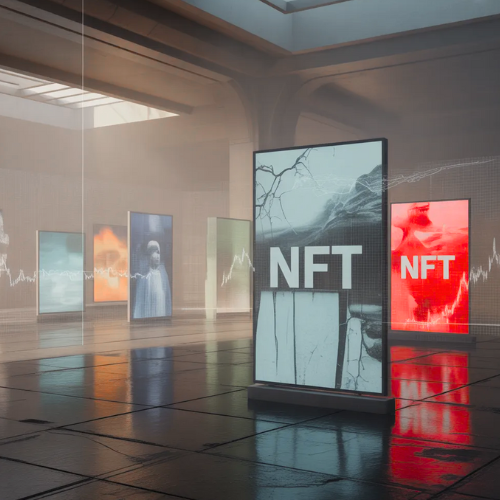
The NFT art market emerged as one of the most disruptive trends in the global art ecosystem over the past few years. At its peak, non-fungible tokens (NFTs) promised a revolutionary way for artists to monetize digital creations and for collectors to invest in blockchain-certified ownership. As someone deeply embedded in the gallery and contemporary art world, I have observed how NFTs initially brought unparalleled excitement, offering new revenue streams and reshaping the collector-artist relationship. However, the market has experienced a noticeable decline, signaling that the hype-driven boom is giving way to a more critical, mature evaluation of its sustainability.
Understanding this decline is essential for artists, collectors, investors, and galleries seeking to navigate the evolving NFT landscape. While headlines often focus on massive losses or sensational project failures, the underlying reasons are far more nuanced. From speculative overvaluation and market saturation to technological challenges and changing consumer behavior, the forces reshaping the NFT market reflect both structural and cultural shifts. In this article, I will analyze the NFT market’s trajectory, the factors driving its downturn, and the implications for participants in this new digital frontier.
Historical Context: Rise of NFTs and Market Boom
NFTs gained mainstream attention in 2020 and 2021, fueled by high-profile sales and media coverage. Digital artists who once struggled to earn recognition suddenly found themselves in front of global audiences. Pieces such as Beeple’s “Everydays: The First 5000 Days,” which sold for $69 million at Christie’s, demonstrated the market’s potential and inspired a wave of creators, investors, and galleries to engage with NFTs. The rapid adoption was amplified by blockchain technology, which offered transparent provenance and the ability to track ownership in ways traditional art markets could not.
During the boom, the NFT ecosystem expanded beyond individual artists. Galleries and digital platforms began launching NFT-focused exhibitions, while celebrities and brands entered the space, creating collectible series and limited editions. Virtual marketplaces like OpenSea, Rarible, and Foundation became essential hubs for buying, selling, and trading digital art. However, alongside this explosive growth came warnings of over-speculation, inflated valuations, and market fragmentation. As many participants entered without fully understanding blockchain mechanics or long-term market dynamics, early exuberance set the stage for volatility.
Key Drivers Behind the NFT Market Decline
Several interrelated factors have contributed to the NFT market decline. One major driver is oversaturation. At the height of the NFT craze, thousands of new collections launched daily, flooding marketplaces with content of varying quality. While the initial wave highlighted innovative projects, subsequent releases often lacked artistic or cultural significance, causing collectors to become more selective and cautious.
Economic pressures also played a significant role. The broader financial landscape, including inflation, rising interest rates, and stock market fluctuations, reduced discretionary spending among collectors and speculative investors. NFTs, often perceived as high-risk assets, were among the first areas to experience a pullback in investment. Additionally, the speculative nature of many NFT purchases meant that price corrections could be dramatic and sudden, undermining confidence in the market.
Technology and environmental concerns further influenced market sentiment. High-energy blockchain protocols, such as Ethereum (prior to its shift to proof-of-stake), generated criticism regarding sustainability, while slower transaction speeds and high gas fees created practical barriers for collectors. Projects that relied on complex smart contracts or unfamiliar marketplaces also faced adoption challenges, leaving many investors frustrated.
Cultural and artistic factors cannot be ignored. While some NFT artworks demonstrated genuine creativity and innovation, a significant portion of the market was dominated by trend-driven, meme-based projects with limited long-term value. As the initial hype faded, collectors and galleries began prioritizing projects that offered artistic depth, historical significance, or functional utility, leaving many speculative NFTs undervalued or unsold.
Impact on Artists, Collectors, and Investors
The decline of the NFT market has had tangible effects across the digital art ecosystem. For artists who relied on NFT sales as a primary revenue source, reduced demand has led to financial instability and forced many to reconsider their approach. While top-tier creators continue to attract attention, mid-tier and emerging artists often struggle to maintain visibility or recoup production costs.
Collectors and investors have also been affected, facing volatility that challenges both short-term speculation and long-term investment strategies. Some early adopters have realized substantial profits, while others have encountered significant losses, particularly among projects that failed to maintain community engagement or market value. As the market matures, buyers are increasingly cautious, demanding verifiable provenance, ongoing utility, and artistic merit.
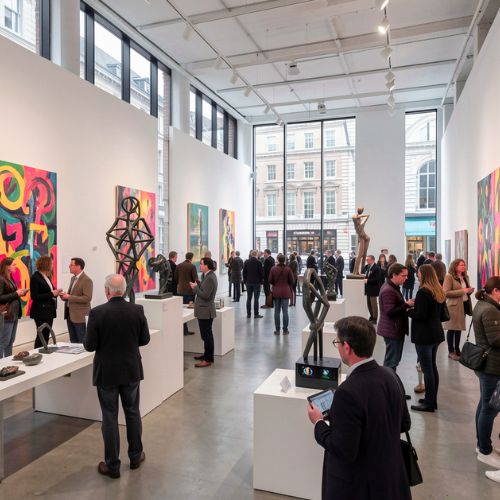
Galleries and institutions experimenting with NFTs have encountered a learning curve as well. While some successfully integrated digital offerings alongside traditional exhibitions, others discovered that NFT initiatives alone were insufficient to sustain audience engagement or revenue. This experience has underscored the importance of combining digital innovation with curation, education, and community-building strategies.
Shifts in Consumer Behavior and Market Dynamics
The NFT market decline has been closely tied to evolving consumer behavior and shifting market dynamics. Early NFT buyers were often motivated by speculative gains rather than long-term engagement with digital art. As the novelty wore off and the market became saturated, these speculative buyers withdrew, leaving a smaller pool of serious collectors who evaluate NFTs on artistic merit, community support, and intrinsic value.
This shift has forced the market to recalibrate. Whereas the early frenzy was characterized by rapid flips and short-term trading, today’s collectors prioritize projects with strong narratives, clear provenance, and enduring cultural relevance. For example, platforms hosting artist-led, limited editions with transparent royalties have seen higher retention rates compared to generic, mass-produced collections. The market is moving toward quality over quantity, emphasizing sustainable growth rather than unsustainable hype.
Additionally, secondary marketplaces have become more discerning. Many high-volume platforms now highlight curated collections or verified creators, which influences buyer behavior and reduces impulsive purchasing. This evolution mirrors broader trends in the traditional art market, where collectors increasingly rely on expertise, curation, and reputation when making acquisitions.
Role of Technology and Blockchain Challenges
Technology, particularly blockchain infrastructure, has been both the foundation and a source of friction in the NFT market. Blockchain ensures verifiable ownership, but it also introduces complexity and cost. High gas fees, network congestion, and slow transaction speeds have discouraged smaller collectors, limiting participation and liquidity.
Security issues have also affected confidence. Hacks, fraudulent projects, and phishing attacks have highlighted the risks associated with digital ownership. While the blockchain provides a permanent record of provenance, the broader ecosystem—including wallets, marketplaces, and smart contracts—remains vulnerable. Projects that fail to address these challenges can quickly lose credibility, contributing to the perception of instability and accelerating market decline.
Moreover, environmental concerns, particularly around proof-of-work networks, have shaped public perception. Even as major blockchains transition to more sustainable models, skepticism regarding the ecological footprint of NFTs has influenced both collectors and institutions. Galleries and artists seeking to integrate NFTs now weigh these factors carefully, often opting for eco-friendly blockchains or hybrid solutions to maintain credibility and appeal.
Case Studies: Notable NFT Projects and Market Fluctuations
Examining specific NFT projects helps illustrate the market’s volatility. Beeple’s early successes, for instance, were followed by more speculative collections that struggled to maintain value once initial hype faded. Projects like Bored Ape Yacht Club initially commanded extraordinary prices and attention, but even high-profile collections have seen price corrections, demonstrating the fragility of hype-driven markets.
Smaller, artist-led NFT projects provide a contrasting perspective. Collections emphasizing community engagement, narrative depth, and ongoing utility—such as curated digital exhibitions or collaborative releases—have retained collector interest and even grown in value despite broader market declines. These examples highlight a key lesson: long-term viability depends on strategic curation, artist reputation, and meaningful engagement, rather than simply riding the wave of initial hype.
| Project Name | Peak Value (USD) | Current Trend | Key Insight |
|---|---|---|---|
| Beeple “Everydays” | 69 million | Stable | Reputation-driven, high-profile sales sustain interest |
| Bored Ape Yacht Club | 320k average | Corrected | Hype-driven, highly volatile |
| Artist-Led Curated NFT | 5–50k per piece | Steady growth | Community-focused and narrative-driven collections retain value |
This table illustrates the contrast between speculative and curated projects, underscoring how strategy and artistic value impact sustainability.
Future Outlook: Predictions for the NFT Art Industry
Looking ahead, the NFT art market is likely to continue maturing, transitioning from hype-driven speculation to a more structured, collector-focused ecosystem. Platforms emphasizing curation, quality, and utility will gain prominence, while projects lacking long-term engagement strategies may struggle to survive.
I anticipate that NFTs will increasingly integrate with traditional art galleries, museums, and cultural institutions, creating hybrid models that combine physical exhibitions with digital assets. Such integration can provide legitimacy, diversify revenue streams, and attract a broader audience. Additionally, emerging technologies such as augmented reality (AR) and virtual reality (VR) may enhance the NFT experience, offering immersive ways to engage with digital art beyond static displays.
Strategies for Artists and Galleries Navigating the NFT Market
For artists, the key to thriving in a declining NFT market lies in strategy, community, and authenticity. Focusing on curated collections, storytelling, and ongoing engagement helps maintain collector interest. Collaborations with galleries, museums, and digital platforms can provide stability, exposure, and credibility, bridging the gap between traditional and digital art markets.
Galleries, meanwhile, must embrace hybrid models that combine in-person exhibitions with NFT offerings. Educating collectors about blockchain, provenance, and the artistic value of NFTs can strengthen trust and encourage informed investment. Partnerships with technology providers, sustainable blockchain adoption, and curated digital programs are increasingly essential to maintain relevance and financial viability.
Conclusion:
The decline of the NFT art market is not a failure but a recalibration. It reveals the importance of quality, curation, and sustainable strategies in a highly speculative space. Artists, collectors, and galleries that focus on long-term value, community engagement, and technological literacy are better positioned to navigate the evolving digital art landscape.
As an experienced gallery professional, I see this phase as an opportunity rather than a setback. The NFT market is maturing, separating fleeting hype from projects with enduring cultural and financial value. By learning from past mistakes and embracing innovation, participants in the NFT ecosystem can build a more resilient, artistically rich, and financially sustainable future.