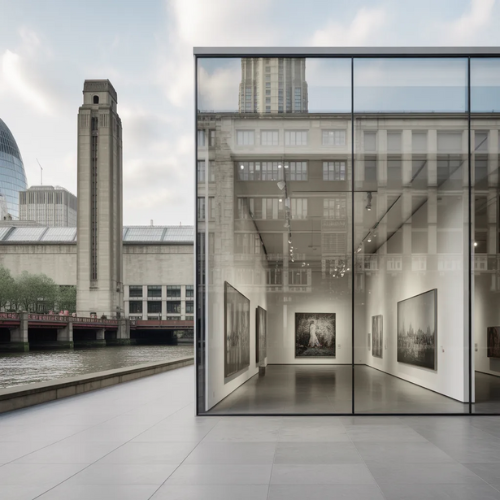
London occupies a unique position in the contemporary art world. I’ve spent years observing how cities shape artistic movements, and London consistently stands out as a place where experimentation, institutional support, and global influence intersect. The city doesn’t just display contemporary art; it actively participates in shaping it.
What makes London especially compelling is its openness to diverse artistic voices. Artists from across Europe, Africa, Asia, and the Americas converge here, bringing perspectives that feel both local and global. This cultural exchange gives London’s contemporary art spaces an energy that feels alive rather than static.
For anyone searching for must-visit contemporary art spaces in London, the experience goes beyond viewing exhibitions. These spaces encourage dialogue, challenge assumptions, and often reflect the social and political realities of the moment.
How These Contemporary Art Spaces Were Selected
This selection is based on curatorial credibility, artistic impact, and consistency. I focused on spaces that have demonstrated long-term relevance rather than short-lived popularity. A strong contemporary art space should take risks while maintaining intellectual rigor, and every institution listed here meets that standard.
Visitor experience also played an important role. The best contemporary art spaces make complex ideas accessible without oversimplifying them. Clear exhibition narratives, thoughtful layout, and a willingness to engage the public matter just as much as the artists on display.
Finally, I considered influence. Many of these spaces shape international exhibition trends, introduce artists who later gain global recognition, or redefine how contemporary art is presented and understood.
Must-Visit Contemporary Art Spaces in London:
#1. Tate Modern
Tate Modern is impossible to ignore when discussing contemporary art in London. Housed in a former power station, the building itself sets the tone for the bold, ambitious programming inside. Every time I visit, I’m reminded that scale can be a powerful curatorial tool when used thoughtfully.
The museum’s collection spans post-war modernism to cutting-edge contemporary practices. Rather than organizing works strictly by chronology, Tate Modern often arranges exhibitions around themes. This approach encourages viewers to draw connections across time, geography, and medium.
What I value most about Tate Modern is its willingness to evolve. Exhibitions change frequently, installations are reimagined, and the space consistently reflects current conversations in the art world. It’s not just a museum you visit once; it’s a place you return to as your understanding of contemporary art deepens.
#2. Saatchi Gallery
The Saatchi Gallery occupies a distinct position within London’s contemporary art landscape. Known for spotlighting emerging and provocative artists, it has played a significant role in shaping public interest in contemporary art over the past few decades.
Visiting the Saatchi Gallery often feels like stepping into a space where boundaries are intentionally tested. Exhibitions tend to be bold, visually striking, and sometimes controversial. This approach attracts visitors who are curious and open to being challenged.
From a professional perspective, the Saatchi Gallery is valuable because it captures moments of transition in contemporary art. Artists shown here often go on to gain institutional recognition, making the gallery a useful place to observe emerging trends before they become mainstream.
#3. White Cube
White Cube represents the commercial side of contemporary art at its most refined. With multiple locations in London, the gallery is known for representing internationally recognized artists and presenting museum-quality exhibitions within a commercial context.
The gallery spaces are deliberately minimalist, allowing artworks to command attention without distraction. This curatorial restraint creates an environment where viewers can focus on material, concept, and execution.
What makes White Cube essential is its influence. Exhibitions here often shape market trends and critical discourse simultaneously. For visitors interested in understanding how contemporary art operates within both cultural and commercial systems, White Cube offers valuable insight.
#4. Serpentine Galleries
Serpentine Galleries provide one of the most intellectually engaging contemporary art experiences in London. Located in Kensington Gardens, the galleries combine an accessible public setting with ambitious curatorial programming.
Exhibitions at Serpentine frequently explore interdisciplinary themes, blending visual art with architecture, science, and philosophy. I find that this approach encourages slower viewing and deeper reflection.
The galleries are particularly strong in presenting artists who challenge conventional exhibition formats. Installations often respond directly to the space, making each visit feel site-specific and thoughtfully constructed.
#5. Hayward Gallery
The Hayward Gallery has long been associated with experimental and conceptually rigorous exhibitions. Its Brutalist architecture sets the tone for programming that is unapologetically contemporary and often demanding.
Rather than offering easy entry points, the Hayward encourages critical engagement. Exhibitions are carefully curated and often explore complex themes through immersive installations, video works, and large-scale sculpture.
From an expert standpoint, the Hayward Gallery is important because it prioritizes artistic integrity over popularity. It’s a space where artists are given room to push ideas to their limits, and where viewers are invited to meet that challenge.
#6. Camden Art Centre
Camden Art Centre offers a more intimate but equally serious contemporary art experience. It’s a space I often recommend to visitors who want depth without the overwhelming scale of larger institutions.
The gallery focuses on solo exhibitions and carefully researched projects. This allows for a deeper understanding of an artist’s practice rather than a surface-level overview.
Camden Art Centre also excels in education and public programming. Talks, workshops, and publications often accompany exhibitions, making it a space where learning and viewing go hand in hand.
#7. ICA London (Institute of Contemporary Arts)
The Institute of Contemporary Arts, commonly known as the ICA, occupies a special place in London’s cultural landscape. Unlike traditional galleries, the ICA operates as a multidisciplinary space where visual art, film, performance, and critical theory intersect. Every visit feels less like attending an exhibition and more like stepping into an ongoing cultural conversation.
Exhibitions at the ICA often focus on emerging artists and experimental practices. This is where ideas are tested, sometimes imperfectly, but always with intellectual ambition. I’ve found that the ICA attracts an audience willing to engage critically rather than passively consume art.
What makes the ICA essential is its role as a platform for voices that challenge institutional norms. For visitors interested in contemporary art as a living, evolving practice, the ICA provides rare and necessary perspective.
#8. Victoria Miro Gallery
Victoria Miro represents the highest level of contemporary gallery practice in London. The gallery’s programming is both visually refined and intellectually rigorous, with a strong emphasis on long-term relationships with artists.
The space itself is thoughtfully designed, combining clean architectural lines with natural light and carefully planned exhibition flow. This environment allows works to unfold gradually rather than compete for attention.
From a professional standpoint, Victoria Miro stands out for consistency. Exhibitions rarely feel rushed or trend-driven. Instead, they reflect sustained artistic development, making the gallery particularly valuable for collectors and serious enthusiasts seeking depth and continuity.
#9. David Zwirner London
David Zwirner’s London space brings an international perspective to the city’s contemporary art scene. As part of a globally influential gallery network, its exhibitions often feel museum-like in scale and ambition.
The gallery represents some of the most significant contemporary artists working today. Shows are typically accompanied by strong curatorial frameworks, detailed texts, and carefully considered installation choices.
What I appreciate about David Zwirner London is its balance. While the gallery operates within the commercial sphere, exhibitions rarely feel transactional. Instead, they contribute meaningfully to contemporary art discourse.
Contemporary Art Spaces in East London
East London has become one of the most important areas for contemporary art in the city. Neighborhoods such as Shoreditch, Hackney, and Bethnal Green are home to a dense concentration of experimental and artist-led spaces.
These galleries often operate with limited resources but significant creative freedom. As a result, exhibitions feel immediate and responsive to current cultural conditions. I’ve encountered some of the most compelling emerging practices in these spaces.
East London’s contemporary art scene rewards curiosity. Visitors willing to explore beyond major institutions often discover artists and ideas that feel refreshingly unfiltered and raw.
Emerging and Independent Contemporary Art Spaces to Watch
London’s strength lies not only in its major institutions but also in its network of independent galleries and project spaces. These venues often serve as incubators for new ideas and unconventional exhibition formats.
Independent spaces tend to prioritize artistic experimentation over commercial success. This allows artists to take risks that might not be possible in more established settings.
For readers seeking a deeper understanding of London’s contemporary art ecosystem, these spaces provide insight into how innovation begins. They often reveal where the art world is heading before broader recognition follows.
Best Areas in London for Contemporary Art Exploration
Certain areas of London are particularly rewarding for gallery visits. South Bank is home to major institutions like Tate Modern and the Hayward Gallery, making it ideal for concentrated exploration.
Central London offers access to established commercial galleries such as White Cube, Victoria Miro, and David Zwirner. These spaces are often within walking distance of one another, creating a cohesive viewing experience.
East London remains the most dynamic area for discovering emerging art. Its density of independent galleries makes it a key destination for those seeking fresh perspectives.
To offer clarity, here’s a simple overview:
| Area | Contemporary Art Focus | Visitor Experience |
|---|---|---|
| South Bank | Major institutions | Museum-scale exhibitions |
| Central London | Established galleries | Refined, curated shows |
| East London | Emerging spaces | Experimental and exploratory |
Practical Tips for Visiting Contemporary Art Spaces in London
Approaching London’s contemporary art scene with intention makes a noticeable difference. I always recommend planning visits around specific areas rather than attempting to cover the entire city in one day.
Many commercial galleries are free to enter and welcome casual visitors. Museums may require tickets or timed entry, so checking schedules in advance helps avoid frustration.
A few practical considerations can enhance the experience:
-
Visit during weekdays for quieter viewing
-
Allow time to read curatorial texts and wall labels
-
Avoid rushing; contemporary art often rewards slow engagement
Best Time of Year to Explore London’s Contemporary Art Scene
Spring and autumn are ideal times to explore contemporary art in London. Exhibition calendars are particularly strong during these seasons, and the weather makes moving between galleries more comfortable.
Summer can be quieter, especially in August, when some galleries pause programming. However, this can also offer a more relaxed viewing experience with fewer crowds.
Regardless of timing, London’s contemporary art spaces remain active year-round. There is always something worth seeing for those willing to look closely.
Conclusion:
London offers one of the most intellectually stimulating contemporary art scenes in the world. Its strength lies in balance: established institutions coexist with experimental spaces, and global voices are welcomed alongside local perspectives.
For anyone searching for must-visit contemporary art spaces in London, the city rewards curiosity, patience, and openness. The most meaningful experiences often come from unexpected encounters rather than famous names.
Ultimately, contemporary art in London is not about checking off destinations. It’s about engaging with ideas, questioning assumptions, and allowing art to challenge how you see the world.