The news that the Louvre announces expansion plans and new wing immediately captured global attention, and for good reason. As someone deeply immersed in the art gallery world, I understand how rare and significant such an announcement truly is. The Louvre is not just another museum; it is a cultural landmark that shapes how art is preserved, displayed, and experienced across continents. Any structural or strategic change within its walls sends ripples through the entire art industry.
From an art professional’s perspective, this expansion is more than architectural growth. It represents a shift in how major institutions respond to modern visitor expectations, evolving collections, and the increasing demand for immersive cultural experiences. Searchers looking for updates about the Louvre are not only curious about construction plans; they want to know what this means for art, tourism, and the future of museum design. That is exactly where the true value of this topic lies.
Overview of the Louvre Museum and Its Global Significance
The Louvre stands as one of the most influential art institutions in history. Located in Paris, it attracts millions of visitors each year, making it one of the most visited museums worldwide. Its reputation is built on centuries of artistic heritage, iconic masterpieces, and its ability to merge historical architecture with modern functionality. When people search for updates about the Louvre, they are often seeking reassurance that this legacy will continue to grow rather than remain static.
What makes the Louvre exceptional is not only its collection but its symbolism. It represents the evolution of art appreciation across generations. From the Renaissance to contemporary works, the museum has consistently adapted to remain relevant. This adaptability is precisely why the announcement of a new wing carries weight. It signals that the Louvre is not merely preserving the past; it is actively preparing for the future.
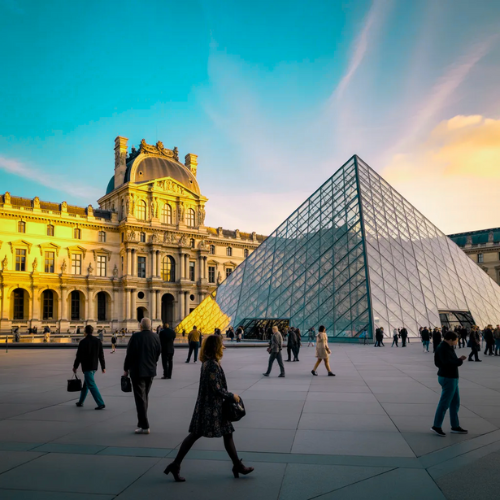
In the art gallery niche, institutions often struggle to balance preservation with innovation. The Louvre, however, has repeatedly demonstrated that expansion can coexist with heritage. The glass pyramid addition in the late 20th century once sparked controversy, yet today it is an unmistakable symbol of the museum. This historical precedent gives credibility to current expansion plans and reassures both critics and enthusiasts.
What the Expansion Announcement Means
When the Louvre announces expansion plans and a new wing, it reflects a strategic response to multiple pressures. Visitor numbers have surged over the years, and overcrowding has become a frequent concern. Expansion is not simply about adding space; it is about improving accessibility, enhancing visitor flow, and creating environments where art can be appreciated without distraction or discomfort.
For art professionals and collectors, such an announcement often signals new opportunities. Expanded galleries typically mean room for rotating exhibitions, international collaborations, and the display of previously archived works. This development can influence art trends, increase exposure for lesser-known artists, and stimulate cross-cultural dialogue within the global art community.
There is also an emotional dimension attached to this news. Many art enthusiasts feel a personal connection to the Louvre. Expansion reassures them that the museum is evolving rather than stagnating. In the digital age, where attention spans are short and entertainment options are endless, maintaining relevance is critical. A new wing acts as both a physical and symbolic invitation for new generations to engage with fine art.
Details of the New Wing and Planned Features
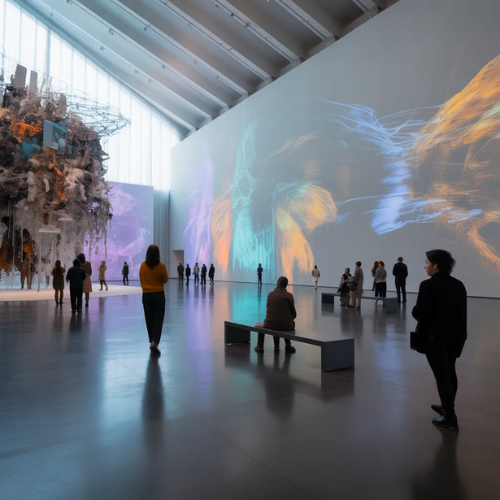
Although specific architectural details may evolve over time, expansion announcements typically outline intended features that reveal the museum’s priorities. In the case of the Louvre, expectations revolve around enhanced exhibition spaces, improved lighting systems, interactive installations, and technologically advanced visitor services. These elements are no longer luxuries; they are necessities in modern museum design.
From my professional observation, new wings in major museums often focus on three primary goals:
• Increasing display capacity
• Improving visitor circulation
• Integrating digital and multimedia experiences
These goals directly address common visitor frustrations such as crowded halls, limited seating areas, and insufficient informational resources. By designing a new wing with these considerations in mind, the Louvre positions itself as both a guardian of tradition and a leader in innovation.
Another aspect worth noting is the potential inclusion of specialized galleries. These could range from thematic exhibitions to dedicated contemporary art spaces. Such additions allow museums to diversify their offerings without altering their core identity. For visitors, this translates into richer and more varied experiences, encouraging repeat visits rather than one-time tourism.
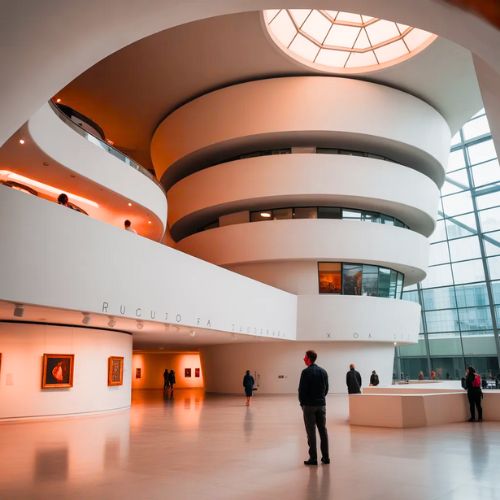
The architectural vision behind a new wing also plays a crucial role. Modern museum expansions often aim to create harmony between old and new structures rather than stark contrast. When executed effectively, this balance enhances the museum’s aesthetic appeal while preserving its historical essence. For searchers interested in the topic, understanding this balance helps them appreciate why expansion is not merely construction but a carefully curated artistic decision.
Reasons Behind the Louvre’s Expansion
One of the most compelling reasons behind the decision when the Louvre announces expansion plans and new wing is the sheer volume of visitors the museum receives annually. Overcrowding has become a recurring issue, particularly around world-famous masterpieces such as the Mona Lisa and the Venus de Milo. From a professional art gallery standpoint, expansion is often less about ambition and more about necessity. Museums of this scale must continuously evolve to maintain both safety and quality of experience.
Another major factor is the continuous growth of art collections. Museums rarely stop acquiring works. Donations, acquisitions, and long-term loans steadily increase inventory, and without additional space, valuable pieces remain hidden in storage. Expansion allows curators to bring unseen artworks into public view, which benefits both artists and audiences. It also enhances the institution’s credibility as a living, breathing cultural archive rather than a static display of past achievements.
Technological advancement is another driving force. Modern audiences expect interactive experiences, digital guides, and immersive installations. Older architectural structures often limit the integration of such innovations. A new wing provides the flexibility to incorporate cutting-edge technology without compromising the integrity of historic buildings. This balance between heritage and modernity is a recurring theme in successful museum expansions worldwide.
Architectural Vision and Design Expectations
Architecture in a museum context is never purely functional; it is an extension of artistic expression. When expansion plans surface, expectations naturally rise regarding the visual and conceptual direction of the new structure. The Louvre, known for its architectural symbolism, carries a legacy of bold yet thoughtful design decisions. Any new wing is expected to complement rather than overshadow the existing complex.
In professional art circles, architectural vision often reflects institutional philosophy. Transparent glass structures, open-plan interiors, and sustainable materials have become increasingly popular. These choices are not arbitrary; they communicate openness, accessibility, and environmental responsibility. Visitors subconsciously interpret these design elements, which ultimately shape their emotional connection to the museum.
Lighting design also plays a crucial role. Natural light, controlled artificial illumination, and adaptive spotlighting influence how artworks are perceived. A poorly lit gallery can diminish the impact of even the most extraordinary masterpiece. Conversely, thoughtful lighting elevates artistic details and enhances visitor engagement. Expansion projects usually allocate significant resources to this aspect, recognizing its direct influence on visitor satisfaction.
Impact on Art Collections and Exhibitions
The expansion of a museum like the Louvre has a direct and measurable impact on art collections and exhibition strategies. Increased space allows for broader thematic displays, more frequent rotation of works, and deeper storytelling through curated exhibitions. For art lovers and collectors, this translates into richer educational and emotional experiences.
Expanded galleries often encourage international collaborations. Institutions become more willing to exchange artworks when adequate space and security measures are available. This cultural exchange benefits global audiences, introducing them to artistic traditions they might never encounter otherwise. In my experience within the art gallery niche, such collaborations significantly elevate a museum’s prestige and influence.
There is also the advantage of showcasing underrepresented artists and movements. Museums historically focused on specific eras or regions, sometimes unintentionally sidelining diverse voices. Additional space provides an opportunity to correct these imbalances, offering a more inclusive narrative of art history. This shift not only attracts broader audiences but also aligns with modern cultural values.
Cultural and Economic Impact on Paris
The announcement that the Louvre is expanding extends far beyond museum walls. Paris, already recognized as a global cultural capital, stands to benefit economically and socially. Tourism inevitably increases when major attractions undergo transformation. New wings generate renewed interest, drawing both first-time visitors and returning travelers eager to experience the updated environment.
Local businesses also feel the positive effects. Hotels, restaurants, galleries, and transportation services often experience a surge in demand during and after expansion projects. Cultural tourism is a powerful economic engine, and the Louvre’s influence amplifies this effect significantly. For the city, expansion is not merely a cultural investment but a strategic economic decision.
Culturally, the impact is equally profound. A museum expansion reinforces Paris’s identity as a city that values art and innovation simultaneously. It signals to the world that heritage is not frozen in time but actively nurtured. This perception strengthens the city’s global reputation and encourages further artistic and cultural initiatives.
Reactions from the Art World and Public
Whenever the Louvre announces expansion plans and a new wing, reactions are immediate and diverse. Within professional art communities, the news is often met with cautious optimism. Curators, artists, and collectors recognize the potential benefits but also understand the complexities involved in large-scale projects. Concerns may arise regarding budget allocation, preservation risks, or architectural harmony, yet enthusiasm typically outweighs skepticism.
The general public’s response tends to be emotionally driven. Many people associate the Louvre with personal memories, educational milestones, or lifelong artistic admiration. Expansion announcements can evoke excitement, curiosity, and sometimes nostalgia. Social media platforms amplify these reactions, turning institutional decisions into global conversations within hours.
Criticism is not uncommon, and it plays a healthy role in shaping final outcomes. Public discourse encourages transparency and accountability, ensuring that expansion plans remain aligned with cultural values rather than purely commercial interests. In my professional observation, museums that actively engage with public feedback often achieve more successful and widely accepted results.