Over the years, I have watched the perception of limited edition prints evolve dramatically. What was once seen as a secondary option to original artworks is now widely recognized as a serious category within the art market. Collectors today are more informed, more strategic, and increasingly aware of how limited edition prints can hold and even grow in long-term value.
This shift is not accidental. Limited edition prints sit at the intersection of accessibility and exclusivity. They allow collectors to own work by respected or emerging artists at a more approachable price point, while still benefiting from scarcity. When chosen carefully, these works can develop a meaningful presence in both private collections and the secondary market.
The growing global interest in printmaking, combined with better documentation, authentication standards, and gallery representation, has made collectors more confident in viewing limited edition prints as long-term assets rather than decorative purchases. This confidence is a key driver behind their increasing demand.
Understanding Limited Edition Prints in the Art Market
A limited edition print is not simply a reproduction. It is a carefully produced work that is created in a fixed number of copies, known as an edition. Once that edition is completed, no additional prints are made from the same plate, screen, or digital file. This limitation is fundamental to its value.
In professional gallery settings, limited edition prints are often produced using specialized techniques such as etching, lithography, screen printing, or high-quality archival digital processes. These methods ensure consistency, durability, and artistic integrity. The artist is typically involved in approving the final output, which further reinforces authenticity.
What truly distinguishes limited edition prints from mass-produced art is intent. Each print is meant to exist as part of a defined body of work, not as an unlimited commercial product. This intention, combined with controlled supply, plays a critical role in shaping the long-term value of limited edition prints.
What Long-Term Value Means in Art Collecting
When discussing long-term value, I always emphasize that it goes beyond price appreciation alone. Financial growth is important, but it is only one component of value. Cultural relevance, historical significance, and sustained demand all contribute to whether a print maintains or increases its worth over time.
In my experience, collectors who focus solely on short-term resale often miss the bigger picture. Art markets reward patience. A limited edition print may take years to gain recognition, especially if the artist is still building their reputation. Long-term value often reveals itself gradually, not immediately.
There is also an emotional dimension that should not be ignored. Prints that resonate with collectors, curators, and institutions tend to stay visible. Visibility supports value. When a work continues to be discussed, exhibited, or referenced, it remains relevant, which strengthens its long-term position in the market.
Key Factors That Influence the Long-Term Value of Limited Edition Prints
The artist’s reputation is one of the most influential factors in determining long-term value. Established artists with museum exhibitions, critical recognition, and consistent gallery representation tend to see their prints perform more reliably over time. However, emerging artists with strong conceptual foundations can also experience significant growth.
Edition size is another critical element. Smaller editions generally create greater scarcity, which can positively affect value. A print from an edition of 25 will usually carry more long-term potential than one from an edition of 500, assuming other factors are equal.
Materials and technique also matter. Prints produced with archival inks, acid-free paper, and proven printmaking methods are more likely to withstand time without degradation. Collectors who understand these technical details often make better long-term decisions.
The Role of Artist Signatures, Numbering, and Certificates of Authenticity
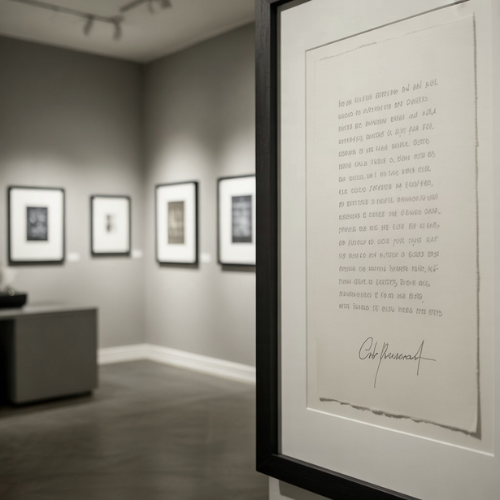
A signed and numbered print holds far more credibility in the long run than an unsigned one. The artist’s signature confirms direct involvement, while numbering clearly defines the print’s place within the edition. These small details carry significant weight in the secondary market.
Certificates of authenticity are equally important. In a gallery environment, I treat documentation as non-negotiable. A well-documented print provides reassurance to future buyers and appraisers, reducing uncertainty and protecting long-term value.
Lack of proper documentation is one of the most common reasons prints lose credibility over time. Even beautifully executed works can struggle in the market if provenance is unclear. Serious collectors understand that paperwork is not a formality; it is part of the artwork’s identity.
How Limited Edition Prints Compare to Original Artworks Over Time
Original artworks often command higher prices, but that does not automatically mean they outperform limited edition prints in the long term. Prints offer a different value proposition. They allow artists to circulate their work more widely, which can enhance visibility and demand.
In some cases, limited edition prints benefit directly from the success of original works. As an artist’s originals increase in value, collectors often turn to prints as a more attainable entry point. This increased demand can positively impact print prices over time.
From a risk perspective, limited edition prints can be a more balanced option. While originals are unique, they also require a higher initial investment. Prints offer diversification and accessibility, which appeals to collectors building a thoughtful, long-term collection.
Market Demand and Collector Behavior Over Time
One of the most reliable indicators of the long-term value of limited edition prints is sustained market demand. Demand does not appear overnight. It develops through consistent exposure, critical discussion, and collector confidence. Over time, I have seen how prints that were once overlooked gradually become sought-after as artists gain recognition and their narratives deepen.
Collector behavior also evolves. Early buyers are often driven by personal connection, while later collectors may enter the market with a more analytical mindset. When both emotional and strategic collectors pursue the same prints, value tends to stabilize and grow. This balance is essential for long-term performance.
Secondary market activity provides valuable insight. When limited edition prints begin appearing in auctions or resales at higher price points, it signals maturity in demand. Not every print reaches this stage, but those that do often demonstrate strong long-term potential.
Case Studies of Limited Edition Prints That Increased in Value
Throughout my career, I have witnessed several instances where limited edition prints experienced meaningful appreciation. In many cases, these prints were produced early in an artist’s career and initially priced modestly. As the artist’s work entered institutional collections and major exhibitions, demand for earlier prints increased significantly.
Emerging artists provide particularly interesting examples. Prints released during formative years often carry historical importance later on. Collectors who recognized quality, consistency, and vision early were rewarded with both cultural and financial value.
What these cases consistently demonstrate is that value growth is rarely accidental. It results from thoughtful curation, strong artistic identity, and long-term visibility within the art ecosystem. Limited edition prints that align with these factors tend to perform best.
The Importance of Proper Care and Preservation for Long-Term Value
Preservation plays a vital role in maintaining the long-term value of limited edition prints. Even the most desirable artwork can lose value if it is poorly cared for. I always advise collectors to think of preservation as part of the investment process.
Proper framing using archival materials protects prints from light exposure, humidity, and physical damage. Acid-free mounts and UV-protective glass are not luxuries; they are necessities for long-term care. Storage conditions also matter when prints are not displayed.
Condition reports become increasingly important over time. Collectors who maintain prints in excellent condition preserve both aesthetic and market value. In the long run, preservation can be the difference between a print that appreciates and one that stagnates.
How Galleries Contribute to the Long-Term Value of Limited Edition Prints
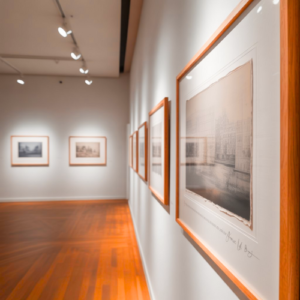
Galleries play a crucial role in shaping the long-term value of limited edition prints. A reputable gallery does more than sell artwork. It curates, contextualizes, and supports the artist’s career over time. This ongoing representation builds trust in the market.
When a gallery consistently places an artist’s work in exhibitions, art fairs, and private collections, it reinforces demand. Collectors often feel more confident investing in prints that come from galleries with established reputations and transparent practices.
In my experience, gallery-backed prints tend to maintain better documentation and pricing consistency. These factors contribute to stability, which is essential for long-term value. A strong gallery relationship can significantly enhance a print’s future prospects.
Common Misconceptions About Investing in Limited Edition Prints
One common misconception is that all limited edition prints automatically increase in value. Limitation alone does not guarantee appreciation. Quality, relevance, and market support are far more important than edition size alone.
Another misunderstanding is that higher price equals higher long-term value. Some prints are overpriced due to hype rather than substance. Over time, the market corrects itself. Prints that lack artistic depth or sustained demand often struggle to hold value.
I also encounter collectors who believe prints are purely decorative. While prints can certainly enhance interiors, dismissing their investment potential overlooks decades of market evidence. Limited edition prints occupy a legitimate and respected position in art collecting.
How to Evaluate a Limited Edition Print Before Purchasing
Evaluating a limited edition print requires both research and intuition. I always recommend starting with the artist. Understanding their background, influences, and exhibition history provides valuable context for long-term value.
Edition details should be examined closely. Smaller editions, high-quality materials, and artist involvement in production are positive indicators. Documentation, including certificates of authenticity, should always be reviewed.
Finally, personal connection matters. Collectors who feel genuinely drawn to a print are more likely to hold it long term. This patience often aligns naturally with value appreciation. Strategic thinking and emotional engagement are not mutually exclusive.
Long-Term Value Versus Emotional and Decorative Value
Art collecting is not purely transactional. Emotional value plays a significant role in long-term ownership. Prints that resonate deeply are more likely to remain in collections, which reduces market saturation and supports value.
Decorative appeal can coexist with investment potential. However, prints chosen solely to match interiors often lack the conceptual depth that sustains long-term interest. I encourage collectors to prioritize meaning over trends.
When emotional connection and artistic integrity align, the result is a collection that is both personally fulfilling and financially resilient. This balance is at the heart of sustainable art collecting.
Are Limited Edition Prints a Smart Long-Term Investment Today?
In today’s art market, limited edition prints remain a compelling option for long-term collectors. They offer accessibility without sacrificing seriousness. For many collectors, prints provide a strategic entry point into meaningful art ownership.
Market conditions continue to favor well-documented, thoughtfully produced prints by artists with clear trajectories. As education and transparency increase, collectors are becoming more selective, which benefits high-quality works.
While no investment is guaranteed, limited edition prints selected with care, knowledge, and patience can offer enduring value. The key lies in informed decision-making rather than speculation.
Conclusion on Building a Thoughtful Print Collection for the Long Term
The long-term value of limited edition prints is shaped by intention, not impulse. Collectors who take time to understand artists, materials, and market dynamics position themselves for meaningful outcomes.
I believe the most successful collections are built gradually. They reflect curiosity, discernment, and respect for the artistic process. Over time, these qualities translate into both cultural relevance and financial strength.
Ultimately, limited edition prints reward those who approach collecting as a long-term relationship rather than a quick transaction. With thoughtful selection and proper care, they can hold lasting value in every sense of the word.