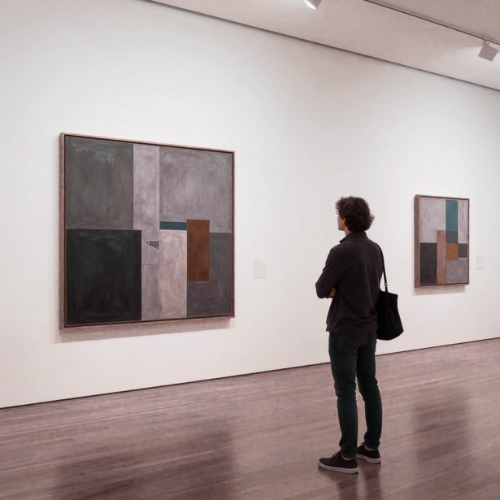
Texture is one of the most underestimated elements in visual art, yet it is often the detail that separates a competent piece from a memorable one. Over years of working closely with artists and curating gallery exhibitions, I have seen how texture quietly commands attention long before color or subject matter fully registers.
Texture invites the viewer to slow down. It encourages the eye to linger, to explore surfaces, layers, and subtle irregularities. Whether the artwork is abstract or representational, texture introduces a tactile quality that makes the piece feel more alive and intentional.
When artists ask how to use textures to enhance artwork, the real question beneath it is how to create deeper engagement. Texture does exactly that. It adds physical presence, emotional weight, and visual complexity that flat surfaces simply cannot achieve on their own.
What Texture Means in Art
Texture in art refers to the surface quality of a work, or the illusion of that surface. It can be something that physically exists, or something that is carefully suggested through technique and visual cues.
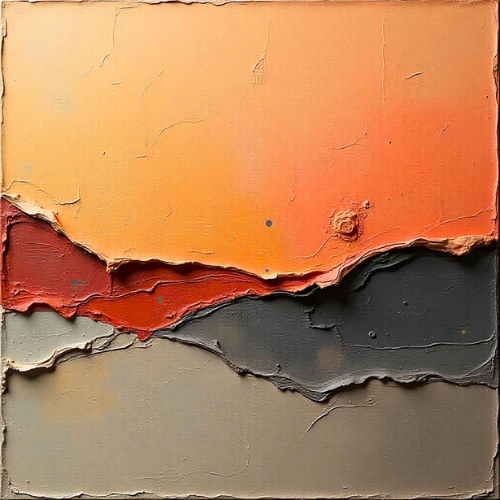
Actual texture is tangible. It is built through thick paint, layered materials, collage elements, or carved surfaces. You can often see it casting shadows or catching light differently depending on the angle. In gallery settings, these works tend to draw viewers closer, almost instinctively.
Visual texture, on the other hand, is implied. It is created through brushwork, mark-making, shading, or repetition. Although the surface remains smooth, the illusion convinces the eye that texture is present. Many artists use this approach to maintain control while still adding richness and depth.
Understanding this distinction is essential when learning how to use textures to enhance artwork effectively. Both forms serve different purposes, and knowing when to apply each one is part of artistic maturity.
Why Texture Enhances Artwork Emotionally and Visually
Texture speaks directly to human perception. Long before viewers consciously analyze a piece, texture communicates mood, energy, and emotion. Rough, uneven surfaces often feel raw or expressive, while smooth, controlled textures can feel calm, refined, or deliberate.
Visually, texture creates contrast. It breaks up large areas, guides the eye, and prevents compositions from feeling stagnant. Even subtle texture can add rhythm to a piece, especially when repeated or layered thoughtfully.
Emotionally, texture adds authenticity. It reveals the artist’s hand. Brushstrokes, imperfections, and layered decisions tell a story of process and intention. In my experience, collectors are often drawn to textured works because they feel honest and tactile, even when viewed from a distance.
This emotional connection is a major reason why artists who master texture tend to develop a stronger, more recognizable visual voice.
How to Use Textures to Enhance Artwork Intentionally
Using texture successfully is less about adding more and more material, and more about making intentional choices. Texture should support the concept, not overwhelm it.
I always advise artists to start with purpose. Ask what role texture plays in the artwork. Is it meant to emphasize movement, create tension, soften a form, or add visual weight to a specific area? Once that purpose is clear, the texture naturally becomes more controlled and meaningful.
Another key principle is restraint. Too much texture across an entire surface can flatten its impact. Strategic placement allows textured areas to stand out, creating focal points and visual balance. Negative space and smoother areas are just as important as textured ones.
When learning how to use textures to enhance artwork, intentionality is what transforms texture from decoration into a powerful compositional tool.
Common Types of Texture Used in Fine Art
Fine art commonly explores two main categories of texture: physical and visual. Each offers unique opportunities for expression and depth.
Physical texture is created by building material directly onto the surface. This includes thick paint application, embedded materials, fabric, paper, sand, or sculptural elements. These textures interact with light and shadow, adding dimensionality that changes as the viewer moves.
Visual texture relies on illusion. Through brushwork, line variation, tonal contrast, and repetition, artists can suggest roughness, softness, or complexity without altering the surface. This approach is often used in drawing, watercolor, and digital art.
Both types are equally valid. In gallery practice, I often see artists combine them, using subtle physical texture alongside visual cues to create layered, sophisticated results.
Materials Artists Use to Create Texture
The materials chosen play a crucial role in how texture behaves and communicates. Traditional paints like acrylic and oil are popular because they allow for both smooth blending and heavy buildup.
Palette knives, stiff brushes, sponges, and even hands can be used to manipulate paint and create varied surfaces. Each tool leaves a distinct mark, contributing to the character of the artwork.
Beyond paint, many artists explore unconventional materials. Paper, fabric, found objects, modeling paste, and natural elements can all be integrated thoughtfully. When used with intention, these materials elevate the work rather than distract from it.
Selecting materials should always align with the concept. Texture is most effective when it feels inevitable, not accidental.
Techniques for Adding Texture to Paintings
There are countless techniques for adding texture, but mastery comes from understanding a few core approaches deeply rather than experimenting randomly.
Layering is one of the most effective techniques. Building paint gradually allows texture to emerge organically while maintaining control. Each layer adds depth and history to the surface.
Impasto techniques involve applying paint thickly so brushstrokes or knife marks remain visible. This method adds energy and physical presence, especially when used selectively.
Scraping, scratching, and lifting paint can also create compelling textures. These techniques reveal underlying layers, introducing contrast and visual tension that draws the eye.
Learning how to use textures to enhance artwork through these techniques requires patience, experimentation, and reflection. Over time, artists develop an instinct for when texture adds value and when it should be pulled back.
Using Texture in Drawing and Illustration
Texture plays a subtle but essential role in drawing and illustration. Even without physical depth, artists can create powerful surface effects that suggest material, weight, and atmosphere.
Through line quality, pressure variation, and mark repetition, drawings can imply rough stone, soft fabric, or aged surfaces. Cross-hatching, stippling, and broken lines introduce visual texture that keeps drawings from feeling flat or mechanical.
In illustration, texture often supports storytelling. It helps define environments, distinguish characters, and set emotional tone. When used carefully, texture adds richness without overwhelming the clarity of the image.
Understanding how to use textures to enhance artwork in drawing is largely about control. The most compelling drawings balance textured passages with clean, open areas that allow the eye to rest.
How Texture Works in Digital Art
Digital art offers a unique relationship with texture. While the surface remains physically smooth, the illusion of texture can be incredibly convincing when applied with intention.
Brush presets, grain overlays, and custom patterns allow digital artists to mimic traditional media or invent entirely new surface qualities. When used subtly, these textures prevent digital work from appearing sterile or overly polished.
One common mistake in digital art is relying too heavily on texture overlays. When textures are applied uniformly, they lose impact. The strongest digital works treat texture as part of the composition, adjusting scale, opacity, and placement deliberately.
From a gallery perspective, digitally textured artworks that feel intentional and restrained tend to translate better into print and exhibition formats.
Balancing Texture with Color, Composition, and Light
Texture does not exist in isolation. It interacts constantly with color, composition, and light, and these relationships determine whether a piece feels harmonious or chaotic.
Heavily textured areas naturally draw attention. When paired with bold color or high contrast, they become powerful focal points. This can be effective, but only when planned carefully within the overall composition.
Light plays a crucial role in physical texture. Raised surfaces catch highlights and cast shadows, adding dimensionality that shifts depending on viewing angle. Artists who consider lighting early in the process achieve more dynamic results.
Learning how to use textures to enhance artwork means understanding when texture should lead and when it should support other visual elements.
Mistakes Artists Make When Using Texture
One of the most common mistakes is adding texture without purpose. Texture applied simply because it looks interesting often weakens the artwork rather than strengthening it.
Another issue is overuse. When everything is textured, nothing stands out. The viewer’s eye becomes overwhelmed, and the composition loses clarity.
Inconsistent texture can also be problematic. Switching techniques or materials without visual logic can make a piece feel disjointed. Cohesion is key, especially in gallery-presented work.
Recognizing these pitfalls is part of artistic growth. Texture is most effective when it feels intentional, controlled, and aligned with the artwork’s concept.
How Galleries and Collectors Perceive Textured Artwork
From a gallery standpoint, textured artwork carries strong presence. It photographs well when handled correctly and creates visual interest in exhibition spaces.
Collectors often respond emotionally to texture. It suggests effort, process, and individuality. Textured works feel more personal and tactile, even when viewed behind glass or from a distance.
However, durability matters. Excessively fragile or poorly secured textures can raise concerns during handling and transport. Professional presentation is just as important as creative expression.
Artists who understand how to use textures to enhance artwork while maintaining structural integrity tend to be taken more seriously in professional settings.
When Texture Strengthens a Piece and When It Distracts
Texture strengthens an artwork when it supports the message, enhances form, or adds emotional depth. It should feel like an integral part of the composition rather than an afterthought.
Texture distracts when it competes with the subject or confuses the viewer’s focus. If the eye doesn’t know where to rest, the texture may be overpowering the intent.
A useful approach is stepping back frequently during the process. Viewing the artwork from a distance reveals whether texture is guiding or disrupting the composition.
With experience, artists develop an intuitive sense of when texture is doing its job and when restraint is needed.
Practical Tips for Artists Experimenting with Texture
Start small. Experiment on studies or test surfaces before committing to a final piece. This builds confidence and reduces hesitation during the main work.
Document successful techniques. Artists who track what works develop a more consistent visual language over time.
Be patient with the process. Texture often reveals its full impact only after layers dry or materials settle. Rushing decisions can lead to unnecessary corrections.
Most importantly, stay intentional. Texture is a tool, not a shortcut. When used thoughtfully, it elevates artwork in ways that resonate deeply with viewers.
Conclusion on Using Texture Intentionally
Learning how to use textures to enhance artwork is a journey, not a formula. It requires observation, experimentation, and reflection.
The most compelling textured works feel honest. They reveal the artist’s process while maintaining clarity and control. Texture becomes part of the story rather than a surface effect.
From years of working with artists and exhibitions, one truth remains consistent: intentional texture creates memorable art. When applied with purpose and restraint, it transforms artwork from something seen into something felt.