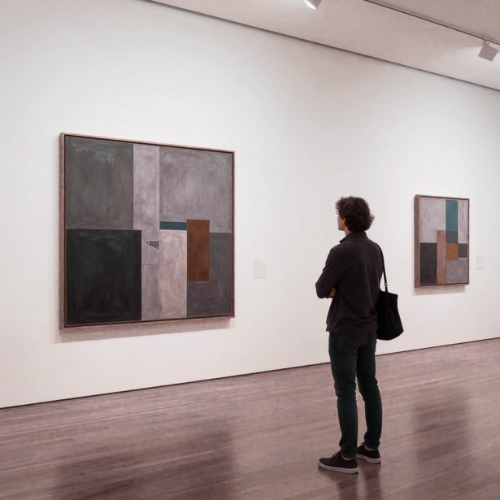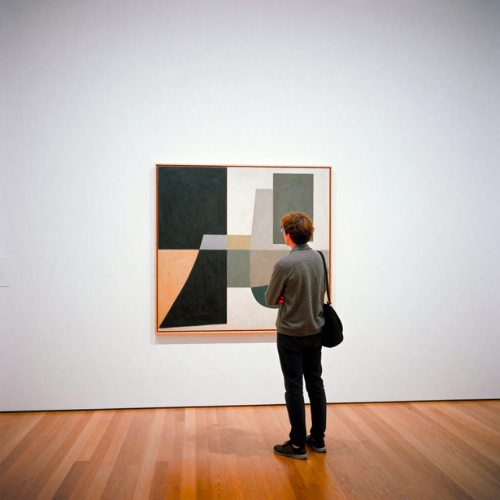

When people stand in front of a painting or installation and say, “I don’t get it,” what they are usually missing is not intelligence or education, but visual storytelling awareness. Over the years of working in galleries, curating exhibitions, and guiding visitors through artworks, I’ve learned that art becomes far more engaging once you understand how stories are told visually.
Visual storytelling in art is not about guessing what the artist was thinking. It is about learning how to observe, connect visual clues, and interpret meaning through images rather than words. Once you know how to read visual storytelling in art, even the quietest artwork begins to speak.
This skill transforms passive viewing into an active experience. Instead of simply liking or disliking a piece, you begin to understand why it feels powerful, unsettling, joyful, or mysterious. That depth of understanding is what turns casual viewers into confident art appreciators.
What Is Visual Storytelling in Art?
Visual storytelling in art refers to the way artists communicate ideas, emotions, and narratives through visual elements rather than written language. Unlike literature or film, art often tells its stories without a clear beginning, middle, or end. The story unfolds through observation.
In a gallery setting, visual storytelling can appear in a single image or across a series of works. A painting might capture a frozen moment loaded with emotional tension, while an installation might immerse the viewer in an unfolding experience. Both rely on visual cues rather than explicit explanations.
Visual storytelling does not always present a literal story. Sometimes the narrative is symbolic or emotional rather than chronological. For example, a portrait does not need an action scene to tell a story. The posture, lighting, and expression can communicate an entire life experience without a single word.
Why Artists Use Visual Storytelling
Artists use visual storytelling because it allows them to communicate beyond language barriers. In galleries, I regularly watch visitors from different cultures respond emotionally to the same artwork, even when they interpret it differently. That shared engagement is the power of visual narrative.
Storytelling also helps artists create deeper connections with viewers. A technically perfect artwork can still feel distant if it lacks narrative depth. When storytelling is present, the artwork invites the viewer to linger, reflect, and emotionally invest.
Another reason artists rely on visual storytelling is its openness. Unlike written stories, visual narratives allow room for interpretation. This flexibility encourages personal meaning, which is why the same artwork can feel different to someone at different stages of life.
How to Read Visual Storytelling in Art: A Step-by-Step Approach
Learning how to read visual storytelling in art starts with slowing down. Many people rush through galleries, absorbing images too quickly to notice narrative details. I always advise viewers to spend at least a few minutes with a single artwork before forming an opinion.
The first step is observation without interpretation. Look at what is physically present before assigning meaning. Notice figures, objects, colors, spatial relationships, and scale. Ask yourself what the artist chose to include and, just as importantly, what they left out.
Once you’ve observed the elements, begin connecting them. Consider how the visual components interact with each other. Does the placement of figures suggest tension? Does the environment feel safe, chaotic, or isolated? These relationships often reveal the core story.
A helpful approach includes:
-
Observing without judgment
-
Identifying key visual elements
-
Noticing emotional reactions
-
Connecting visual cues into a narrative idea
This method builds confidence and prevents the common mistake of jumping straight to overanalysis.
Understanding Narrative Through Composition
Composition is one of the strongest storytelling tools in art. It determines how your eye moves through the artwork and what information you receive first. Artists carefully design composition to guide attention and shape meaning.
In gallery practice, I often explain composition as the silent narrator of a visual story. For example, a central figure placed high on the canvas often signals importance or authority. A figure pushed to the edge may suggest isolation or vulnerability.
Movement within a composition also matters. Diagonal lines often create tension or action, while horizontal lines tend to feel calm and stable. Circular compositions can suggest continuity, cycles, or enclosure.
When reading visual storytelling through composition, pay attention to:
-
Where your eye naturally goes first
-
How visual elements lead you around the artwork
-
Whether the composition feels balanced or unstable
These choices are rarely accidental and often reveal the emotional tone of the story being told.
Reading Emotions and Meaning Through Color
Color plays a powerful role in visual storytelling, and it is one of the first things viewers respond to emotionally. Long before viewers identify symbols or narratives, color sets the mood.
In professional gallery settings, I often see viewers instinctively react to color palettes without realizing why. Warm colors like reds and oranges tend to convey energy, passion, or danger, while cool colors such as blues and greens often suggest calm, melancholy, or distance.
Color relationships are just as important as individual colors. High contrast can create drama or conflict, while muted palettes may suggest nostalgia, restraint, or introspection. Sudden bursts of color often highlight narrative focal points.
To better read storytelling through color, consider:
-
The dominant color tones
-
Emotional reactions the colors trigger
-
Whether colors feel harmonious or disruptive
These emotional cues often carry as much narrative weight as recognizable subjects.
Symbols, Motifs, and Visual Metaphors in Art
Symbols are one of the most direct ways artists embed storytelling into their work. A symbol can represent an idea, emotion, or theme far beyond its literal appearance. In galleries, symbolic elements often reward viewers who take time to look closely.
Motifs are repeated symbols or visual elements that reinforce a narrative theme. For example, recurring mirrors may suggest identity or self-reflection, while repeated doors or windows often imply transition or separation.
Visual metaphors function much like literary ones. A stormy sky may represent emotional turmoil, while a decaying object might symbolize loss or the passage of time. These metaphors allow artists to communicate complex ideas visually.
When interpreting symbols, context matters. Cultural background, historical period, and artistic movement all influence meaning. I always encourage viewers to remain open rather than searching for a single “correct” interpretation.
The Role of Context: History, Culture, and Artist Intent
Context is one of the most overlooked aspects when learning how to read visual storytelling in art. While visual cues can communicate powerful narratives on their own, understanding the surrounding circumstances often deepens interpretation significantly.
Historical context matters because artists respond to the world around them. Political tension, social movements, technological change, and personal experiences frequently shape visual narratives. An artwork created during a period of conflict may carry underlying themes of fear, resistance, or resilience that are not immediately visible without context.
Cultural background also influences symbolism. Colors, gestures, and objects can carry vastly different meanings across cultures. In gallery work, I often see misinterpretations that stem not from lack of attention, but from unfamiliar cultural references. Learning a bit about the artist’s background helps clarify visual metaphors without limiting personal interpretation.
Artist intent adds another layer, but it should guide rather than dictate meaning. Artist statements, interviews, and exhibition notes can offer insight into why certain visual choices were made. However, strong visual storytelling allows space for the viewer’s own narrative connection, which is part of what makes art enduring.
How Visual Storytelling Changes Across Art Styles
Visual storytelling does not look the same across all art styles. Each movement approaches narrative in its own way, using different tools and priorities to communicate meaning.
In realism, storytelling often appears more direct. The subject matter, environment, and actions provide clear narrative clues. A realistic painting of a domestic scene may tell a story about class, routine, or emotional relationships without relying heavily on symbolism.
Abstract art tells stories differently. Rather than depicting recognizable scenes, abstract artists use color, form, and rhythm to express emotional or conceptual narratives. In galleries, I often remind visitors that abstraction does not remove storytelling; it simply shifts it inward.
Contemporary art frequently blends styles and media. Installations, video art, and mixed media works may immerse viewers in a narrative experience rather than presenting a single image. These works often require physical movement and time, making the viewer an active participant in the story.
Understanding how storytelling adapts across styles helps viewers approach each artwork with the right expectations and tools.
Common Mistakes Viewers Make When Interpreting Visual Stories
One of the most common mistakes I see in galleries is the belief that there is only one correct interpretation. This mindset often intimidates viewers and prevents genuine engagement. Visual storytelling thrives on multiple perspectives.
Another frequent mistake is focusing only on technical skill. While technique is important, storytelling often lies in subtle choices rather than precision. An imperfect line or distorted figure may be intentional and narratively significant.
Over-reliance on wall labels can also limit interpretation. While exhibition text provides helpful context, reading before observing can influence perception too quickly. I usually recommend viewing first, reading later.
Other common pitfalls include:
-
Rushing through artworks
-
Ignoring emotional responses
-
Overanalyzing without observation
Avoiding these habits allows visual stories to unfold naturally.
How to Train Your Eye to Read Art Like a Gallery Professional
Developing the ability to read visual storytelling in art is a skill that improves with practice. The more artworks you engage with, the more patterns you begin to recognize.
One effective method is revisiting artworks. Seeing the same piece multiple times often reveals new details and interpretations. In professional settings, even curators continue discovering new layers in familiar works.
Keeping a visual journal can also sharpen observation. Writing brief reflections about artworks you encounter helps organize thoughts and track evolving interpretations. The goal is not academic analysis, but thoughtful engagement.
Another powerful practice is comparison. Viewing multiple artworks side by side highlights stylistic choices and narrative differences. Over time, this builds a more intuitive understanding of visual language.
Applying Visual Storytelling Skills in Galleries and Museums
Once you understand how to read visual storytelling in art, gallery visits become richer and more rewarding. Instead of feeling overwhelmed, you begin to approach exhibitions with curiosity and confidence.
Start by selecting a few artworks rather than trying to see everything. Spending meaningful time with a small number of pieces often provides more insight than rushing through an entire exhibition.
Engage physically with the space. Notice how lighting, placement, and room layout influence the story. Curatorial decisions are part of the narrative experience, shaping how artworks communicate.
These skills also make conversations about art more enjoyable. Rather than focusing on whether you “like” a piece, you can discuss what it communicates and why it resonates.
Why Visual Storytelling Makes Art More Memorable
Art that tells a strong visual story tends to stay with viewers long after they leave the gallery. Narrative creates emotional hooks that anchor memory.
When viewers connect a visual experience to personal emotions or experiences, the artwork becomes meaningful rather than decorative. This emotional resonance is why certain images linger in the mind for years.
From a gallery perspective, storytelling also enhances accessibility. Visitors who may feel uncertain about art often find confidence once they realize storytelling is something they already understand intuitively.
Final Thoughts: Developing a Personal Connection With Art
Learning how to read visual storytelling in art is not about mastering theory or memorizing symbols. It is about developing awareness, curiosity, and trust in your own observations.
As someone who works closely with art every day, I can say that the most rewarding moments come when viewers discover their own connections to a piece. Visual storytelling invites dialogue, not authority.
The more you practice looking, the more art begins to speak. And once you learn how to listen, every gallery visit becomes a personal and meaningful experience.