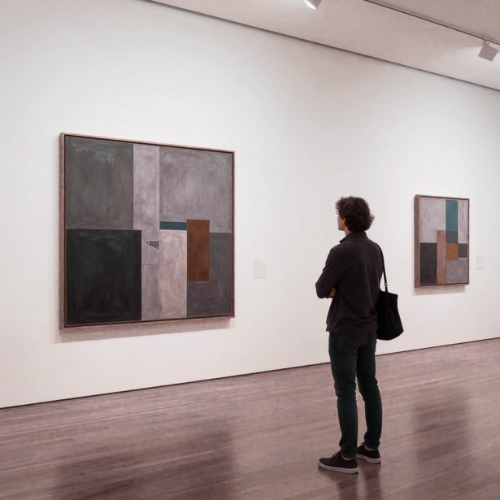
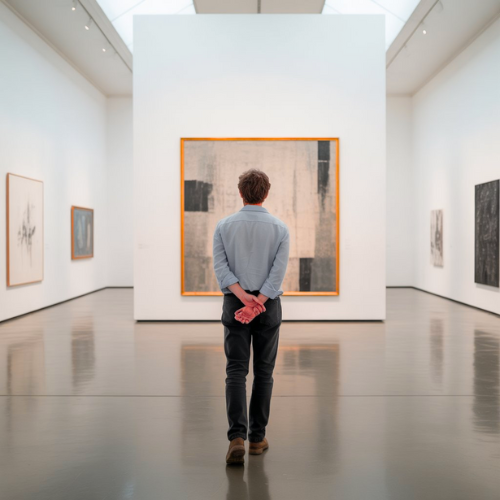
Many people walk into a contemporary art gallery already convinced they are about to “get it wrong.” I see this hesitation all the time—visitors slowing their steps, lowering their voices, and scanning the room as if there is a secret code everyone else understands. Contemporary art has a reputation for being confusing, exclusive, or overly intellectual, and that reputation alone stops people from fully engaging with it.
What I have learned from years of working in galleries is that contemporary art is not meant to test intelligence or art history knowledge. It is meant to spark curiosity, emotion, and dialogue. Feeling uncertain is not a weakness; it is actually the most honest place to begin. The gallery is not an exam hall. It is a space for exploration.
Understanding how to explore a contemporary art gallery begins with letting go of the idea that you must immediately understand everything you see. Confusion, curiosity, and even discomfort are often part of the experience—and in many cases, they are intentional.
What a Contemporary Art Gallery Really Is
A contemporary art gallery is not simply a room filled with modern-looking objects. It is a space dedicated to living artists or artists whose ideas still speak directly to the present moment. The work shown often reflects current social issues, personal narratives, political realities, or experimental approaches to materials and form.
Unlike historical museums, contemporary galleries tend to change exhibitions frequently. This means each visit offers a new experience, a new conversation, and a new way of seeing. One week you might encounter large-scale installations, and the next you might see intimate drawings or video works.
When learning how to explore a contemporary art gallery, it helps to remember that these spaces are intentionally fluid. They are not designed to give you a single message. Instead, they invite interpretation, reflection, and sometimes disagreement—and that openness is their strength.
How Contemporary Art Galleries Differ from Traditional Museums
One of the biggest mistakes first-time visitors make is approaching a contemporary art gallery the same way they would approach a traditional museum. Museums often guide visitors chronologically or historically. Contemporary galleries rarely do.
In a gallery, the layout is often conceptual rather than linear. Works may not be arranged by medium, date, or even theme in obvious ways. This can feel disorienting at first, but it encourages visitors to slow down and respond intuitively rather than analytically.
Another key difference lies in the atmosphere. Contemporary art galleries are usually quieter, smaller, and more minimal in design. This is intentional. The empty space allows the artwork to breathe and gives visitors room to reflect. Understanding this environment helps you relax into the experience rather than rushing through it.
Preparing Before You Visit a Contemporary Art Gallery
Exploring a contemporary art gallery begins before you step through the door. A small amount of preparation can dramatically improve your experience, especially if you are new to contemporary art.
I always recommend checking the gallery’s website beforehand. Look at the current exhibition title, the artist’s name, and a brief description if available. You do not need to research deeply, but having a general sense of what you are about to see can reduce anxiety and sharpen your attention once inside.
It also helps to plan your visit with realistic expectations. You do not need to see everything in one go, and you do not need to love every piece. Going in with the goal of engagement rather than understanding sets the right tone for the visit.
Setting the Right Mindset Before You Walk In
Mindset is everything when learning how to explore a contemporary art gallery. The most meaningful visits happen when people allow themselves to be present rather than performative. You are not there to impress anyone—not the artist, not the gallery staff, and not other visitors.
I often tell visitors to approach contemporary art the way they would approach a conversation with someone new. You listen first. You observe body language. You notice what resonates and what doesn’t. Over time, meaning begins to form naturally.
Let yourself be patient. Some artworks reveal themselves slowly. Others hit immediately. Both reactions are valid. The goal is not certainty, but awareness.
How to Navigate a Contemporary Art Gallery Without Feeling Lost
When you enter a contemporary art gallery, resist the urge to rush. Many people unconsciously speed up because they feel unsure. Slowing down is the first step toward confidence.
I suggest starting with a full walk-through of the space without stopping too long at any one piece. This initial scan helps you understand the layout and notice which works pull your attention instinctively. Those are often the pieces worth returning to.
Navigation does not have to follow a prescribed path. Contemporary galleries are designed for flexible movement. Allow yourself to wander, double back, and revisit works. Exploration is rarely linear, and that freedom is part of the experience.
How to Observe Contemporary Art Beyond “I Like It” or “I Don’t”
One of the most limiting habits I see is visitors reducing their reaction to a simple like or dislike. While these reactions are natural, they often stop deeper engagement from happening.
Instead, I encourage asking quieter, more open-ended questions. What materials is the artist using, and why might they have chosen them? How does the scale of the work affect your body in the space? What emotion surfaces first, even if it is discomfort or confusion?
Learning how to explore a contemporary art gallery means giving yourself permission to sit with ambiguity. Art does not need to be immediately pleasing to be meaningful. Sometimes the most powerful works are the ones that challenge you the most.
Understanding Labels, Wall Texts, and Artist Statements
Wall labels and artist statements are tools, not answers. They are there to provide context, not dictate interpretation. Many visitors either ignore them entirely or rely on them too heavily.
I recommend looking at the artwork first, without reading anything. Spend time noticing details, materials, and your own reactions. Only then should you turn to the text. This allows the information to enrich your experience rather than replace it.
Artist statements often reflect intention, but intention is not the same as outcome. Your experience as a viewer matters. Understanding how to explore a contemporary art gallery includes trusting your own perspective alongside the artist’s words.
How to Interpret Contemporary Art Without Overthinking It
Overthinking is one of the biggest barriers to enjoying contemporary art. People assume there is a hidden meaning they must uncover, and when they cannot find it, frustration sets in.
In reality, interpretation does not have to be complex. Sometimes the work is about material, gesture, or presence rather than symbolism. Sometimes it is meant to evoke a feeling rather than communicate a message.
If you find yourself stuck, focus on what is physically in front of you. Color, texture, scale, sound, and space are all valid entry points. Interpretation grows from observation, not pressure.
The Role of Space, Lighting, and Layout in Contemporary Art Galleries
One of the most overlooked aspects of contemporary art galleries is the space itself. Galleries are not neutral containers. Every wall, corner, and lighting choice influences how the artwork is experienced.
I have seen the same artwork feel completely different when shown in another room or under different lighting. Bright, open spaces can make works feel confrontational or expansive, while dim or enclosed spaces encourage introspection. Paying attention to how your body moves through the gallery helps you understand what the artist and curator are trying to emphasize.
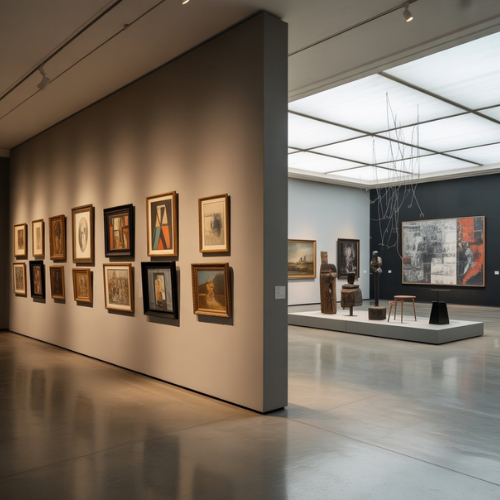
When exploring a contemporary art gallery, notice where works are placed. Is a piece isolated on a wall, or surrounded by others? Is there empty space around it, or does it feel compressed? These decisions are rarely accidental, and they often shape how meaning unfolds.
How to Engage Emotionally with Contemporary Art
Emotional engagement is not something you force; it is something you allow. Contemporary art often works on an emotional level before it makes sense intellectually.
Some works may stir memories, discomfort, or even resistance. Rather than dismissing those reactions, I encourage acknowledging them. Emotional responses are valuable forms of interpretation. They reveal how the work intersects with your personal experiences.
Learning how to explore a contemporary art gallery means trusting emotion as much as logic. You do not need to justify how a work makes you feel. Your response is part of the artwork’s life in the world.
Asking the Right Questions While Viewing Contemporary Art
The questions you ask determine the depth of your experience. Instead of asking, “What does this mean?” try asking, “What is happening here?” or “What is this work asking of me?”
I often suggest focusing on process-based questions. How might this have been made? What choices did the artist have to make? What risks might they have taken? These questions shift attention from outcome to intention and labor.
Good questions do not demand answers. They open space for reflection. Over time, asking better questions becomes second nature, and gallery visits feel more rewarding and less intimidating.
Common Mistakes People Make When Exploring Contemporary Art Galleries
One of the most common mistakes is rushing. Many visitors feel pressure to see everything quickly, especially in smaller galleries. This often leads to shallow engagement and visual fatigue.
Another mistake is seeking validation. People worry about whether their interpretations are “correct.” In contemporary art, there is rarely a single correct reading. Confidence grows when you accept that your experience is legitimate, even if it differs from others.
Finally, many visitors underestimate the value of silence. Constantly reading, photographing, or discussing can interrupt the experience. Sometimes the most powerful moments happen when you simply stand still and observe.
How Long You Should Spend in a Contemporary Art Gallery
There is no universal rule for how long a gallery visit should last. I have had meaningful visits that lasted twenty minutes and others that lasted two hours.
What matters is not duration, but attention. Spending ten focused minutes with one artwork can be more valuable than glancing at fifty pieces in an hour. Quality always outweighs quantity.
When learning how to explore a contemporary art gallery, give yourself permission to leave when your attention fades. A shorter, intentional visit often leaves a stronger impression than a long, unfocused one.
Interacting with Gallery Staff and Docents
Gallery staff are often underutilized resources. Many visitors assume they should not ask questions, but in reality, staff members are there to support engagement.
From my experience, thoughtful questions are always welcome. Asking about the artist, the exhibition concept, or even the gallery’s programming can deepen your understanding of the space and its mission.
There is no expectation that you must sound knowledgeable. Curiosity is enough. Respectful conversation can turn a quiet visit into a memorable learning experience.
Photography, Etiquette, and Unwritten Gallery Rules
Etiquette in contemporary art galleries is generally simple, but it matters. Not all galleries allow photography, and even when they do, discretion is important.
Avoid blocking artworks or other visitors while taking photos. Keep conversations at a reasonable volume, and be mindful of personal space. These small considerations help maintain the reflective atmosphere galleries aim to create.
Understanding how to explore a contemporary art gallery includes respecting the shared nature of the space. Your experience is part of a collective environment.
Exploring Contemporary Art Galleries as a Beginner
Beginners often assume they need a foundation in art history to enjoy contemporary art. This is not true. Contemporary art speaks to the present, and your lived experience is more relevant than academic knowledge.
Start with what you know. Notice what draws your attention and what pushes you away. Over time, patterns will emerge in your preferences and curiosities.
Every experienced art viewer was once a beginner. Confidence develops through exposure, not expertise.
How Artists Want You to Experience Their Work
Artists rarely expect instant understanding. Most are more interested in how viewers engage than whether they interpret the work “correctly.”
Many contemporary artists create work that changes meaning depending on who is viewing it and where it is shown. This openness is intentional. It allows the work to remain alive rather than fixed.
When exploring a contemporary art gallery, remember that your presence completes the artwork. Without viewers, the work remains unfinished.
What to Do When You Don’t Understand an Artwork
Not understanding an artwork does not mean you have failed. In fact, confusion is often an entry point rather than a dead end.
When something does not make sense, slow down. Look again. Ask what you expected to see versus what is actually there. This gap often reveals the artist’s intention.
If clarity does not come, that is fine. Some works are meant to remain unresolved. Accepting that uncertainty is part of learning how to explore a contemporary art gallery.
Exploring Different Mediums in Contemporary Art Galleries
Contemporary art is not limited to painting and sculpture. You may encounter video, sound, performance, text, or digital installations.
Each medium requires a slightly different kind of attention. Video works may need time. Sound pieces may require stillness. Installations often involve your physical movement through space.
Being open to different mediums expands how you experience art and challenges habitual ways of looking.
How to Develop Your Personal Taste Through Gallery Visits
Taste is not something you are born with. It develops through repeated exposure and reflection.
I always recommend revisiting galleries regularly, even when exhibitions do not immediately appeal to you. Over time, you begin to recognize what resonates and why.
Writing down thoughts after visits can also help. Reflection turns experience into understanding and helps refine your perspective.
Taking Notes, Reflecting, and Remembering What You Saw
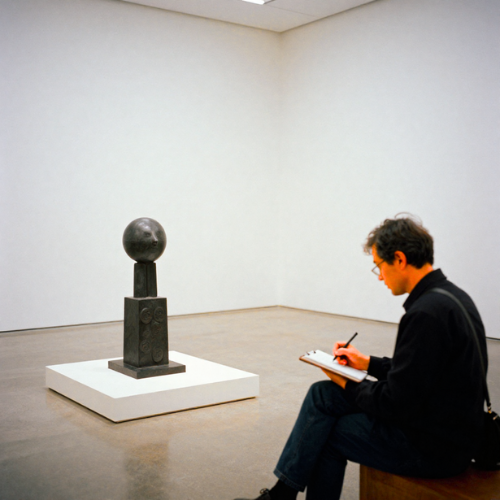
Memory fades quickly after gallery visits, especially when multiple works compete for attention. Taking mental or written notes helps anchor the experience.
You do not need detailed descriptions. Simple impressions, emotions, or questions are enough. These reflections often grow more meaningful over time.
Exploring a contemporary art gallery does not end when you leave. Reflection extends the experience beyond the physical space.
Visiting Contemporary Art Galleries Alone vs With Others
Both solo and shared visits offer unique benefits. Visiting alone allows for deep focus and personal pacing. Visiting with others introduces dialogue and alternative perspectives.
I recommend trying both. Some works demand solitude, while others thrive on conversation.
There is no right way to visit a gallery. Flexibility enriches the experience.
How Often to Visit Contemporary Art Galleries
Consistency matters more than frequency. Visiting a gallery once a month can be more impactful than visiting several in a single day.
Regular exposure builds familiarity and confidence. Over time, contemporary art begins to feel less foreign and more conversational.
Learning how to explore a contemporary art gallery is an ongoing process, not a one-time achievement.
Turning a Gallery Visit Into a Meaningful Experience
A meaningful gallery visit is not defined by how much you understand, but by how present you are. Attention, curiosity, and openness are the most important tools you bring with you.
Contemporary art rewards those who engage patiently and honestly. The more you allow yourself to experience rather than evaluate, the richer the visit becomes.
Each gallery visit is a conversation. Sometimes it is quiet. Sometimes it is challenging. But it is always worth having.
Final Thoughts on Exploring a Contemporary Art Gallery
Exploring a contemporary art gallery is less about knowledge and more about awareness. You do not need permission to engage, interpret, or feel.
From years of working within gallery spaces, I can say this with confidence: the most meaningful visitors are not the most informed, but the most attentive.
When you approach contemporary art with curiosity and patience, the gallery transforms from an intimidating space into a place of discovery.