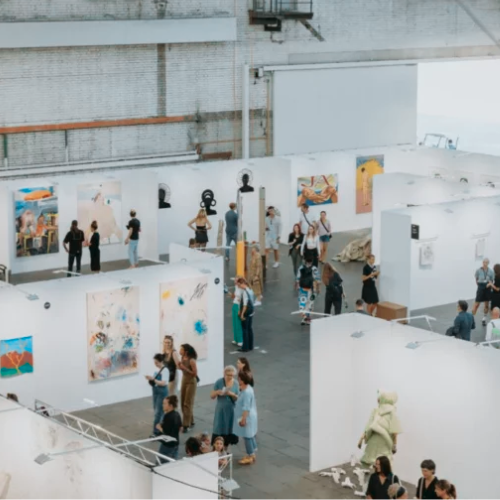
Berlin is often associated with major institutions and landmark museums, but the city’s true artistic pulse lives elsewhere. I’ve spent years exploring Berlin’s gallery ecosystem, and what continues to fascinate me is how much of its most compelling art exists quietly, away from mainstream attention.
These hidden art gems don’t announce themselves with grand façades or international marketing campaigns. Instead, they are tucked into courtyards, former industrial buildings, and residential streets. Finding them requires curiosity and a willingness to wander, but the reward is an encounter with art that feels raw, immediate, and deeply connected to the city.
For readers searching for hidden art gems in Berlin, this is where the city becomes personal. These spaces reveal Berlin not as a polished art capital, but as a living laboratory for artistic experimentation.
What Defines a Hidden Art Gem in Berlin
A hidden art gem in Berlin is not defined by size or prestige. In my experience, it’s defined by intention. These spaces often prioritize artistic freedom over commercial success, allowing artists to take risks that wouldn’t be possible in more established institutions.
Many hidden gems operate outside the traditional gallery model. Some are artist-run project spaces, others are hybrid studios, exhibition venues, and community hubs. What they share is a commitment to ideas rather than trends.
Another defining quality is impermanence. Berlin’s art scene is fluid, and many hidden spaces change locations, names, or formats over time. This constant evolution is part of what makes discovering them so rewarding.
How These Hidden Art Spaces Were Selected
The spaces included in this guide are chosen based on credibility, originality, and consistency rather than popularity. I focused on venues that contribute meaningfully to Berlin’s contemporary art dialogue, even if they remain under the radar.
Visitor experience played an important role as well. Hidden art gems should feel welcoming rather than exclusive. The best ones invite conversation, encourage questions, and allow visitors to engage directly with the work.
I also considered longevity. While many spaces are temporary by nature, the most impactful ones leave a lasting impression, either through strong curatorial vision or through the artists they support.
Artist-Run Spaces and Project Rooms in Berlin
Artist-run spaces are the backbone of Berlin’s hidden art scene. These are places where artists take control of exhibition-making, free from commercial pressures and institutional constraints.
In these environments, exhibitions often feel experimental and intimate. I’ve encountered installations that exist only for a few days, performances announced by word of mouth, and exhibitions that blur the line between studio and gallery.
What makes artist-run spaces especially valuable is their honesty. They offer insight into how artists think, work, and respond to the city around them. For visitors interested in understanding contemporary art from the inside, these spaces are essential.
Underrated Contemporary Art Galleries in Berlin
Not all hidden gems are non-commercial. Berlin is home to many contemporary galleries that operate quietly yet maintain high curatorial standards. These galleries often represent emerging or mid-career artists who haven’t yet entered the international spotlight.
I find these spaces particularly rewarding because they balance professionalism with experimentation. Exhibitions are thoughtfully curated, yet they retain a sense of discovery that larger galleries sometimes lack.
Visiting underrated galleries also offers a glimpse into Berlin’s role as a launchpad for artistic careers. Many artists who later gain international recognition begin their journeys in these smaller, less visible spaces.
Independent Museums and Private Collections Worth Visiting
Berlin’s hidden art landscape also includes independent museums and private collections that rarely appear on typical tourist itineraries. These venues often focus on specific themes, movements, or personal visions rather than encyclopedic coverage.
What sets these spaces apart is their narrative focus. Instead of overwhelming visitors with quantity, they tell stories. I’ve found that this approach resonates strongly with viewers who want depth rather than breadth.
Independent museums often operate with limited resources, but that constraint encourages creativity. Exhibitions feel carefully considered, and visitors often leave with a stronger emotional connection to the art.
Hidden Art Spaces in Kreuzberg
Kreuzberg has long been associated with counterculture and creative resistance. Its art spaces reflect this history, often occupying former factories, basements, and shared courtyards.
The galleries here tend to embrace politically engaged and socially conscious art. I’ve encountered exhibitions that address migration, identity, and urban change with striking directness.
Kreuzberg’s hidden art gems reward slow exploration. Many are easy to miss, but taking time to walk the neighborhood often leads to unexpected discoveries that feel deeply rooted in place.
Hidden Art Spaces in Neukölln
Neukölln’s art scene is younger and more experimental, shaped by affordability and diversity. This neighborhood has become a testing ground for new artistic ideas and unconventional exhibition formats.
Here, galleries often double as studios, event spaces, or community centers. The boundaries between artist, curator, and audience are deliberately blurred, creating a participatory atmosphere.
I find Neukölln particularly exciting because nothing feels fixed. Spaces appear, disappear, and reemerge in new forms, reflecting Berlin’s constant state of reinvention.
Hidden Art Spaces in Mitte
Mitte may appear polished on the surface, but it still holds a number of quietly influential art spaces. Beneath the neighborhood’s established reputation lies a network of galleries that operate with subtlety rather than spectacle.
Many of these spaces are located in inner courtyards or converted apartments, easy to pass without noticing. Once inside, exhibitions often reveal a strong conceptual focus, combining contemporary practice with intellectual depth.
What makes Mitte’s hidden art gems particularly compelling is their balance. They bridge Berlin’s underground energy with professional curatorial standards, offering a refined yet exploratory experience.
Alternative Exhibition Spaces and Pop-Up Galleries
Berlin thrives on flexibility, and alternative exhibition spaces are a prime example of this. Pop-up galleries, temporary installations, and one-off exhibitions are common, often appearing in vacant shops, industrial sites, or private apartments.
These spaces allow artists and curators to respond quickly to current events or creative impulses. I’ve attended exhibitions announced only days in advance, existing briefly before disappearing without a trace.
For visitors, this impermanence adds excitement. Experiencing a pop-up exhibition in Berlin often feels like witnessing a moment rather than visiting a destination.
Why Berlin Is a Haven for Experimental and Emerging Artists
Berlin’s appeal to experimental artists goes beyond affordability. The city offers creative freedom that few other art capitals can match. Artists are encouraged to fail, adapt, and reinvent without immediate commercial pressure.
This openness is reflected in the city’s hidden art spaces. Many prioritize process over polish, allowing unfinished ideas and evolving concepts to take center stage.
From a gallery perspective, Berlin functions as a testing ground. What begins as an experiment in a small project space can later influence larger institutional exhibitions across Europe.
Tips for Finding Hidden Art Gems in Berlin
Discovering Berlin’s lesser-known art spaces requires a different mindset than visiting major museums. I always recommend approaching the city with flexibility and curiosity.
Word of mouth plays a major role. Conversations with artists, gallery staff, and even café owners often lead to unexpected discoveries. Many hidden spaces rely on community networks rather than formal promotion.
A few practical strategies can help:
-
Explore neighborhoods on foot rather than following strict itineraries
-
Check local exhibition listings and social media accounts
-
Visit openings, which often reveal new spaces
Best Time to Explore Berlin’s Lesser-Known Art Spaces
The most rewarding time to explore Berlin’s hidden art gems is during spring and early autumn. These seasons bring a high volume of exhibitions and open studio events without peak tourist crowds.
September is particularly strong due to Berlin Art Week, when many smaller spaces present ambitious programming alongside major institutions.
Winter can be quieter but still worthwhile. Reduced activity allows for more intimate gallery visits and deeper conversations with artists and curators.
Conclusion:
Berlin’s hidden art gems reveal the city at its most authentic. These spaces reflect experimentation, independence, and a willingness to question established norms.
For anyone searching for hidden art gems in Berlin, the experience is less about ticking off locations and more about engagement. The city rewards those who look closely, ask questions, and remain open to surprise.
Ultimately, Berlin’s art scene is not defined by its landmarks but by its margins. And it’s in those margins that some of the most meaningful artistic encounters take place.