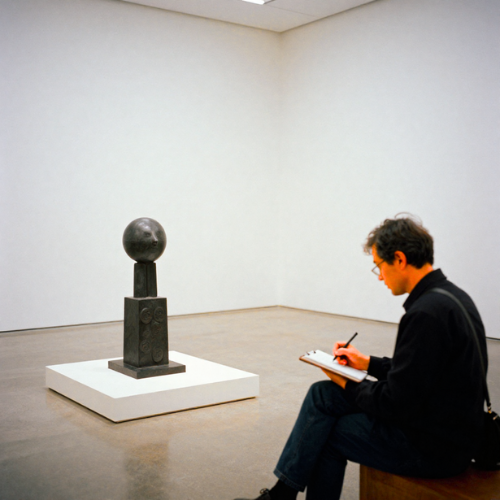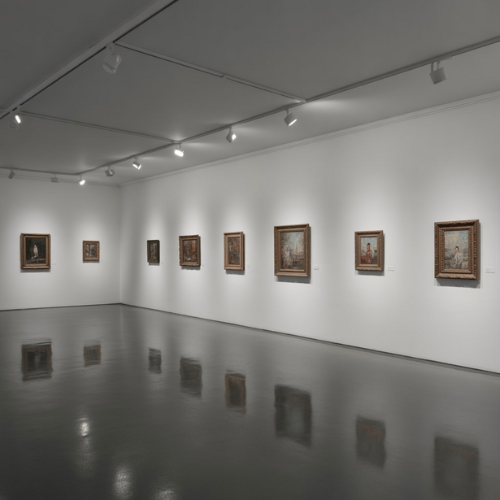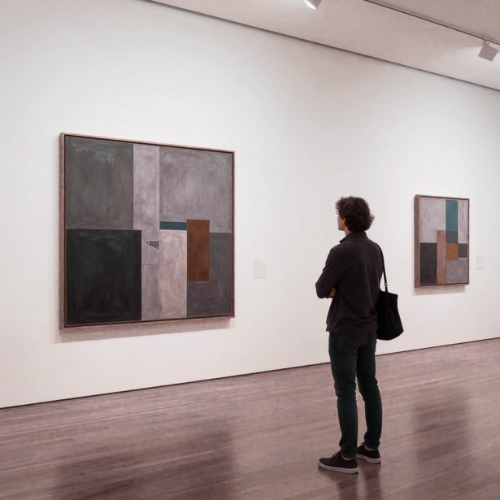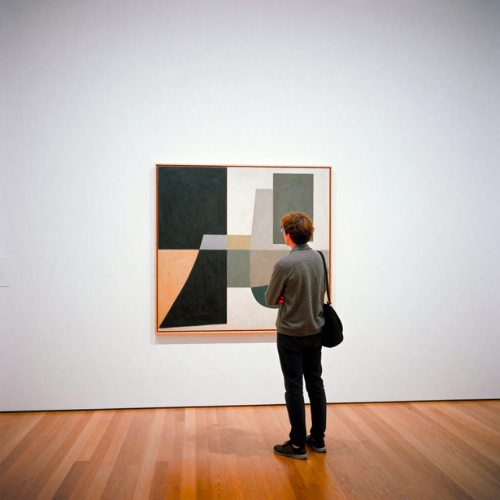
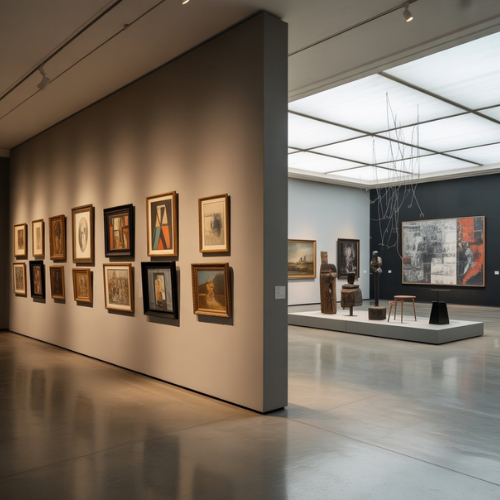
The difference between modern and contemporary galleries is one of the most misunderstood topics in the art world. Over the years, I’ve seen collectors, students, and even interior designers use these terms interchangeably, often without realizing they refer to entirely different artistic philosophies, time periods, and curatorial approaches.
This confusion is understandable. In everyday language, “modern” often means current or new. In art, however, the meaning is far more specific. Contemporary, on the other hand, is fluid and constantly evolving. Understanding how these distinctions play out in gallery spaces can dramatically change how art is viewed, appreciated, and collected.
This article is designed to clarify those differences in a practical, experience-based way. Rather than relying on academic definitions alone, I’ll explain how modern and contemporary galleries actually function, feel, and communicate through art.
Why Modern and Contemporary Art Galleries Are Commonly Confused
The primary reason people struggle to distinguish modern and contemporary galleries is language. Outside the art world, modern and contemporary are often treated as synonyms. Inside a gallery, they are anything but.
Another source of confusion comes from overlapping exhibitions. Many galleries showcase both modern and contemporary works in separate rooms or rotating shows. Without clear context, visitors may assume everything on display belongs to the same artistic category.
There is also the influence of popular media. Auction headlines, online marketplaces, and social platforms frequently misuse these terms for convenience or marketing appeal. Over time, this creates a blurred understanding that carries into gallery visits.
Clarifying this confusion begins with understanding what each term truly represents within art history and gallery practice.
What “Modern” Means in the Art Gallery Context
In art, modern does not mean recent. It refers to a specific historical period that roughly spans from the late 19th century to the mid-20th century.
Modern art emerged during a time of rapid industrialization, social change, and philosophical questioning. Artists were moving away from classical realism and academic traditions, experimenting with form, perspective, and abstraction.
When stepping into a modern art gallery, the works on display are typically tied to this defined era. The gallery is not presenting what is being created today, but rather showcasing movements that fundamentally changed the direction of art.
Modern galleries often feature works connected to movements such as:
-
Impressionism
-
Cubism
-
Surrealism
-
Abstract Expressionism
-
Fauvism
These galleries function as historical and intellectual spaces, preserving and contextualizing pivotal artistic breakthroughs.
What “Contemporary” Means in the Art Gallery Context
Contemporary art refers to art created in the present or very recent past. Unlike modern art, contemporary art has no fixed end date because it evolves alongside current cultural, political, and technological shifts.
In contemporary galleries, the focus is on artists who are actively working or whose careers are closely tied to the current generation. The art often responds directly to today’s world, addressing themes such as identity, globalization, climate change, digital culture, and social justice.
What defines contemporary galleries is not a single style, but a willingness to experiment. Traditional painting may exist alongside installations, video art, performance pieces, and digital works.
A contemporary gallery is less about preserving history and more about participating in an ongoing conversation.
Historical Origins of Modern Art Galleries
Modern art galleries emerged as a response to rigid academic institutions. Artists sought spaces that allowed experimentation and rejected classical constraints.
In the late 19th and early 20th centuries, independent galleries began showcasing artists who challenged traditional norms. These spaces became platforms for radical ideas and new visual languages.
Over time, modern galleries evolved into institutions that document artistic revolutions. Today, many modern galleries operate similarly to museums, with an emphasis on education, preservation, and historical significance.
The artworks displayed are often fixed within a recognized canon, making modern galleries feel structured and academically grounded.
Historical Development of Contemporary Art Galleries
Contemporary art galleries developed later, particularly in the post-war era, as artists began rejecting even the rules established by modernism.
These galleries grew alongside cultural shifts that emphasized individuality, experimentation, and conceptual thinking. Unlike modern galleries, contemporary spaces were designed to adapt quickly to new ideas and emerging artists.
Many contemporary galleries operate within the commercial art market, representing living artists and introducing new voices to collectors and institutions.
Their history is less about preserving the past and more about responding to the present moment.
Philosophical Differences Between Modern and Contemporary Galleries
At their core, modern and contemporary galleries are driven by different philosophies.
Modern galleries focus on progress through form. Artists sought to redefine what art could look like by breaking away from realism and tradition. The emphasis was often on technique, structure, and innovation within defined movements.
Contemporary galleries prioritize ideas over form. Concept often outweighs aesthetics. The artwork may challenge viewers intellectually, emotionally, or socially rather than visually.
This philosophical shift changes how galleries curate exhibitions. Modern galleries present art as milestones in history. Contemporary galleries present art as active dialogue.
How Modern Art Galleries Curate and Present Artwork
Modern galleries typically curate exhibitions with a strong sense of order and chronology. Artworks are placed within historical frameworks that help viewers understand their significance.
Wall texts, timelines, and curatorial notes play an important role. These galleries aim to educate, offering context that situates each piece within a broader artistic movement.
The presentation style is often restrained. Neutral walls, consistent lighting, and minimal distractions ensure that the artwork remains the focal point.
The experience feels contemplative and structured, encouraging viewers to reflect on artistic evolution.
How Contemporary Art Galleries Curate and Present Artwork
Contemporary galleries approach curation with flexibility and experimentation. Exhibitions are often thematic rather than chronological.
Artworks may interact with the space itself. Installations can occupy entire rooms, and unconventional materials are common.
Curatorial texts in contemporary galleries tend to focus on ideas and interpretation rather than historical placement. Visitors are often invited to question, respond, and even participate.
This approach creates an immersive and sometimes provocative experience that reflects the evolving nature of contemporary art.
Differences in Artistic Styles Displayed in Modern and Contemporary Galleries
One of the clearest ways to understand the difference between modern and contemporary galleries is by observing the artistic styles on display. Modern galleries tend to present styles that are historically defined and formally recognizable.
In modern art spaces, viewers often encounter works that emphasize composition, brushwork, color theory, and structural experimentation. Even when the art appears abstract, it is usually grounded in a movement with identifiable principles.
Contemporary galleries, by contrast, resist stylistic categorization. A single exhibition may feature abstract painting, conceptual sculpture, digital projections, and performance documentation. The lack of a dominant style reflects the diversity of voices and perspectives shaping art today.
This stylistic openness can feel challenging for some viewers, but it is also what makes contemporary galleries dynamic and relevant.
Mediums and Materials Commonly Found in Each Type of Gallery
Medium choice reveals much about the philosophy behind each gallery type.
Modern galleries typically showcase traditional materials such as:
-
Oil and acrylic painting
-
Charcoal and ink drawing
-
Bronze or stone sculpture
-
Printmaking techniques
These mediums were revolutionary in their time, even if they feel familiar today.
Contemporary galleries push material boundaries. Artists often incorporate unconventional or ephemeral materials, including:
-
Video and sound installations
-
Found objects and recycled materials
-
Digital art and augmented reality
-
Text, light, and performance-based works
This expansion of materials reflects a shift from craftsmanship alone toward concept-driven creation.
The Role of Artists in Modern and Contemporary Gallery Spaces
In modern galleries, artists are often presented as historical figures. Their work is interpreted through curatorial narratives that emphasize influence, innovation, and legacy.
The artist’s voice is present through the artwork itself rather than direct participation. Viewers engage with the finished work as a document of artistic progress.
Contemporary galleries offer a different dynamic. Artists are frequently involved in exhibition design, installations, and public programming. Their voices are more direct, sometimes communicated through statements, interviews, or live events.
This active presence reinforces the idea that contemporary art is still evolving rather than complete.
Audience Experience in Modern Art Galleries
Modern art galleries tend to provide a contemplative viewing experience. The atmosphere is often quiet and structured, encouraging reflection and observation.
Visitors move through exhibitions at their own pace, guided by wall texts and historical context. The experience feels educational, almost archival.
For many viewers, modern galleries offer clarity. There is comfort in understanding that the art belongs to a defined period with established significance.
Audience Experience in Contemporary Art Galleries
Contemporary galleries often aim to provoke reaction rather than quiet contemplation. The experience can be immersive, emotional, or even uncomfortable.
Visitors may be invited to interact with the artwork or consider challenging social themes. There is often no single “correct” interpretation.
This open-ended experience reflects the complexity of the modern world and encourages personal engagement over passive observation.
Architectural and Interior Design Differences Between the Two
The physical design of a gallery plays a crucial role in shaping perception.
Modern galleries often feature traditional layouts. Clean lines, consistent lighting, and classic white walls support a formal presentation style.
Contemporary galleries favor adaptable spaces. Industrial interiors, movable walls, and unconventional lighting allow for large-scale installations and experimental displays.
These architectural differences reinforce the philosophical divide between preservation and experimentation.
Approaches to Innovation in Modern and Contemporary Galleries
Innovation in modern galleries is historical. The artworks represent moments when artists broke new ground within their time.
Innovation in contemporary galleries is ongoing. These spaces actively seek new methods of expression and often support emerging artists.
This difference affects how galleries program exhibitions and engage with audiences.
Cultural and Social Themes Explored in Each Gallery Type
Modern art often reflects the societal shifts of its era, such as industrialization, war, and changing perceptions of reality.
Contemporary art directly confronts present-day issues. Topics like identity, migration, technology, and environmental concerns are common.
This immediacy makes contemporary galleries feel connected to current global conversations.
Market Value and Collecting Differences
From a collecting standpoint, modern and contemporary galleries operate differently.
Modern art is often considered a stable investment. Artists’ reputations are established, and market value is relatively predictable.
Contemporary art carries greater risk and potential reward. Collectors may support emerging artists whose value is still developing.
Understanding this distinction helps collectors make informed decisions aligned with their goals.
How Museums and Private Galleries Define Modern and Contemporary
Museums often maintain strict classifications. Modern and contemporary departments are typically separate, each with its own curatorial focus.
Private galleries may blur these lines, but professional spaces still respect the fundamental differences.
This institutional clarity reinforces the importance of accurate terminology.
Common Misconceptions About Modern and Contemporary Galleries
One widespread misconception is that contemporary galleries represent better or more advanced art. In reality, they represent different artistic intentions.
Another misconception is that modern galleries are outdated. In truth, they preserve the foundations upon which contemporary art exists.
Understanding these nuances fosters deeper appreciation for both.
How to Identify Whether a Gallery Is Modern or Contemporary
There are several practical indicators:
-
Check the dates of the artworks
-
Observe the mediums used
-
Read the curatorial language
-
Notice the exhibition structure
These clues quickly reveal a gallery’s focus.
Choosing Between Modern and Contemporary Galleries as an Art Enthusiast
The choice between modern and contemporary galleries depends on personal taste.
Those who appreciate historical context and formal innovation may gravitate toward modern galleries.
Those drawn to experimentation and current social dialogue may prefer contemporary spaces.
Both offer valuable and enriching experiences.
Frequently Asked Questions About Modern and Contemporary Galleries
Many people ask whether contemporary art will eventually become modern. In time, it will, as classifications shift with history.
Another common question concerns mixing modern and contemporary art in collections. When curated thoughtfully, this combination can be powerful.
Final Thoughts on the Difference Between Modern and Contemporary Galleries
The difference between modern and contemporary galleries lies in time, philosophy, and intention.
Modern galleries preserve the breakthroughs that shaped art history. Contemporary galleries reflect the evolving voice of the present.
From years of working within gallery spaces, I can say with confidence that understanding this distinction deepens not only appreciation, but connection to art itself.