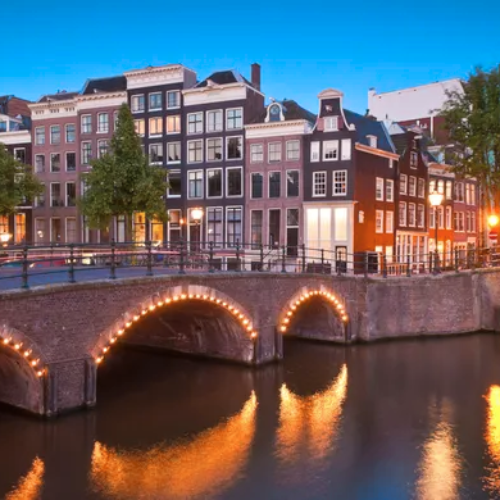
Amsterdam is a city that feels alive with creativity. From historic canals lined with 17th-century merchant houses to modern architectural marvels, the city’s cultural and artistic footprint is remarkable. Over the years, I have explored Amsterdam extensively, and what continually fascinates me is how seamlessly art integrates with the city’s daily life.
Whether you’re drawn to grand museums, contemporary galleries, or hidden creative spaces tucked into quiet streets, Amsterdam offers a layered experience for art lovers. It’s a city that allows you to move effortlessly from the works of the Dutch Golden Age to avant-garde installations without ever feeling disconnected. This article is designed to guide you through those experiences, offering insight into both the iconic and the understated corners of Amsterdam’s art world.
For those planning a visit, the goal is to see not just the famous paintings and sculptures, but to understand the city itself as a living canvas. In Amsterdam, the streets, architecture, and cultural landmarks all contribute to a holistic art experience.
Why Amsterdam Is a Must-Visit for Art Lovers
Amsterdam’s appeal to art lovers lies in its extraordinary density of artistic heritage and its progressive contemporary art scene. The city is both a repository of history and a vibrant hub for innovation, creating a unique environment where old and new coexist.
What I find most compelling is the accessibility of Amsterdam’s art. Major works, such as Rembrandt’s masterpieces at the Rijksmuseum or Van Gogh’s celebrated paintings, are displayed with context that helps visitors understand their historical and cultural significance. At the same time, small galleries and project spaces offer experimental and emerging works that keep the city current and dynamic.
For travelers interested in an enriching art-focused experience, Amsterdam is not just about ticking off a checklist of museums. It’s about engaging with a city that nurtures creativity at every scale, from grand palaces to intimate studio spaces. This blend makes it an ideal destination for both seasoned collectors and curious first-time visitors.
How These Cultural Landmarks and Galleries Were Selected
The cultural landmarks and galleries highlighted in this article were chosen based on a combination of historical importance, artistic value, and visitor experience. I prioritized spaces that offer depth, accessibility, and insight into Amsterdam’s creative identity.
I also focused on balance. The itinerary includes both globally recognized institutions and smaller, lesser-known venues. This approach allows readers to experience Amsterdam’s signature art while also discovering hidden gems that often go unnoticed. By combining these perspectives, the guide provides a comprehensive understanding of the city’s cultural ecosystem.
Finally, practicality played a role. Locations were selected with geographic proximity in mind, enabling visitors to explore efficiently while still taking the time to engage with the art deeply. This ensures a meaningful experience without feeling rushed.
Historic Art Landmarks in Amsterdam
Amsterdam’s historic art landmarks are more than just tourist attractions—they are windows into the city’s rich artistic past. Walking through the Jordaan district, for example, it’s impossible not to notice the elegant canal houses, many of which were commissioned by wealthy merchants who also supported artists. These buildings reflect the city’s artistic and economic history in every detail, from the ornate gables to the intricate facades.
I often recommend visiting the Begijnhof, a hidden courtyard that combines history, architecture, and artful landscaping. Spaces like these demonstrate how art was integrated into everyday life, far beyond the walls of formal museums. Even simple architectural elements tell stories about the city’s past, offering context for the works you’ll encounter inside galleries and museums.
Another key historic landmark is the Royal Palace on Dam Square. Beyond its stunning interiors, it houses a collection of art and decorative objects that reflect Amsterdam’s civic pride and the role of art in political and social life. These landmarks provide essential context for understanding the city’s broader art scene.
Iconic Museums and Their Signature Collections
No exploration of Amsterdam’s cultural landscape would be complete without its world-famous museums. The Rijksmuseum is perhaps the most comprehensive, showcasing masterpieces from the Dutch Golden Age alongside decorative arts and historical artifacts. Spending time here allows visitors to trace the evolution of Dutch artistic expression and understand its global impact.
The Van Gogh Museum offers a deeply personal view into one of the world’s most celebrated artists. I always encourage visitors to move beyond the iconic works and pay attention to the lesser-known sketches and letters, which reveal the depth of Van Gogh’s creative process. Experiencing these works in person provides insight into the intensity and innovation of his artistic journey.
The Stedelijk Museum represents Amsterdam’s dedication to modern and contemporary art. Its collection ranges from abstract expressionism to conceptual installations, offering a counterpoint to the city’s historical institutions. For anyone seeking a full spectrum of artistic practice, these museums are essential stops.
Contemporary Art Galleries to Explore
While Amsterdam’s historic and national collections are impressive, its contemporary galleries reveal the city’s present and future creative energy. I always recommend exploring spaces in the Oud-West and De Pijp neighborhoods, where galleries often showcase emerging Dutch and international artists.
These galleries differ from major museums in scale and intimacy, but they often provide more interactive and experimental experiences. Installations might include multimedia works, interactive exhibits, or site-specific projects that respond to Amsterdam’s urban context. I find that these visits offer a fresh perspective on how art interacts with society today.
Emerging artist spaces are particularly exciting. They provide a glimpse into new trends and innovative practices before they gain wider recognition. For visitors who value discovery, these galleries are some of the most rewarding places in Amsterdam.
Hidden or Lesser-Known Art Spaces
Amsterdam’s charm extends far beyond its famous museums and galleries. Some of the city’s most memorable art experiences come from hidden or lesser-known spaces tucked into quiet streets, courtyards, or converted warehouses. These venues often highlight experimental or emerging artists, providing a perspective that differs from the curated narratives of larger institutions.
I particularly enjoy discovering artist-run project spaces in the Jordaan or Nieuwmarkt neighborhoods. These intimate spaces often host installations, multimedia works, and interactive exhibits that challenge conventional ideas of art. Visiting these hidden gems allows you to engage with creativity at its most immediate and experimental. Unlike large museums, these spaces invite curiosity and personal reflection, making them essential for a comprehensive art-focused visit.
Another example is boutique galleries that feature rotating exhibitions of contemporary photography, printmaking, or design. I’ve found that the experience in these spaces often feels more immersive because of the smaller scale and the opportunity to interact with gallery staff or the artists themselves.
Art-Focused Neighborhoods and Cultural Districts
Exploring Amsterdam’s neighborhoods is just as important as visiting specific institutions. Each district has its own cultural identity and artistic rhythm. De Pijp, for example, is vibrant and eclectic, known for its contemporary galleries, artisanal shops, and creative cafés. Walking through this area provides insight into how local artists and curators approach modern art in everyday urban life.
The Jordaan district offers a quieter, historic perspective, with intimate galleries and hidden courtyards that showcase both traditional and modern practices. I often recommend spending time here without a strict plan, letting the streets guide you to unexpected exhibitions and architectural details that themselves are artistic statements.
The Museum Quarter, meanwhile, consolidates many of the city’s most important cultural institutions. It’s an ideal hub for first-time visitors who want to experience both landmark museums and nearby smaller galleries in one area.
Integrating Galleries with Architectural and Cultural Landmarks
What sets Amsterdam apart is how art, architecture, and cultural landmarks intersect. Museums and galleries are rarely isolated; they are often housed in historic buildings, former industrial spaces, or architecturally significant structures that add layers of meaning to the artwork inside.
For instance, the Hermitage Amsterdam, housed in a 17th-century canal mansion, offers a dual experience: the architectural history itself and the carefully curated exhibitions within. Similarly, the FOAM Photography Museum uses modern design elements to enhance the display of contemporary works, making the building and its contents a cohesive visual experience.
I advise visitors to pay attention to the surrounding environment when visiting galleries. Often, façades, staircases, and interior layouts are designed intentionally to complement or frame the art, providing a more immersive and holistic understanding of Amsterdam’s creative landscape.
Tips for Visiting Amsterdam’s Art and Cultural Sites Efficiently
Navigating Amsterdam’s extensive art scene can be overwhelming without a plan. I recommend mapping your itinerary to reduce unnecessary travel time, grouping nearby museums and galleries together. Public transportation is excellent, but walking is often the most rewarding way to experience the city’s artistic streetscapes.
Booking tickets in advance for major museums like the Rijksmuseum or Van Gogh Museum is essential. This allows you to maximize time inside and avoid long lines. For smaller galleries and hidden spaces, checking opening hours online is crucial, as many operate on limited schedules or host temporary exhibitions.
Pacing is also key. I encourage alternating between large institutions and more intimate experiences to maintain engagement without fatigue. Allow moments to pause in cultural squares, courtyards, or canal-side cafés, as these spaces provide opportunities for reflection and a deeper appreciation of the city’s artistic environment.
Best Time of Year for an Art-Focused Visit
Seasonality affects both accessibility and experience. Spring and early autumn are ideal for visiting Amsterdam, offering pleasant weather, vibrant public spaces, and a full calendar of exhibitions. Summer is lively but can be crowded, particularly around major museums. Winter, although quieter, allows for more intimate experiences and reflective viewing in galleries and historic buildings.
Choosing the right season enhances not only comfort but also the overall artistic atmosphere, influencing how deeply you can connect with the city’s creative offerings.
Final Thoughts on Experiencing Amsterdam’s Cultural and Artistic Scene
Amsterdam is a city that rewards curiosity. Its rich history, thriving contemporary art scene, and thoughtfully designed cultural landmarks create an environment where every corner holds potential for discovery. For art-focused travelers, the city offers a balance of iconic museums, intimate galleries, hidden gems, and immersive urban experiences.
An effective visit is not just about seeing the most famous works; it’s about understanding the context, observing the interplay between art and the city, and embracing both planned visits and spontaneous discoveries. With careful planning, attention to detail, and a willingness to explore, a trip to Amsterdam becomes more than sightseeing—it becomes a true journey through one of the world’s most vibrant artistic cities.