Gallery walls are more than decorative features. In my experience working with collectors, interior designers, and art enthusiasts, a well-planned gallery wall becomes the visual anchor of a space. It communicates taste, emotion, and intention in a way few design elements can. When done correctly, it transforms blank walls into curated experiences rather than random displays.
Creative ideas for gallery wall arrangements are not about filling space. They are about telling a story. Whether the setting is a living room, hallway, bedroom, or commercial space, the arrangement should feel deliberate, balanced, and personal. The most successful gallery walls I’ve seen feel effortless, yet every detail is intentional.
In this guide, I focus on helping you understand not just how to arrange art, but why certain layouts work better than others. This is the foundation that separates amateur wall decor from gallery-worthy presentation.
What a Gallery Wall Truly Is From a Curatorial Perspective
A gallery wall is not simply a collection of frames hung together. From a professional standpoint, it is a curated composition designed to guide the viewer’s eye across multiple artworks while maintaining harmony.
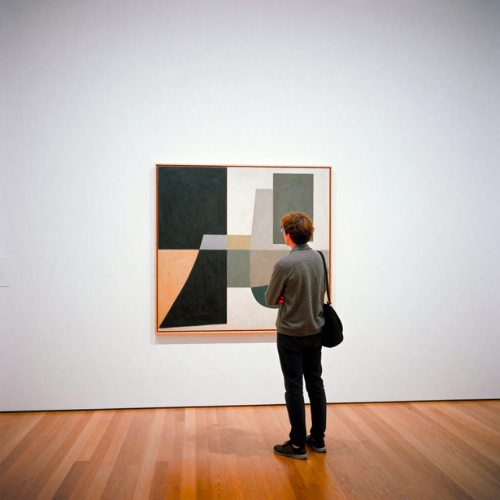
In gallery settings, walls are arranged to create rhythm. The viewer should feel invited to move from piece to piece without confusion or visual fatigue. This same principle applies to home gallery walls. Each piece should contribute to the whole rather than compete for attention.
Understanding this mindset changes how people approach their walls. Instead of asking, “How do I hang these frames?” the better question becomes, “What experience do I want this wall to create?” That shift alone leads to more thoughtful and visually pleasing results.
Understanding the Purpose of Your Gallery Wall
Before exploring creative ideas for gallery wall arrangements, it is essential to define purpose. Purpose informs layout, spacing, and artwork selection.
Some gallery walls are deeply personal. They showcase family photographs, travel memories, or inherited artwork. These walls thrive on storytelling. They work best when arranged organically, allowing each piece to feel like part of a lived narrative rather than a rigid pattern.
Other gallery walls are purely aesthetic. Their goal is to elevate a space visually, often using abstract art, minimal photography, or color-based themes. These benefit from structured layouts that emphasize balance and visual clarity.
There are also gallery walls designed to make a statement. In professional spaces or large living rooms, these walls serve as focal points. Bold artwork, oversized frames, and dramatic spacing often define these arrangements.
Knowing your purpose prevents common mistakes and ensures that creativity is guided by intention rather than guesswork.
Key Design Principles That Guide Successful Gallery Walls
Creative freedom thrives best within structure. Over the years, I’ve learned that the most striking gallery walls follow a few core design principles, even when they appear spontaneous.
Balance is one of the most critical elements. Balance does not always mean symmetry. It means distributing visual weight evenly across the wall. A large artwork on one side can be balanced by several smaller pieces on the other.
Spacing also plays a major role. Consistent spacing creates cohesion, while irregular spacing can create tension if not handled carefully. In most residential spaces, leaving about two to three inches between frames keeps the arrangement feeling intentional rather than cluttered.
Color harmony is another guiding factor. Even when artworks vary in subject or style, shared color tones help unify the wall. This can be achieved through frame color, matting, or recurring hues within the artworks themselves.
These principles form the foundation upon which all creative ideas for gallery wall arrangements are built.
Salon-Style Gallery Wall Arrangements That Feel Timeless
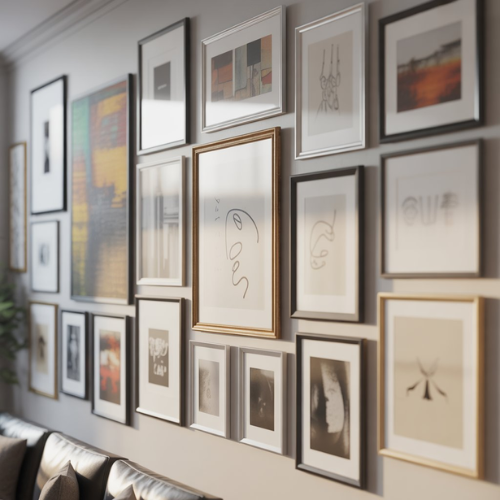
Salon-style gallery walls are among the most expressive arrangements I encounter. Inspired by historic European art salons, these walls feature artworks hung closely together, often spanning from eye level to near the ceiling.
What makes this style so effective is its sense of abundance. The wall feels rich, layered, and immersive. It works particularly well for eclectic art collections that include paintings, sketches, prints, and photographs.
To achieve a successful salon-style arrangement, I always recommend starting with a central anchor piece. This establishes a visual core. From there, additional artworks can radiate outward, filling the space organically.
Despite the apparent randomness, the best salon-style walls maintain visual logic. Frames often share a color palette, or the artworks follow a thematic connection. Without these subtle controls, the wall can quickly feel chaotic rather than curated.
Grid-Style Gallery Wall Ideas for Clean and Modern Spaces
Grid-style gallery wall arrangements offer a completely different aesthetic. They are structured, precise, and visually calming. This approach is ideal for modern interiors, minimalist homes, or spaces where order is a priority.
In a grid layout, each frame is identical in size and evenly spaced. This uniformity places emphasis on the artwork itself rather than the arrangement. Photography collections, graphic prints, or series-based artworks perform exceptionally well in this format.
Precision is key. Measurements must be exact, and alignment must be flawless. While this requires more planning, the result is a gallery wall that feels refined and intentional.
For those seeking creative ideas for gallery wall arrangements that are understated yet impactful, grid-style layouts remain one of the most reliable choices.
Asymmetrical Gallery Wall Arrangements for Artistic Expression
Asymmetrical gallery walls allow for the greatest creative freedom. They are dynamic, expressive, and particularly effective for showcasing diverse art collections.
Unlike grid or salon styles, asymmetrical layouts rely heavily on visual intuition. The goal is to create movement without imbalance. Larger pieces often anchor the arrangement, while smaller works support and guide the eye.
This style works beautifully in contemporary spaces or creative studios. It encourages experimentation and personal expression, making it ideal for those who want their gallery wall to feel truly unique.
When executed thoughtfully, asymmetry creates energy. It invites viewers to explore the wall rather than simply observe it.
Mixing Art Mediums for a Rich Visual Experience
One of the most overlooked creative ideas for gallery wall arrangements is mixing mediums. Too often, walls are limited to framed prints alone.
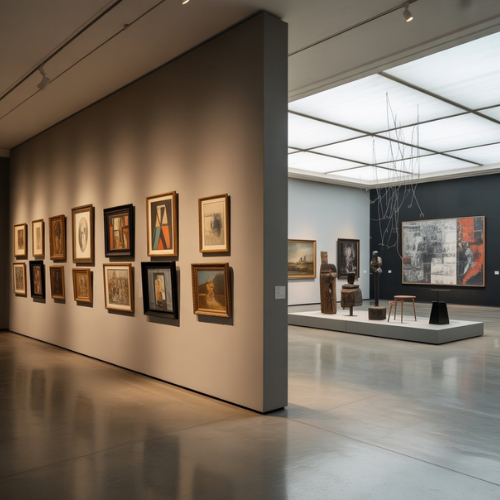
In professional gallery settings, mixed media walls are common. Paintings, drawings, photographs, sculptures, textiles, and even mirrors can coexist beautifully when curated with care.
Introducing different textures adds depth and dimension. A canvas painting next to a framed photograph creates contrast. A sculptural object adds physical presence that flat artwork cannot achieve alone.
The key is restraint. Mixed media works best when united by a shared theme, color palette, or emotional tone. When done thoughtfully, it elevates the gallery wall from decorative to immersive.
Frame Styling Ideas That Influence the Overall Mood
Frames are not merely functional. They shape how art is perceived.
Matching frames create cohesion and simplicity. They allow diverse artworks to coexist without visual conflict. This approach is often used in professional galleries to keep focus on the art itself.
Eclectic frames, on the other hand, add personality. Mixing wood, metal, vintage, and modern frames can enhance storytelling, especially in personal gallery walls.
The choice between matching and eclectic framing should align with your overall design goal. Both approaches are valid when executed with intention.
Creative Gallery Wall Layouts for Small Spaces
Small spaces often intimidate people when it comes to gallery walls, but in reality, they offer some of the most rewarding opportunities for creativity. Limited wall area encourages thoughtful curation, which is at the heart of a strong gallery wall.
In compact rooms, every piece must earn its place. I often advise selecting fewer artworks with stronger visual impact rather than overcrowding the wall. This approach allows each piece to breathe and prevents the space from feeling cluttered.
Vertical arrangements are particularly effective in small spaces. Stacking artwork upward draws the eye higher, making ceilings feel taller and rooms feel more open. Narrow walls, corners, and even spaces above furniture can become powerful display areas when approached with intention.
Statement Gallery Walls for Large Living Rooms and Open Spaces
Large walls demand confidence. In spacious living rooms or open-plan interiors, a gallery wall should feel bold enough to hold its own without getting lost.
Scale becomes the primary consideration here. Small frames scattered across a large wall often feel disconnected. Instead, larger artworks or grouped collections create a sense of unity and presence.
Negative space is equally important. Allowing breathing room around the gallery wall prevents visual overload and highlights the arrangement as a focal point rather than background decoration. When done well, statement gallery walls command attention while maintaining elegance.
Gallery Wall Ideas for Hallways, Staircases, and Entryways
Transitional spaces are often overlooked, yet they are some of the most natural environments for gallery walls. Hallways and staircases guide movement, making them ideal for visual storytelling.
In hallways, linear arrangements work exceptionally well. Aligning artwork along a consistent center line creates rhythm and continuity as people move through the space.
Staircase gallery walls benefit from following the angle of the stairs. This approach feels intuitive and enhances architectural flow. Entryways, on the other hand, offer an opportunity for immediate impact. A thoughtfully curated gallery wall sets the tone for the entire home.
Choosing Art That Creates a Cohesive Story
One of the most common questions I encounter is how to select artwork that works together. The answer lies in cohesion rather than uniformity.
Cohesion can come from shared themes, color palettes, subject matter, or emotional tone. A gallery wall does not need identical artworks to feel unified. It needs a common thread.
I often recommend laying artworks on the floor before hanging them. This allows you to see relationships between pieces and adjust the arrangement organically. When the story feels clear on the ground, it will translate beautifully on the wall.
Color-Based Gallery Wall Arrangements That Feel Intentional
Color is one of the most powerful tools in gallery wall design. Thoughtful color-based arrangements feel curated even when the artwork styles differ greatly.
Monochromatic gallery walls use variations of a single color to create harmony and calm. Neutral palettes offer timeless elegance, while bold color-focused walls inject personality and energy into a space.
Frames and mats also contribute to the color story. Even subtle accents can tie a diverse collection together. When color is used intentionally, the entire wall feels deliberate rather than accidental.
Theme-Driven Gallery Wall Ideas That Reflect Personal Style
Theme-driven gallery walls are among the most meaningful arrangements. They reflect personal interests, cultural influences, or artistic passions.
Abstract-themed walls highlight form, texture, and emotion. Minimalist themes emphasize simplicity and restraint. Vintage or cultural themes celebrate history and identity.
The key to success is commitment. When a theme is clearly defined, it guides every decision, from artwork selection to frame choice. This clarity results in a gallery wall that feels authentic and deeply personal.
Common Gallery Wall Mistakes to Avoid
Even the most beautiful artwork can lose impact when poorly displayed. One frequent mistake is hanging art too high. Artwork should generally sit at eye level to maintain connection with the viewer.
Inconsistent spacing is another issue. Random gaps between frames can disrupt visual flow and make the wall feel unplanned. Taking time to measure and plan prevents this problem entirely.
Overcrowding is also common. More is not always better. Allowing space between pieces enhances clarity and appreciation. A gallery wall should invite engagement, not overwhelm.
How Professional Art Galleries Approach Wall Arrangements
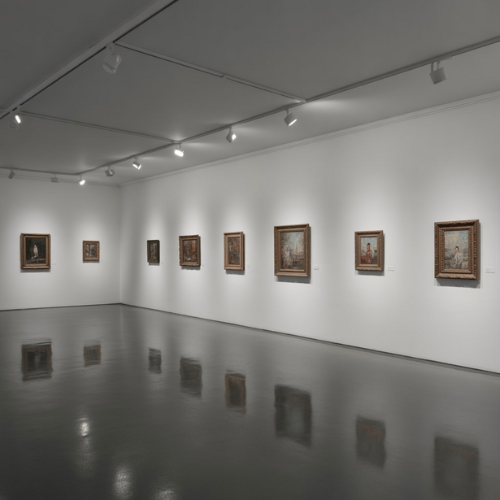
Professional galleries approach wall arrangements with discipline and clarity. Every piece has a purpose, and nothing is accidental.
Sightlines are carefully considered. Art is placed where it naturally meets the viewer’s eye. Lighting is used to enhance texture, color, and mood.
Perhaps most importantly, galleries understand restraint. They know when to stop. Applying this mindset to home gallery walls instantly elevates the final result.
Planning Tools and Techniques for Flawless Placement
Planning is the invisible step behind every successful gallery wall. Templates, paper cutouts, or digital previews help visualize the final layout before committing.
I often recommend marking placements with painter’s tape. This allows adjustments without damage and ensures confidence before hanging.
These techniques remove uncertainty and allow creativity to flourish within a controlled framework.
Frequently Asked Questions About Gallery Wall Arrangements
Many people wonder how many pieces are ideal for a gallery wall. The answer depends on space, scale, and purpose rather than a fixed number.
Another common question involves mixing frame styles. This works beautifully when guided by a unifying element such as color or theme.
There is also concern about symmetry versus freedom. Both approaches are valid. The success lies in intention and thoughtful execution.
Final Thoughts on Creating a Gallery Wall That Lasts
Creative ideas for gallery wall arrangements should always serve the space and the story behind it. Trends come and go, but intentional design endures.
From years of working with art in both gallery and private settings, I can say with confidence that the most powerful gallery walls feel personal, balanced, and thoughtfully curated.
When creativity is guided by purpose, a gallery wall becomes more than decoration. It becomes a lasting expression of identity, taste, and artistic appreciation.