The Biennale of Sydney curatorial direction update has quickly become one of the most discussed topics in the contemporary art world, and from my professional experience observing international exhibitions and gallery trends, I can confidently say that curatorial decisions often shape not only the tone of an exhibition but also its historical significance. When a major event like the Biennale of Sydney announces a shift in curatorial focus, it signals more than a routine change; it reflects evolving artistic priorities, cultural conversations, and global creative movements that influence artists, collectors, and institutions alike.
I have followed several editions of the Biennale over the years, and each curatorial adjustment has revealed how art responds to social, political, and technological changes. The latest update is not simply an administrative announcement but a creative statement that suggests how the upcoming edition intends to position itself in the international art dialogue. For readers, collectors, and gallery enthusiasts, understanding this update provides insight into where contemporary art narratives are heading and why this event continues to maintain its prestige on a global scale.
What the New Curatorial Direction Means
A new curatorial direction in an event of this magnitude often acts like a compass guiding the entire artistic journey of the exhibition. From my perspective as someone deeply engaged with gallery practices and exhibition planning, I see curatorial direction as the invisible architecture behind every displayed artwork. It determines the selection of artists, the thematic coherence, and even the emotional atmosphere visitors will experience while walking through exhibition spaces.
This update suggests a renewed emphasis on inclusivity, experimental formats, and cross-cultural dialogue, elements that have become increasingly vital in contemporary art discussions. When curators shift their focus, they essentially redefine the narrative lens through which artworks are interpreted. For example, a direction that emphasizes environmental awareness will naturally lead to installations, performances, and multimedia works that address sustainability and ecological themes.
For gallery followers and art travelers, this means expectations must adjust accordingly. The experience will likely differ from previous editions, offering fresh visual languages, unconventional mediums, and possibly interactive installations that challenge traditional exhibition norms. Such a change does not erase the legacy of past editions; rather, it builds upon them, allowing the Biennale of Sydney to remain relevant and progressive within the international art circuit.
Background of the Biennale of Sydney and Its Evolution
The Biennale of Sydney has long been recognized as one of the most influential contemporary art events in the Asia-Pacific region, and its evolution mirrors the broader transformation of modern art itself. When I analyze its history, I see a timeline filled with bold artistic experiments, cultural collaborations, and moments that redefined how audiences engage with art in large-scale exhibitions.
Initially, the Biennale focused heavily on showcasing international contemporary works, creating a bridge between Australian audiences and global artistic expressions. Over time, however, it began incorporating stronger regional voices and indigenous narratives, which significantly enriched its cultural depth. This gradual evolution has allowed the event to maintain both international prestige and local authenticity, a balance that many global exhibitions struggle to achieve.
Understanding this historical progression is essential when examining the latest curatorial direction update. Every new direction is not created in isolation; it is influenced by decades of artistic exploration, audience reception, and institutional learning. From my professional viewpoint, this layered background is precisely what gives the Biennale of Sydney its resilience and continued relevance. Each update feels like a new chapter in an ongoing story rather than a disconnected announcement, and this continuity is what keeps art professionals, collectors, and enthusiasts consistently engaged.
Key Themes and Artistic Focus in the Latest Update
The latest curatorial direction update hints at thematic expansions that align strongly with current global conversations in contemporary art. From what I have observed across galleries and international fairs, themes such as identity, technology, migration, and environmental consciousness are becoming increasingly dominant. The Biennale’s new focus appears to integrate these elements while also encouraging experimental mediums that blur the boundaries between visual art, performance, and digital expression.
One of the most compelling aspects of this shift is the anticipated diversity of artistic voices. Rather than concentrating solely on established names, the curatorial update suggests a platform that equally values emerging artists and underrepresented communities. This approach often results in exhibitions that feel more dynamic and unpredictable, which is precisely what contemporary audiences seek when attending large-scale art events.
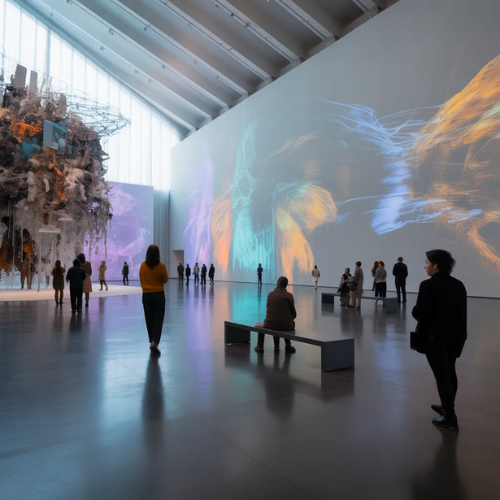
Another noticeable emphasis is the integration of immersive and participatory art forms. In my experience visiting and reviewing exhibitions, interactive installations leave the most lasting impressions on visitors because they transform passive viewing into active engagement. The Biennale’s renewed artistic focus seems to embrace this direction, suggesting that visitors may encounter augmented reality experiences, large-scale projections, and multisensory installations that expand traditional viewing boundaries.
Ultimately, the themes and artistic focus outlined in the curatorial direction update signal a commitment to innovation without abandoning intellectual depth. This balance is crucial for maintaining credibility in the global art scene while also attracting new audiences who are eager for fresh perspectives and experiential encounters.
Impact on Artists, Galleries, and Collectors
The ripple effect of a curatorial direction update at an event as influential as the Biennale of Sydney extends far beyond the exhibition halls. From my professional observation within gallery networks and art market movements, I have consistently seen how such announcements immediately shape artistic production, gallery programming, and even acquisition strategies among collectors. Artists often begin aligning new projects with the themes highlighted by major biennales because these events act as powerful platforms for global visibility.
For emerging artists, this update can serve as both inspiration and opportunity. A curatorial focus that highlights experimental or socially driven work encourages creators to push boundaries and explore unconventional mediums. Galleries, on the other hand, frequently adjust their upcoming exhibitions to resonate with the conversations sparked by the Biennale. This synchronization is not accidental; it is a strategic response to the increased audience attention that follows large-scale art events.
Collectors also respond in subtle yet significant ways. When a biennale emphasizes certain themes or regions, interest in related artworks often increases. I have noticed that collectors who follow curatorial trends closely tend to make more forward-thinking acquisitions, recognizing that today’s thematic focus can become tomorrow’s historical reference point. In this sense, the curatorial direction update does not merely influence what is displayed; it shapes the economic and creative ecosystem surrounding contemporary art.
Visitor Experience and Exhibition Expectations
Whenever a new curatorial direction is announced, visitor expectations shift almost immediately. From my personal experience attending international exhibitions, I have learned that audiences today are not simply looking to view art; they want to experience it. The Biennale of Sydney’s updated direction suggests an environment that encourages exploration, dialogue, and immersion rather than passive observation.
Visitors can likely expect thoughtfully curated spaces that guide them through thematic journeys rather than isolated displays. This approach transforms the exhibition into a narrative experience, where each room or installation feels like a chapter contributing to a broader story. Interactive works, sound installations, and multimedia projections are increasingly common in biennales, and the updated direction strongly hints at an expansion of these formats.
Another important expectation involves accessibility and inclusivity. Contemporary audiences value exhibitions that are intellectually engaging yet approachable. When curators emphasize diversity and cross-cultural dialogue, the result is often an environment where visitors from different backgrounds can find personal connections within the artworks. This balance between sophistication and relatability is what turns a large-scale exhibition into a memorable cultural event rather than a fleeting visual tour.
Global Art Scene Reactions and Cultural Significance
The international art community rarely treats a Biennale of Sydney announcement as a local matter. From what I have witnessed through art publications, gallery collaborations, and curator discussions, these updates quickly become part of global cultural discourse. Major museums, independent curators, and art critics analyze the implications of each curatorial shift, often comparing it to trends seen in other biennales such as Venice or São Paulo.
This global reaction highlights the cultural weight the Biennale carries. A new curatorial direction is interpreted as a reflection of wider artistic and societal conversations. For example, if the focus leans toward environmental narratives or digital experimentation, it usually signals broader creative movements that are already gaining traction worldwide. The Biennale then becomes both a mirror and a catalyst, reflecting current concerns while also amplifying them.
Culturally, this significance extends beyond the art industry. Tourism, education, and public engagement initiatives frequently align with the themes introduced by major exhibitions. Cities hosting such events experience heightened cultural activity, and educational institutions often incorporate biennale themes into academic discussions. This interconnected response demonstrates how a curatorial update can influence not only artistic production but also public awareness and intellectual exchange on a much larger scale.
Final Thoughts on the Biennale of Sydney Curatorial Direction Update
From my perspective as someone deeply engaged with gallery culture and international exhibitions, the Biennale of Sydney curatorial direction update represents far more than an administrative shift. It is a declaration of intent, a creative roadmap that outlines how the upcoming edition will communicate with the world. Such updates remind me that contemporary art is never static; it evolves in response to cultural conversations, technological innovation, and human experience.
What makes this particular update compelling is its balance between innovation and continuity. While it introduces fresh perspectives and experimental approaches, it also respects the historical legacy that has established the Biennale as a cornerstone of the global art calendar. This equilibrium ensures that returning visitors will encounter something new while still recognizing the intellectual depth and curatorial rigor that define the event.
For artists, galleries, collectors, and enthusiasts alike, following these curatorial developments is not merely informative; it is essential. They offer insight into emerging trends, reveal shifts in artistic priorities, and provide a glimpse into the future direction of contemporary art. In many ways, the Biennale of Sydney’s updated curatorial vision serves as both a reflection of the present moment and a preview of the creative dialogues that will shape the art world in the years ahead.