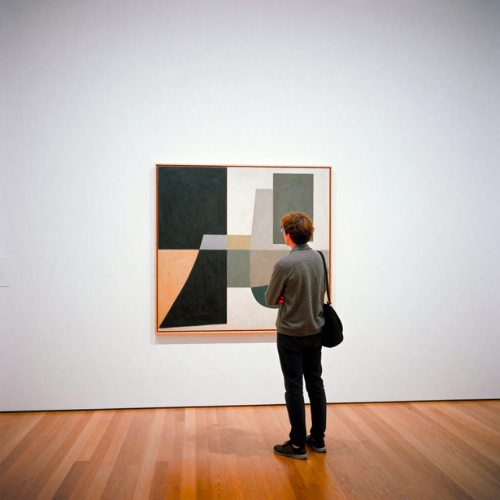
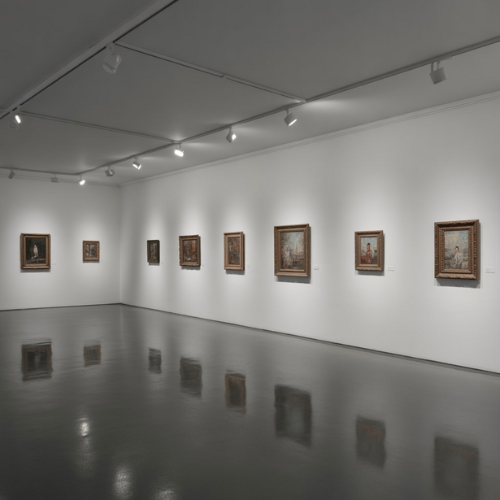
In my years working with art exhibitions and gallery spaces, I’ve learned one undeniable truth: lighting can elevate an exhibition or quietly ruin it. Even the most powerful artwork can lose its impact if the lighting is wrong. On the other hand, the right lighting setup can transform a modest exhibition into a memorable visual experience.
When people search for the best lighting setup for art exhibitions, they are usually looking for clarity, confidence, and professional guidance. They want to understand how lighting affects art, how to choose the right system, and how to avoid costly mistakes. This article is written from real gallery experience, not theory alone.
Lighting is not just about brightness. It’s about control, balance, preservation, and storytelling. A well-designed lighting setup directs attention, shapes mood, and respects the integrity of the artwork. Throughout this guide, I will explain how to approach exhibition lighting with a professional mindset and practical understanding.
Understanding the Role of Lighting in Art Galleries
Lighting in an art gallery serves multiple purposes at the same time. It reveals the artwork, protects it, and guides the visitor’s experience. Each of these roles must be carefully balanced to achieve a successful exhibition.
From a visual standpoint, lighting determines how colors appear, how textures are perceived, and how depth is understood. A poorly lit painting may look flat or dull, while the same piece under proper lighting can feel alive and emotionally engaging.
Lighting also plays a psychological role. Visitors subconsciously respond to light levels, contrast, and warmth. Strategic lighting can create intimacy, drama, or openness depending on the exhibition’s intent. I’ve seen visitors spend more time in galleries where the lighting feels intentional and comfortable, even when they don’t consciously realize why.
Beyond aesthetics, lighting has a conservation role. Excessive heat, UV exposure, or uncontrolled brightness can cause irreversible damage to artworks. A professional lighting setup always respects the long-term preservation of the pieces on display.
What Searchers Really Mean by “Best Lighting Setup for Art Exhibitions”
When someone searches for the best lighting setup for art exhibitions, they are rarely asking for a single product or fixture. What they want is a system that works reliably, looks professional, and adapts to different artworks.
In my experience, searchers are usually trying to solve one or more problems. They may be preparing for an exhibition and unsure where to start. They may have experienced poor lighting in the past and want to avoid repeating mistakes. Or they may be upgrading a gallery space and looking for modern, efficient solutions.
The word “best” in this context means controlled, flexible, and artwork-friendly. It means lighting that enhances without overpowering. It also means systems that allow adjustments as exhibitions change, rather than fixed setups that limit creativity.
Understanding this intent is essential. The best lighting setup is not universal, but there are professional standards and principles that consistently lead to better results. Those principles are what guide smart lighting decisions in successful art exhibitions.
Key Principles of Exhibition Lighting Design
Every effective lighting setup for art exhibitions is built on a few core principles. Ignoring these principles often leads to uneven illumination, visual fatigue, or damaged artwork.
The first principle is balance. Lighting should highlight artwork without creating harsh contrasts or deep shadows. The goal is even, controlled illumination that feels natural to the eye.
Another essential principle is direction. Light should be intentionally aimed, not randomly distributed. Directional lighting allows the viewer to focus on specific pieces while keeping the surrounding environment calm and uncluttered.
Flexibility is equally important. Exhibitions change, and lighting must adapt. A professional setup allows angles, intensity, and positioning to be adjusted without major rewiring or redesign.
Finally, restraint matters. Overlighting is one of the most common mistakes I encounter. More light does not equal better visibility. In fact, excessive brightness often reduces visual comfort and distracts from the artwork itself.
Types of Lighting Used in Art Exhibitions
Understanding the different types of lighting used in exhibitions helps build a complete and professional lighting strategy. Each type plays a distinct role, and the best results come from combining them thoughtfully.
Ambient Lighting
Ambient lighting provides the overall illumination of the gallery space. It sets the base level of brightness and ensures visitors can move comfortably through the exhibition.
In professional galleries, ambient lighting is usually subtle and unobtrusive. It should never compete with the artwork. Instead, it creates a neutral visual environment that supports accent lighting.
Poor ambient lighting can make a gallery feel either too dark and intimidating or too bright and clinical. Finding the right balance is essential for visitor comfort and engagement.
Accent Lighting
Accent lighting is the most critical element in showcasing artwork. This type of lighting is used to highlight individual pieces, guide attention, and create visual hierarchy within the exhibition.
Track lights are commonly used for accent lighting because they offer flexibility and precision. Each fixture can be adjusted independently to suit the artwork’s size, texture, and placement.
When done correctly, accent lighting feels almost invisible. Visitors notice the artwork, not the light source. That subtlety is a hallmark of a professional lighting setup.
Task Lighting
Task lighting is less visible but still important in certain exhibition contexts. It is often used in interactive displays, reading areas, or educational sections within a gallery.
This type of lighting should be functional without disrupting the visual flow of the exhibition. It must blend seamlessly with the overall lighting design while serving its specific purpose.
Task lighting is especially useful in modern exhibitions that include digital displays, labels, or hands-on components.
Best Lighting Setup for Art Exhibitions: A Professional Gallery Perspective
From a professional standpoint, the best lighting setup for art exhibitions is one that prioritizes control, consistency, and adaptability. I always recommend systems that allow fine-tuning rather than fixed solutions.
Track lighting combined with high-quality LED fixtures remains one of the most reliable choices for exhibitions. This setup allows individual artworks to be lit precisely while maintaining a cohesive visual experience throughout the gallery.
A professional lighting setup also considers ceiling height, wall color, and exhibition layout. These factors influence how light behaves in the space and must be accounted for during planning.
Most importantly, the best setup evolves with the exhibition. Lighting should be reviewed and adjusted during installation, not treated as a final step. Small changes in angle or intensity often make a significant difference in how artwork is perceived.
Choosing the Right Light Sources for Artwork
Selecting the right light source is one of the most critical decisions in any art exhibition. Over the years, I have seen how the wrong choice can distort colors, damage materials, or create an uninviting atmosphere. The best lighting setup for art exhibitions always starts with understanding how different light sources behave.
Light sources vary in heat output, color accuracy, energy efficiency, and lifespan. These factors directly affect both the artwork and the operational cost of the exhibition. A professional approach considers long-term impact, not just immediate visual results.
Modern galleries now prioritize lighting solutions that offer precision, stability, and minimal risk to artworks. This shift has significantly improved both exhibition quality and conservation standards.
LED Lighting
LED lighting has become the preferred choice in most contemporary art galleries, and for good reason. High-quality LED fixtures offer excellent color accuracy while producing minimal heat and UV radiation.
From an exhibition standpoint, LEDs provide consistent illumination over time. Unlike older light sources, they do not shift color temperature as they age. This reliability is essential for maintaining the intended appearance of artworks throughout an exhibition.
Another advantage of LED lighting is flexibility. Many LED systems allow dimming and beam adjustment, making them ideal for galleries that frequently change displays. When someone asks about the best lighting setup for art exhibitions, LED lighting is almost always part of the answer.
Halogen Lighting
Halogen lighting was once a standard in galleries due to its warm light and strong color rendering. In some traditional or historical exhibition settings, halogen lights are still used to achieve a specific visual effect.
However, halogen lights generate significant heat and consume more energy than modern alternatives. This makes them less suitable for sensitive artworks and long-term exhibitions.
While halogen lighting can still serve niche purposes, I generally recommend limiting its use and carefully monitoring exposure levels to protect the artwork.
Fiber Optic Lighting
Fiber optic lighting is a specialized solution often used for highly sensitive or valuable artworks. This system separates the light source from the display area, reducing heat and UV exposure near the artwork.
Fiber optics are particularly effective for cases, vitrines, or tightly controlled exhibition spaces. They allow precise lighting without compromising conservation standards.
Although fiber optic systems can be more expensive, they offer unmatched protection and control when preservation is a top priority.
Color Temperature and CRI: How Lighting Affects Art Perception
Color temperature plays a crucial role in how artwork is perceived. Measured in Kelvin, it determines whether light appears warm, neutral, or cool. Choosing the wrong color temperature can dramatically alter the emotional tone of an exhibition.
Warm lighting often enhances traditional paintings, wood textures, and classical works. Cooler lighting may suit contemporary art, photography, or minimalist installations. The key is alignment between the artwork and the lighting atmosphere.
Equally important is the Color Rendering Index, or CRI. A high CRI ensures that colors appear accurate and true to the artist’s intent. For art exhibitions, I always recommend lighting with a CRI of 90 or higher.
Low-CRI lighting may appear bright, but it often dulls or distorts colors. This is one of the most common issues I encounter in poorly lit exhibitions, and it significantly reduces the quality of the viewing experience.
Lighting Setup for Different Types of Artwork
Not all artworks respond to light in the same way. A professional lighting setup takes into account the medium, surface, and dimensions of each piece.
Paintings, sculptures, photographs, and mixed media installations all require different lighting strategies. Understanding these differences is essential for achieving the best lighting setup for art exhibitions.
Paintings and Wall Art
Paintings benefit from even, angled lighting that minimizes glare and reflections. The angle of illumination is just as important as the intensity.
I typically recommend lighting paintings at a slight angle from above. This approach enhances texture while preventing direct reflections that distract viewers.
Consistent spacing and alignment of light fixtures also help maintain visual harmony across gallery walls.
Sculptures and Installations
Sculptural works require a more dynamic lighting approach. Shadows play a vital role in revealing form, depth, and movement.
Multiple light sources are often used to highlight different angles and contours. The goal is to create dimensionality without overwhelming the piece.
In large installations, lighting becomes part of the artwork itself. Careful experimentation is often necessary to achieve the desired effect.
Photography and Prints
Photography is particularly sensitive to lighting due to reflective surfaces. Glare control is essential to ensure clear visibility.
Soft, controlled lighting with precise angles works best. Excessive brightness can wash out details and reduce contrast.
Color accuracy is also critical in photographic exhibitions, making high-CRI lighting non-negotiable.
Mixed Media and Contemporary Art
Mixed media and contemporary works often challenge traditional lighting norms. These pieces may include unconventional materials that react unpredictably to light.
In such cases, flexibility is essential. Adjustable lighting allows experimentation until the artwork is presented in its strongest form.
Contemporary exhibitions often benefit from lighting that supports concept and narrative rather than strict uniformity.
Preventing Artwork Damage with Proper Lighting
One of my primary responsibilities as a gallery professional is protecting artwork from long-term damage. Lighting, if not properly managed, can be a silent threat.
Excessive exposure to light can cause fading, discoloration, and material degradation. This is especially true for works on paper, textiles, and organic materials.
Using low-heat, low-UV light sources significantly reduces these risks. Exposure duration should also be considered, particularly in long-running exhibitions.
A professional lighting setup always balances visibility with preservation. The goal is to showcase art today without compromising its future.
Track Lighting vs. Fixed Lighting Systems in Galleries
Track lighting remains one of the most versatile solutions for art exhibitions. Its adaptability makes it ideal for galleries that regularly change displays.
With track systems, fixtures can be repositioned easily without structural changes. This flexibility saves time, reduces costs, and allows creative freedom.
Fixed lighting systems, while visually clean, often limit exhibition design. They may work in permanent installations but are less practical for evolving exhibitions.
For most galleries, track lighting provides the best balance between functionality and aesthetics.
Natural Light in Art Exhibitions: When and How to Use It Safely
Natural light can enhance an exhibition when used thoughtfully, but it must be handled with caution. Uncontrolled sunlight is one of the most damaging elements for artwork.
When natural light is present, filters, blinds, or diffusers should always be used. These tools help control intensity and reduce UV exposure.
In some cases, natural light is best used as ambient illumination, supplemented by artificial lighting for consistency and control.
A professional gallery never relies solely on natural light for exhibition lighting.
Common Lighting Mistakes to Avoid in Art Exhibitions
One of the most frequent mistakes is overlighting. Excessive brightness flattens artwork and creates visual fatigue for visitors.
Another common error is inconsistent lighting levels across the gallery. This disrupts flow and distracts from the exhibition narrative.
Poor fixture placement, low CRI lighting, and lack of adjustability also undermine exhibition quality. These issues are avoidable with proper planning and professional awareness.
Budget Considerations: Creating the Best Lighting Setup at Different Price Levels
A strong lighting setup does not always require an unlimited budget. What matters most is strategic investment.
Prioritizing high-quality fixtures for key artworks often delivers better results than spreading resources too thin. Energy-efficient lighting also reduces long-term operational costs.
Even modest galleries can achieve professional results by focusing on flexibility, control, and color accuracy rather than decorative lighting.
Professional Tips from Art Gallery Lighting Experts
Always test lighting during installation, not after. Subtle adjustments make a significant difference.
View artwork from multiple angles and distances. Lighting should support both close inspection and overall presentation.
Most importantly, remember that lighting exists to serve the art, not compete with it.
How Lighting Influences Visitor Experience and Artwork Value
Lighting directly affects how long visitors engage with artwork and how they emotionally respond to it. A well-lit exhibition feels intentional, professional, and trustworthy.
From a market perspective, proper lighting also enhances perceived value. Collectors and buyers are more confident when artwork is presented at its best.
Lighting is not just technical; it is part of the storytelling process.
Future Trends in Art Exhibition Lighting Design
Smart lighting systems, automated controls, and sustainable technologies are shaping the future of gallery lighting.
These innovations offer greater precision while reducing energy consumption and maintenance requirements.
As exhibitions continue to evolve, lighting will remain a central element in how art is experienced and preserved.
Final Thoughts: Creating the Best Lighting Setup for Art Exhibitions
The best lighting setup for art exhibitions is never accidental. It is the result of thoughtful planning, technical knowledge, and respect for the artwork.
From light sources and color accuracy to flexibility and preservation, every decision matters. When lighting is done right, it disappears into the background and allows the art to speak.
That, in my professional experience, is the true measure of successful exhibition lighting.