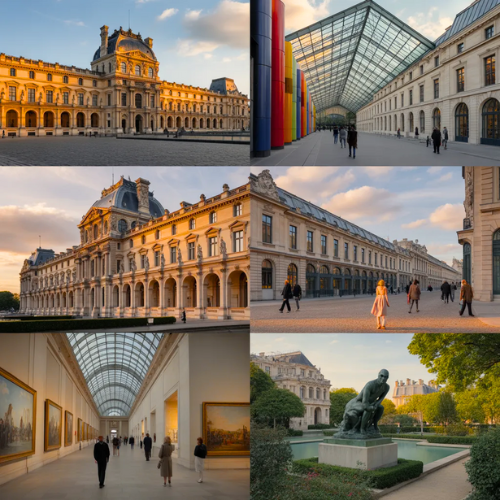
Paris is a city where art breathes in every street, café, and historic building. Visiting Paris without exploring its art museums would be like visiting Rome without seeing the Colosseum—it simply wouldn’t feel complete. I have spent years curating and guiding art enthusiasts through these museums, and I can confidently say that each museum in Paris offers a unique story, a distinct atmosphere, and a collection that will leave you inspired. Whether you are a casual traveler curious about famous paintings or a devoted art lover seeking masterpieces, Paris caters to every kind of visitor. In this guide, I will share the best art museums to visit in Paris, highlighting what makes each destination a must-see.
The beauty of Paris lies not just in the collections but in the experience itself. Walking through the halls of these museums, I often find myself transported through time—from ancient civilizations to modern expressions of creativity. Understanding the art, the history behind it, and even the architecture of these museums adds layers of depth to your visit. For first-time visitors, this can seem overwhelming, but with the right approach, it becomes a journey filled with discovery and awe.
Why Paris is a Top Destination for Art Lovers
Paris has been a cultural hub for centuries, attracting some of the world’s greatest artists and thinkers. The city’s reputation as a center for art is not accidental. From the Renaissance to the Impressionist movement, Paris nurtured talent and preserved countless masterpieces. I often tell visitors that understanding Parisian art is like reading the city’s diary; each museum offers a chapter of a story that spans hundreds of years.
The city’s commitment to art is evident not only in its world-famous museums but also in its galleries, public sculptures, and art-focused neighborhoods like Montmartre and Le Marais. Paris provides an immersive experience, allowing visitors to see original works that have shaped global art history. For those who want to understand the evolution of artistic movements, Paris is unparalleled. Even beyond the most famous museums, smaller, lesser-known collections provide intimate experiences with works that rarely travel outside France.
Best Art Museums to Visit in Paris
#1. Louvre Museum: The Iconic Must-See
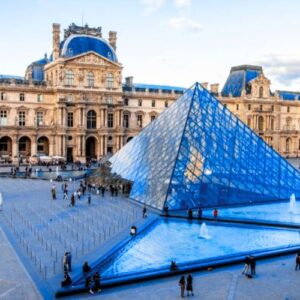
No discussion of Parisian art museums can begin without mentioning the Louvre. As the world’s largest art museum, it houses over 38,000 objects from prehistory to the 21st century. I have spent countless hours exploring the Louvre, and I can assure you that the museum’s reputation is entirely deserved. From the Mona Lisa to the Venus de Milo, the Louvre offers a glimpse into the breadth of human creativity.
Visiting the Louvre requires planning. Its size can be daunting, and it is easy to feel overwhelmed. I recommend prioritizing sections based on your interests. For instance, the Egyptian Antiquities are perfect for history enthusiasts, while the European paintings section showcases iconic works from the Renaissance to the 19th century. To fully appreciate the museum, take time to explore the architecture as well; the glass pyramid at the entrance is a modern marvel juxtaposed against the classical grandeur of the palace. I have found that visitors who linger and absorb both the art and the environment leave with a much richer experience.
#2. Musée d’Orsay: Masterpieces of Impressionism
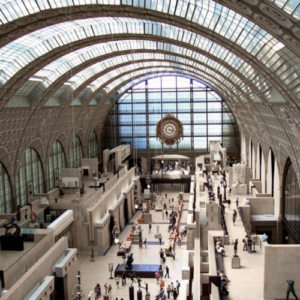
If the Louvre represents the breadth of history, the Musée d’Orsay captures a specific, transformative period of art. Housed in a beautifully converted railway station, the museum focuses on 19th- and early 20th-century art, with an emphasis on Impressionism and Post-Impressionism. Works by Monet, Van Gogh, Renoir, and Degas are highlights that every art enthusiast should experience.
What I particularly love about Musée d’Orsay is its atmosphere. The museum’s design enhances the viewing experience, with natural light streaming through the high ceilings, creating a sense of openness that complements the vibrant paintings. Visitors often remark on the emotional impact of seeing Monet’s water lilies or Van Gogh’s expressive brushstrokes in person, something that reproductions cannot convey. I encourage taking your time in each gallery, observing not just the brushwork, but the context in which the artists created these pieces, often reflecting societal changes and personal struggles.
#3. Centre Pompidou: Modern and Contemporary Art Hub
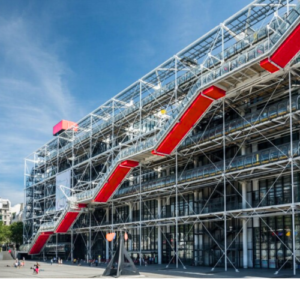
For those interested in modern and contemporary art, the Centre Pompidou is indispensable. Its unconventional architecture—exposed pipes and brightly colored structural elements—signals that this museum is not about tradition but experimentation. I have guided many visitors who were initially hesitant about contemporary art, only to find themselves fascinated by the bold works of Picasso, Duchamp, and Kandinsky.
The museum’s collection is extensive, covering painting, sculpture, photography, and digital art. One of the unique aspects of visiting the Centre Pompidou is its rooftop view, which provides a panoramic glimpse of Paris alongside a deep dive into modern creativity. I often suggest combining the visit with nearby contemporary galleries in the Marais district, allowing a seamless continuation of exploring Paris’s innovative art scene.
#4. Musée de l’Orangerie: Monet’s Water Lilies and More
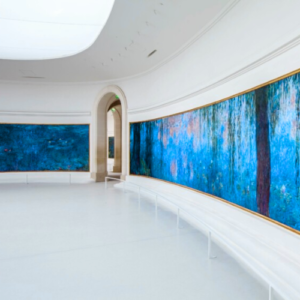
Nestled in the Tuileries Gardens, the Musée de l’Orangerie offers an intimate and contemplative experience unlike the larger Paris museums. I often tell visitors that this is where art and emotion meet most profoundly. The museum is most famous for Monet’s Water Lilies, displayed in two oval rooms designed to immerse viewers in the artist’s vision. Standing before these monumental canvases, it’s easy to lose track of time, as the play of light, color, and reflection evokes a sense of tranquility and wonder.
Beyond Monet, the museum houses a remarkable collection of 20th-century art, including works by Cézanne, Matisse, and Picasso. I recommend exploring these galleries slowly, allowing each painting to communicate its story. The Orangerie’s smaller scale makes it accessible for visitors who may feel overwhelmed by the vastness of the Louvre or Musée d’Orsay, yet its impact is no less profound.
#5. Petit Palais: Hidden Gems in Paris
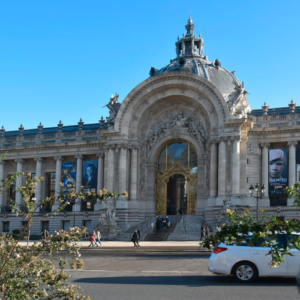
The Petit Palais is a museum I consider a hidden gem that many visitors overlook. Officially called the City of Paris Museum of Fine Arts, it houses an impressive array of European paintings, sculptures, and decorative arts. What makes it particularly enjoyable is its balance between accessibility and richness. Unlike some major museums, the Petit Palais offers a quieter, more personal experience, allowing visitors to linger without feeling rushed.
The architecture itself is a work of art, with its grand facade and light-filled galleries creating an elegant atmosphere for viewing the collection. I often advise visitors to start with the decorative arts section, which showcases the intricate craftsmanship of French design, before moving on to the paintings. The museum also frequently hosts temporary exhibitions that feature contemporary artists or lesser-known historical works, providing fresh perspectives even for returning visitors.
#6. Musée Rodin: Sculpture and Serenity
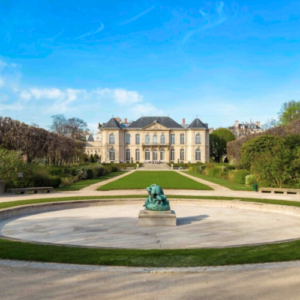
For lovers of sculpture, the Musée Rodin is a must-visit. I always emphasize that this museum is not just about observing art, but experiencing it in context. The museum occupies the Hôtel Biron, a charming 18th-century mansion surrounded by beautifully landscaped gardens. The setting allows Rodin’s sculptures to interact with nature, creating moments of reflection and discovery.
Iconic works such as The Thinker and The Kiss are displayed both indoors and outdoors, offering different perspectives depending on the lighting and surroundings. I encourage visitors to wander the gardens slowly, observing how each sculpture changes with the viewer’s position. This immersive approach turns a museum visit into a meditative journey, where art, architecture, and nature converge.
Tips for Visiting Art Museums in Paris Efficiently
Parisian museums can be large, crowded, and overwhelming if not approached strategically. From my experience, planning your visit in advance is crucial. Prioritize the museums and artworks that interest you most, and consider purchasing tickets online to skip long queues. Many museums also offer guided tours, which provide historical context and storytelling that enhance appreciation of the art.
Another tip is to combine visits geographically. For example, the Louvre, Musée d’Orsay, and Musée de l’Orangerie are all within walking distance of each other, allowing a day to focus on classical and impressionist art. Conversely, the Centre Pompidou and Petit Palais are better paired with explorations of their surrounding districts for a full cultural experience. I also recommend visiting museums early in the morning or later in the afternoon to avoid peak crowds and enjoy a more personal connection with the art.
Choosing the Right Museum Based on Your Interests
Not every museum will appeal to every visitor, and that’s the beauty of Paris—it has something for everyone. I often advise first-time visitors to reflect on their personal preferences:
-
History and classical art? Prioritize the Louvre and Petit Palais.
-
Impressionism and Post-Impressionism? Musée d’Orsay and Musée de l’Orangerie are ideal.
-
Modern and contemporary art? Centre Pompidou will satisfy your curiosity.
-
Sculpture enthusiasts? Musée Rodin is essential.
This approach ensures that your visit is not only enjoyable but also meaningful, allowing you to connect deeply with the art rather than rushing through a checklist of famous names.
Seasonal and Temporary Exhibitions to Watch Out For
Parisian museums frequently host temporary exhibitions that provide unique insights into specific artists, movements, or themes. For example, the Louvre may showcase rare Egyptian artifacts, while the Musée d’Orsay occasionally features focused exhibits on a single Impressionist artist. I always recommend checking museum websites before visiting to see if any special exhibitions coincide with your trip. These exhibitions often include pieces that are not part of the permanent collection, offering a rare chance to see extraordinary works.
Practical Information: Tickets, Timings, and Passes
Efficiency and convenience can significantly enhance your museum experience. Most major museums in Paris offer online ticketing, timed-entry passes, and city passes like the Paris Museum Pass, which can save both time and money. I also suggest downloading museum apps or maps in advance, which help plan your route and ensure you don’t miss key pieces.
Here’s a quick reference table for major museums:
| Museum | Recommended Visit Time | Ticket Options | Highlights |
|---|---|---|---|
| Louvre | 3–4 hours | Online, Timed-entry, Museum Pass | Mona Lisa, Venus de Milo |
| Musée d’Orsay | 2–3 hours | Online, Museum Pass | Monet, Van Gogh, Renoir |
| Centre Pompidou | 2–3 hours | Online, Museum Pass | Modern and Contemporary Art |
| Musée de l’Orangerie | 1–2 hours | Online, Museum Pass | Monet’s Water Lilies |
| Petit Palais | 1–2 hours | Free entry, Paid for temporary exhibits | Decorative arts, European paintings |
| Musée Rodin | 1–2 hours | Online, Museum Pass | The Thinker, The Kiss |
Conclusion:
Visiting the best art museums in Paris is not just about checking off famous names; it is about creating a journey that resonates with your interests and passions. Each museum offers a distinct narrative, whether through the timeless masterpieces of the Louvre, the evocative light of Musée d’Orsay, or the serene sculptures of Musée Rodin. I always encourage visitors to approach each museum with curiosity, allowing themselves the freedom to linger, reflect, and absorb the art.
By planning strategically, understanding your preferences, and remaining open to discovery, you can craft an art museum itinerary in Paris that is both enriching and unforgettable. Paris’s museums are more than collections—they are living experiences that connect us to the history, culture, and creativity of humankind. I guarantee that any visitor who embraces this perspective will leave Paris inspired, with memories that extend far beyond the museum walls.