Collecting contemporary art often feels intimidating to beginners. Many people assume it requires insider knowledge, a large budget, or personal connections within the art world. In reality, contemporary art collecting is more accessible today than it has ever been.
After years of working closely with artists, collectors, and galleries, I have seen firsthand how thoughtful guidance transforms curiosity into confident collecting. This beginner guide to collecting contemporary art is designed to remove confusion, replace hesitation with clarity, and help first-time collectors make informed decisions they can feel proud of.
Contemporary art is not about following trends or impressing others. At its core, it is about connection, curiosity, and personal meaning. When approached with the right mindset and foundational knowledge, collecting contemporary art becomes both enjoyable and deeply rewarding.
What Contemporary Art Really Means (Without the Confusion)
One of the first challenges beginners face is understanding what contemporary art actually is. Many assume it refers to a specific style, medium, or aesthetic. That assumption often creates unnecessary confusion.
Contemporary art simply refers to art created by living artists or artists working in the present era. It reflects today’s ideas, cultural conversations, and personal expressions. Unlike traditional art categories, contemporary art is intentionally diverse and fluid.
This openness is one of its greatest strengths. Contemporary artists work with painting, sculpture, photography, installation, digital media, and mixed techniques. Some focus on visual beauty, while others explore social themes, personal narratives, or conceptual ideas.
For beginners, this means there is no single “correct” way contemporary art should look. The value lies in how the artwork resonates with you, challenges your thinking, or enhances the space it occupies.
Why People Choose to Collect Contemporary Art
Most first-time collectors do not start because of investment potential. They start because something speaks to them. That emotional response is often what turns casual interest into a meaningful collection.
Contemporary art allows collectors to engage with current ideas and living artists. There is a sense of participation in an ongoing creative dialogue rather than ownership of something from the distant past.
Another reason contemporary art attracts beginners is its accessibility. Unlike historical masterpieces, contemporary works exist across a wide range of price points. Many talented emerging artists produce exceptional work that is attainable without an overwhelming financial commitment.
Collectors also enjoy the opportunity to support artists directly. Buying contemporary art often means contributing to an artist’s career and creative journey, which adds depth and personal satisfaction to the experience.
Understanding Your Motivation as a Beginner Art Collector
Before purchasing your first piece, it is important to understand why you want to collect contemporary art. This clarity will guide every decision you make and prevent common beginner mistakes.
Some collectors are motivated by aesthetics. They want art that enhances their living or working environment. Others are drawn to storytelling, symbolism, or conceptual depth. There are also those who view collecting as a long-term learning journey.
There is no wrong motivation. However, problems arise when collectors buy art based solely on external validation, trends, or pressure from others. That approach often leads to regret.
I always advise beginners to start with curiosity rather than expectation. Ask yourself what kind of art you enjoy living with. Pay attention to recurring themes, colors, or emotions that consistently attract you. Your collection should evolve from genuine interest, not obligation.
Setting a Realistic Budget for Collecting Contemporary Art
One of the most persistent myths in art collecting is that meaningful art requires a large budget. This belief discourages many beginners before they even begin.
In reality, contemporary art exists at nearly every price level. Establishing a budget is not about limiting yourself but about creating confidence and clarity. Knowing what you are comfortable spending allows you to explore options without pressure.
A realistic budget should include more than just the purchase price. Consider framing, shipping, installation, and proper care. These practical elements are part of responsible collecting and should be planned for from the beginning.
Starting with a modest budget is not a disadvantage. Many experienced collectors began with smaller acquisitions that later became the foundation of their collections. The goal is thoughtful selection, not rapid accumulation.
How to Train Your Eye Before Buying Contemporary Art
Developing an eye for contemporary art does not happen overnight. It is a process that improves through exposure, observation, and reflection.
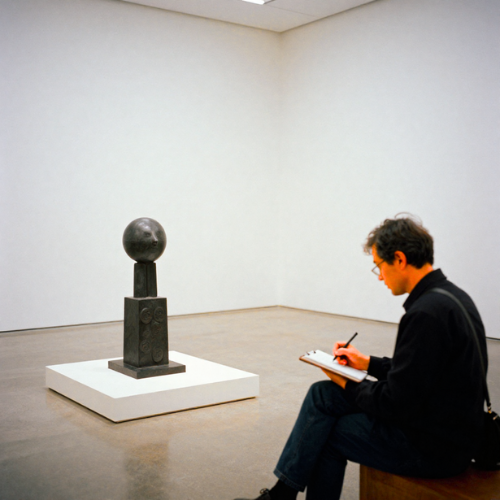
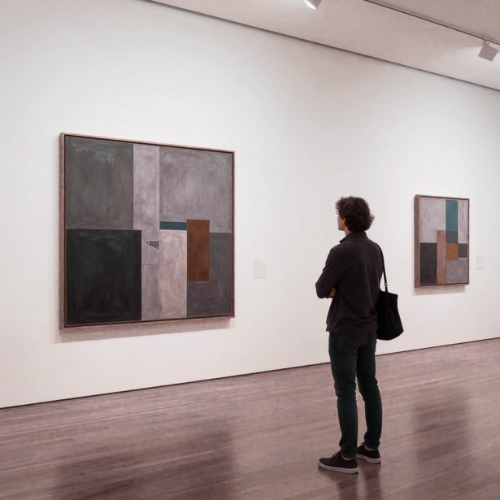
Spend time viewing art in galleries, museums, and online platforms. Notice what draws your attention and what leaves you indifferent. Over time, patterns will emerge in your preferences.
Reading artist statements and curatorial texts can also deepen understanding. Even when an artwork is visually appealing, knowing the intention behind it adds context and appreciation.
Training your eye is not about becoming an expert overnight. It is about learning to trust your responses while remaining open to growth. This balance is essential for beginners navigating contemporary art with confidence.
Types of Contemporary Art Beginners Can Collect
Contemporary art offers a wide range of mediums, making it easy for beginners to find a starting point that feels comfortable and engaging.
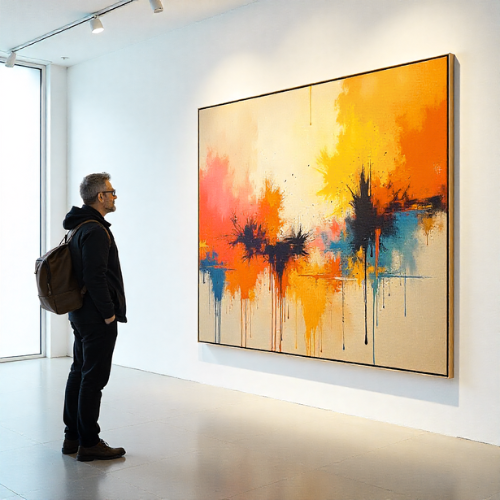
Paintings remain a popular entry point due to their versatility and familiarity. Contemporary painting ranges from abstract compositions to figurative works and experimental techniques.
Photography is another accessible medium. Many contemporary photographers produce limited editions, allowing collectors to own high-quality works at approachable prices.
Sculpture, mixed media, and digital art appeal to collectors seeking something more unconventional. These forms often create strong visual impact and introduce dynamic elements into a collection.
Exploring different mediums helps beginners understand what aligns best with their space, lifestyle, and aesthetic sensibilities.
Where Beginners Should Buy Contemporary Art
Choosing where to buy contemporary art is just as important as choosing the artwork itself. The source influences authenticity, guidance, and long-term satisfaction.
Art galleries are often the most reliable starting point for beginners. Reputable galleries curate artists carefully and provide valuable insight into the work being presented.
Online platforms have also expanded access to contemporary art. While convenient, they require careful evaluation of credibility, artist background, and return policies.
Art fairs and direct purchases from artists offer exciting opportunities but can feel overwhelming without experience. Beginners benefit from taking time to observe before committing in these environments.
The key is to buy from sources that value transparency, education, and long-term relationships rather than quick transactions.
The Role of Art Galleries in Helping New Collectors
Galleries play a crucial role in supporting beginner collectors. Beyond selling artwork, they act as educators, advisors, and connectors within the art ecosystem.
A good gallery takes time to understand your interests, budget, and goals. This personalized guidance reduces uncertainty and builds confidence.
Galleries also ensure proper documentation, provenance, and authenticity. These elements are especially important for beginners who may not yet recognize red flags on their own.
Establishing a relationship with a gallery creates a foundation for long-term collecting. Over time, this connection opens doors to new artists, deeper understanding, and a more fulfilling art journey.
What to Look for When Evaluating Contemporary Artwork
Evaluating contemporary art can feel overwhelming for beginners, especially when there are no rigid rules. Over the years, I have learned that evaluation is less about technical perfection and more about thoughtful observation.
Start with the artist’s background. Understanding where the artist is in their career provides valuable context. Emerging artists often bring fresh perspectives, while more established artists offer consistency and proven development.
Pay attention to materials and technique. Contemporary artists choose their mediums deliberately, and the way a work is executed often reveals depth, discipline, and intent. Even conceptual pieces should demonstrate care and purpose.
Edition size matters, particularly in photography and prints. Limited editions tend to hold stronger long-term value and create a sense of exclusivity. Always confirm documentation and authenticity before purchasing.
Understanding Pricing and Value in Contemporary Art
Pricing in contemporary art is not arbitrary, though it can appear that way to beginners. Multiple factors influence value, including the artist’s experience, exhibition history, demand, and production costs.
It is important to separate price from personal worth. A higher price does not automatically mean better art, just as a lower price does not indicate lesser quality. Value develops over time through consistent practice, recognition, and collector interest.
I often advise beginners to view their early purchases as learning investments. Each acquisition builds understanding, refines taste, and contributes to confidence. This mindset removes pressure and encourages thoughtful decisions.
Transparency is essential. Reputable galleries and platforms are open about pricing structures and happy to explain why a work is priced as it is.
Common Mistakes Beginners Make When Collecting Contemporary Art
One of the most common mistakes I see is buying art solely because it is fashionable. Trends change quickly, but personal connection lasts. Collecting based on popularity often leads to dissatisfaction.
Another frequent error is rushing purchases. Contemporary art rewards patience. Taking time to revisit a work, ask questions, and reflect usually leads to better outcomes.
Some beginners focus too heavily on future resale value. While investment can be a consideration, collecting purely for profit removes the joy and emotional connection that make art meaningful.
Avoiding these mistakes does not require expertise. It requires curiosity, honesty, and a willingness to learn.
How to Build a Meaningful Contemporary Art Collection Over Time
A meaningful collection is built gradually. It reflects evolving taste, experiences, and relationships within the art world.
Rather than aiming for quantity, focus on cohesion. This does not mean everything must look the same, but there should be a shared sensibility or narrative connecting the works.
Document your collection as it grows. Keep records of artist information, purchase dates, and personal notes. This habit strengthens your relationship with the art and enhances long-term value.
Allow your collection to change. Selling or rotating pieces is a natural part of collecting and should not be viewed as failure. Growth is part of the journey.
Caring for and Displaying Contemporary Art Properly
Proper care ensures that contemporary art remains enjoyable and preserved for years to come. Beginners often underestimate the importance of environment and handling.
Avoid direct sunlight, excessive humidity, and extreme temperature changes. These factors can cause long-term damage, even to durable materials.
Framing and installation should be approached thoughtfully. Quality framing not only enhances presentation but also protects the artwork. When in doubt, consult professionals.
Displaying art should feel intentional. Give each piece space to breathe and interact with its surroundings. Thoughtful placement elevates both the artwork and the environment.
Is Contemporary Art a Good Investment for Beginners?
This question arises frequently, and the answer requires honesty. Contemporary art can appreciate in value, but it should not be treated like a guaranteed financial instrument.
For beginners, the most reliable return is personal enrichment. Living with art sharpens perception, inspires conversation, and deepens cultural awareness.
Financial appreciation, when it happens, is often the result of long-term commitment and informed choices rather than speculation. Collectors who focus on quality and consistency tend to experience the most rewarding outcomes.
Viewing art as both cultural and personal value creates a healthier, more sustainable collecting approach.
Developing Relationships with Artists and Galleries
Relationships are at the heart of the contemporary art world. Engaging with artists and galleries transforms collecting from a transaction into a meaningful exchange.
Attend exhibitions, openings, and talks when possible. These experiences provide insight and allow natural connections to form.
Ask questions and express genuine interest. Most artists and gallery professionals appreciate thoughtful engagement and are happy to share knowledge.
Over time, these relationships lead to deeper understanding, early access to new work, and a stronger sense of belonging within the art community.
Buying Contemporary Art with Confidence as a Beginner
Confidence does not come from knowing everything. It comes from trusting your process and being open to learning.
Every experienced collector started somewhere. Doubt is part of the journey, but it fades with experience and reflection.
When you buy art that resonates with you, you are making a valid and meaningful choice. That belief is the foundation of confident collecting.
Final Thoughts on Starting Your Contemporary Art Collecting Journey
Collecting contemporary art is not about status or perfection. It is about curiosity, connection, and personal growth.
This beginner guide to collecting contemporary art is meant to empower you, not overwhelm you. Start slowly, ask questions, and allow your collection to evolve naturally.
With thoughtful choices and genuine interest, collecting contemporary art becomes a lifelong source of inspiration, learning, and fulfillment.