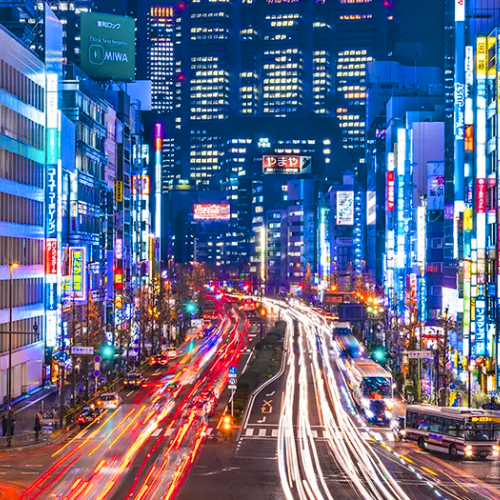
Tokyo is one of the most layered art cities I’ve ever explored. What makes it exceptional is not just the quality of its museums or galleries, but the way art quietly coexists with everyday life. From meticulously curated national collections to experimental contemporary spaces tucked between cafés and design stores, Tokyo rewards visitors who approach it with intention.
For travelers who want more than a surface-level experience, an art-focused travel itinerary is the best way to understand the city. Rather than rushing between landmarks, this approach allows you to engage with Japan’s artistic traditions, modern innovations, and evolving creative culture in a meaningful way.
This itinerary is designed for art lovers who value depth over excess. Whether it’s your first visit to Tokyo or a return trip, the goal is to experience art as Tokyo presents it—thoughtfully, precisely, and often unexpectedly.
Why Tokyo Is a Unique Destination for Art Lovers
Tokyo’s art scene stands apart because it does not exist in isolation. Art here is deeply connected to philosophy, craftsmanship, technology, and spatial awareness. Museums feel intentional rather than overwhelming, and galleries often prioritize concept and dialogue over spectacle.
Another defining feature is balance. Tokyo allows traditional and contemporary art to coexist without tension. In one day, it’s entirely possible to move from centuries-old scroll paintings to cutting-edge digital installations, each feeling equally relevant. This contrast is not accidental; it reflects Japan’s broader cultural relationship with continuity and reinvention.
For art-focused travelers, Tokyo offers clarity. Exhibitions are carefully designed, visitor flow is respected, and educational context is often provided in subtle but effective ways. This makes the city particularly rewarding for visitors who want to learn, reflect, and connect rather than simply consume.
How This Art-Focused Tokyo Itinerary Was Designed
When I design an art-focused itinerary for Tokyo, I prioritize rhythm and contrast. Tokyo is vast, and without structure, it can quickly feel overwhelming. This itinerary focuses on geographic efficiency while ensuring each day presents a balanced mix of art forms.
I’ve selected museums, galleries, and neighborhoods that complement one another. Large institutions are paired with quieter spaces, and contemporary experiences are grounded with historical context. This approach allows travelers to stay mentally engaged without feeling fatigued.
The itinerary also respects time. Instead of attempting to see everything, it highlights spaces that offer the strongest artistic return within limited hours. For art lovers, this method creates a richer and more memorable experience.
Day One Morning: Modern and Contemporary Art in Central Tokyo
I always recommend starting an art-focused Tokyo itinerary with modern and contemporary works. Beginning in central Tokyo provides a strong conceptual foundation and sets the tone for the days ahead.
Museums in this area often focus on post-war Japanese art, global contemporary movements, and experimental media. These collections reveal how Japanese artists have responded to rapid modernization, globalization, and technological change. Walking through these spaces helps visitors understand Tokyo not just as a city, but as a cultural mindset.
Morning visits are ideal because galleries are quieter, allowing for unhurried viewing. I encourage visitors to spend time reading wall texts and observing curatorial choices. In Tokyo, exhibition design is an art form in itself, and paying attention to layout, lighting, and pacing adds another layer of appreciation.
Day One Afternoon: National Museums and Cultural Institutions
The afternoon is best reserved for Tokyo’s national museums and cultural institutions. These spaces provide essential historical grounding and deepen understanding of Japanese artistic traditions.
Collections often include painting, sculpture, ceramics, calligraphy, and decorative arts. Rather than presenting objects as isolated masterpieces, these institutions emphasize context. Art is shown as part of religious practice, social structure, and everyday life, which is invaluable for travelers seeking cultural insight.
I recommend approaching these museums selectively. Focus on one or two sections that align with your interests rather than attempting to cover everything. This allows for deeper engagement and prevents information overload, especially on a multi-day itinerary.
Day One Evening: Art, Architecture, and Urban Design Walks
Evenings in Tokyo offer a different kind of art experience. After museums close, the city itself becomes the gallery. Architecture, urban design, and light installations reveal Tokyo’s creative identity in subtle but powerful ways.
Neighborhoods known for thoughtful architecture provide excellent opportunities for reflective walks. Buildings designed by renowned architects sit alongside everyday structures, creating visual conversations between form, function, and environment. I often find these walks just as impactful as formal exhibitions.
This part of the itinerary encourages observation rather than instruction. By slowing down and paying attention to spatial design, materials, and movement, travelers gain insight into how art influences daily life in Tokyo.
Day Two Morning: Traditional Japanese Art and Craft Spaces
The second day of an art-focused itinerary in Tokyo should begin with traditional Japanese art. This shift in focus provides historical grounding and helps visitors understand the cultural foundations that continue to influence contemporary creativity in Japan.
Museums and craft-focused spaces dedicated to classical painting, woodblock prints, ceramics, and textiles offer a slower, more contemplative experience. I often advise spending time with fewer objects rather than moving quickly through entire collections. Japanese art rewards patience, and subtle details often reveal themselves only after prolonged observation.
Craft-focused institutions are particularly valuable for art travelers. They highlight materials, techniques, and philosophies that have been passed down through generations. Experiencing these works in person deepens appreciation for precision, restraint, and intentional design, which are central to Japanese artistic traditions.
Day Two Afternoon: Cutting-Edge Galleries and Creative Districts
By the afternoon, it’s time to return to Tokyo’s contemporary pulse. Creative districts known for galleries, design studios, and concept spaces reveal how today’s artists interpret both global trends and local identity.
Commercial galleries in Tokyo are often highly curated and intellectually focused. Exhibitions tend to be concise but conceptually strong, making them ideal for short visits. I find that gallery staff are usually knowledgeable and open to conversation, which adds depth to the viewing experience.
This part of the itinerary also allows for discovery. Smaller galleries frequently host emerging artists whose work reflects Tokyo’s evolving cultural landscape. These spaces may not appear in traditional travel guides, but they often leave the strongest impressions on art-focused visitors.
Art Districts and Neighborhoods to Explore in Tokyo
Tokyo’s art scene is deeply connected to its neighborhoods. Each district carries its own creative identity, shaped by history, architecture, and community.
Some areas are known for institutional museums and large-scale exhibitions, while others thrive on independent galleries and experimental spaces. Exploring these neighborhoods on foot reveals how art integrates into daily life, from storefront exhibitions to design-focused cafés and bookstores.
I recommend dedicating time to simply wandering within one or two art-focused districts. This unstructured exploration often leads to unexpected discoveries, which is one of Tokyo’s greatest strengths as an art destination.
Museums vs Commercial Galleries: What to Prioritize
For travelers on a limited schedule, choosing between museums and commercial galleries can be challenging. Both offer valuable perspectives, but they serve different purposes.
Museums provide historical context, curatorial depth, and educational framing. They are essential for understanding the evolution of Japanese art and its global influence. Galleries, on the other hand, reflect the present moment. They showcase emerging voices, experimental practices, and current market dynamics.
I generally recommend prioritizing museums earlier in the itinerary and galleries later. This sequence allows visitors to build knowledge first, then engage more critically with contemporary works. The balance creates a more complete and rewarding art-focused experience.
Tips for Navigating Tokyo’s Art Scene Efficiently
Efficiency is key when navigating Tokyo’s vast cultural landscape. Planning routes in advance saves time and reduces fatigue. Tokyo’s public transportation system is excellent, but understanding station layouts and transfer points can make a significant difference.
I also suggest checking museum schedules and gallery opening days before planning visits. Many galleries close earlier than expected or operate on limited weekly schedules. Being aware of this prevents disappointment and keeps the itinerary flexible.
Finally, pacing matters. Allow time for rest, reflection, and spontaneous stops. Art appreciation is not about rushing, and Tokyo offers countless moments worth pausing for.
Best Time of Year for an Art-Focused Trip to Tokyo
Timing plays an important role in shaping an art-focused trip. Spring and autumn are particularly rewarding, offering comfortable weather and a full exhibition calendar. These seasons also coincide with major art events and museum programming.
Summer can be vibrant but demanding, especially for travelers spending long hours indoors and outdoors. Winter, while quieter, offers a more intimate experience. Museums are less crowded, and the city feels contemplative, which many art lovers find appealing.
Choosing the right season enhances not only comfort but also the overall emotional tone of the trip.
Final Thoughts on Planning an Art-Centered Tokyo Itinerary
Tokyo is a city that reveals itself gradually. An art-focused travel itinerary allows visitors to move beyond surface impressions and engage with the city’s creative core. What makes Tokyo exceptional is its ability to honor tradition while continuously reinventing itself.
A well-planned itinerary ensures that even a short visit feels meaningful. By balancing museums, galleries, neighborhoods, and moments of observation, travelers can experience Tokyo as artists and curators do—with intention, curiosity, and respect.
For anyone seeking a destination where art informs daily life rather than standing apart from it, Tokyo remains one of the most compelling choices in the world.